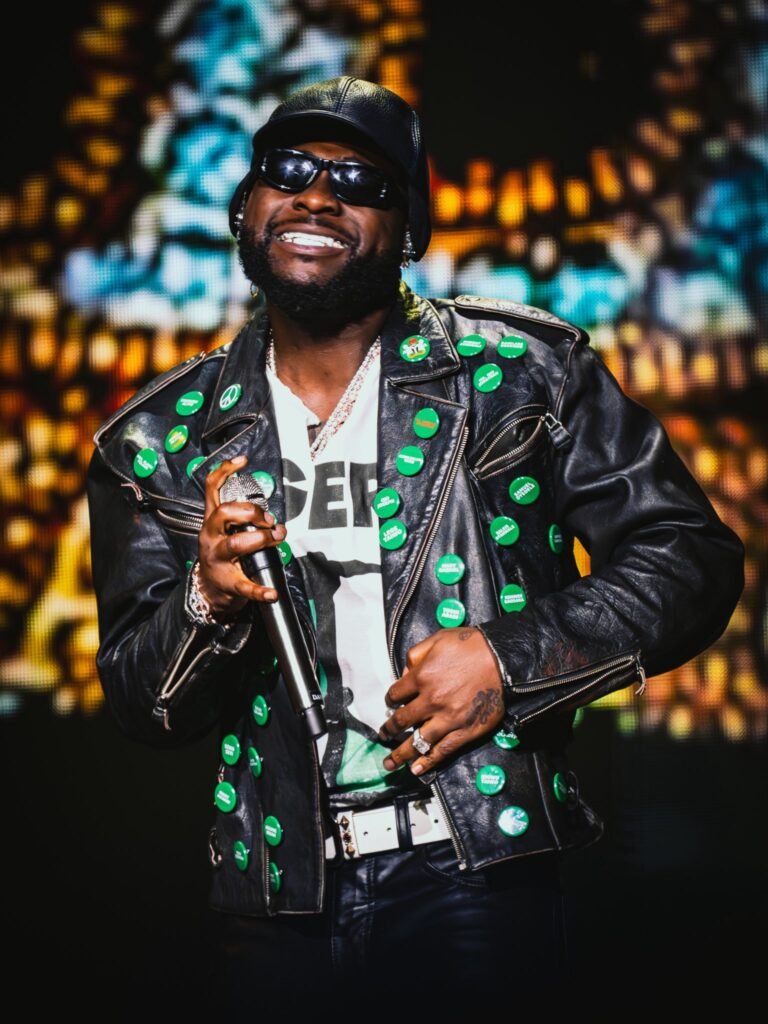
In today’s world, African music has taken a central place. There is hardly a global celebration where you won’t find African rhythm somewhere in the mix. Whether it’s a wedding in Toronto or a beach party in Bali, chances are an African song is setting the mood. The world has not just accepted African music; it has adopted it as the soundtrack of celebration itself.
This didn’t happen overnight; it is the result of decades of cultural exchange, technological disruption, migration, artistic innovation, and the fact that African music understands joy better than almost any other musical tradition, as celebration itself has always been central to African musical culture.
African sounds prioritize movement and encourage participation, turning listeners into dancers. The music has historically served purposes beyond entertainment; it accompanies weddings, births, religious festivals, harvests, rites of passage, and communal gatherings.
Diaspora Audiences’ Role in African Music’s Global Rise
There is no way we will talk about the global rise of African music and the effort of the African diaspora won’t be acknowledged. For years, African communities in London, New York, Paris, Toronto, Johannesburg, Amsterdam, and Dubai nurtured sounds that mainstream audiences had yet to discover. The diaspora audiences didn’t just listen to African music; they became its ambassadors.
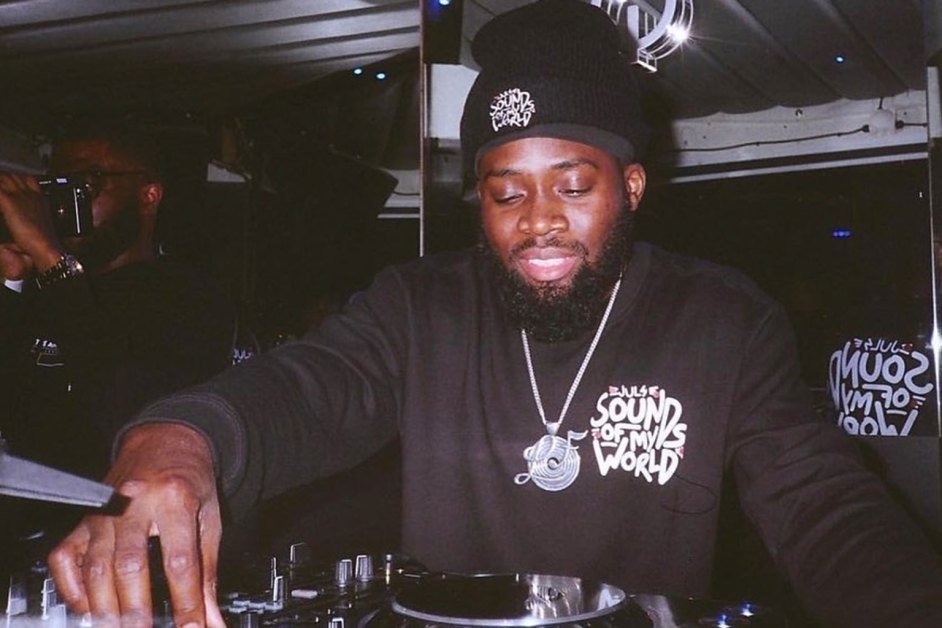
By the early 2010s, a generation of artists had started transforming the sound that was once considered regional music into a global cultural product. The term “Afrobeats” itself came largely through UK-based DJs and promoters seeking a marketable umbrella for contemporary West African sounds.
At the same time, African migration was changing cultural landscapes worldwide. African music reached new audiences not as an exotic import but as part of their everyday social environment.
These diaspora communities amplified African music abroad while global recognition increased prestige at home.
Streaming and Social Media Changed Things Drastically
If the diaspora built the bridge, streaming and social media platforms like TikTok turned it into a highway. For much of music history, global success depended on gatekeepers, but today audiences could easily discover music regardless of geographical location. Spotify data shows Afrobeats streams have grown by more than 500 percent since 2017, while the genre now generates billions of annual streams globally.
African music became borderless. Songs no longer needed Western radio approval to travel internationally as audiences discovered them organically through playlists, social sharing, and algorithmic recommendations. Streaming made African music accessible, and social media made it even more unavoidable.
African music dance challenges on TikTok encourage participation from different parts of the world, thereby making the sound global.
From Niche Genre to Global Pop Language
African music has become part of mainstream global pop culture. Artists such as Burna Boy, Wizkid, Tems, Davido, Tyla, Rema, and Amaarae are no longer viewed solely as African stars; they are global artists influencing the direction of contemporary music itself. Their sounds are shaping international production trends, with log drums from Amapiano appearing in songs that are not South African. Afrobeats-inspired percussion has also become common across pop, hip-hop, dance, and Latin music.
The influence extends beyond music. Fashion, dance, language, and lifestyle trends associated with African music are also shaping global youth culture. African artists now serve as cultural ambassadors whose impact reaches far beyond charts and streaming numbers. The world has gone from just listening to African music to adopting African cultural cues.
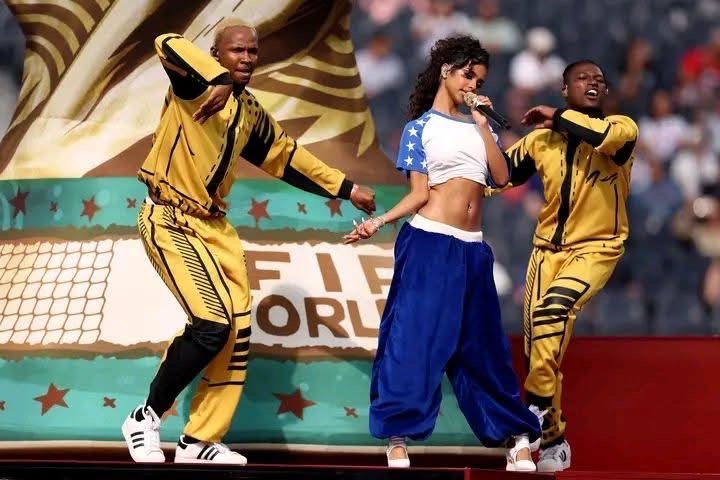
African stars are also performing at World Cup opening ceremonies. At the 2026 FIFA World Cup, the African artists that performed include Burna Boy, Rema, Tyla, Davido, and Ayra Starr. They all brought in their A-game during their performances. This shows that African sounds meet the moment when organizers seek music capable of uniting massive audiences across language and geography.
Why the World Need African Music
African music offers relief rather than reflection alone. The sound feels communal, uplifting, and physically engaging. It is the perfect sound during celebration. The most remarkable thing about the music’s global rise is not that it conquered charts. It is that it conquered moments.
People may forget what topped streaming rankings in a given year, but they rarely forget the songs that were played at weddings, birthdays, victories, festivals, road trips, and special nights. Most times, those songs come from Africa. Many people turn to African songs because they feel good, and in the world that we are now, feeling good is valuable.
Africa has not simply produced global hits; it has given the world a new soundtrack for happiness. Judging by the rhythms echoing from clubs, festivals, stadiums, and smartphones across the globe, the celebration is only just beginning.