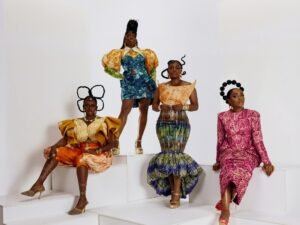
In every era, culture has needed infrastructure.
Not just stages, venues or distribution platforms, but institutions willing to invest in ideas before they become movements. The artists, designers, filmmakers and storytellers who shape society rarely emerge in isolation. Behind every cultural renaissance is a network of organisations that recognise potential early and choose to back it.
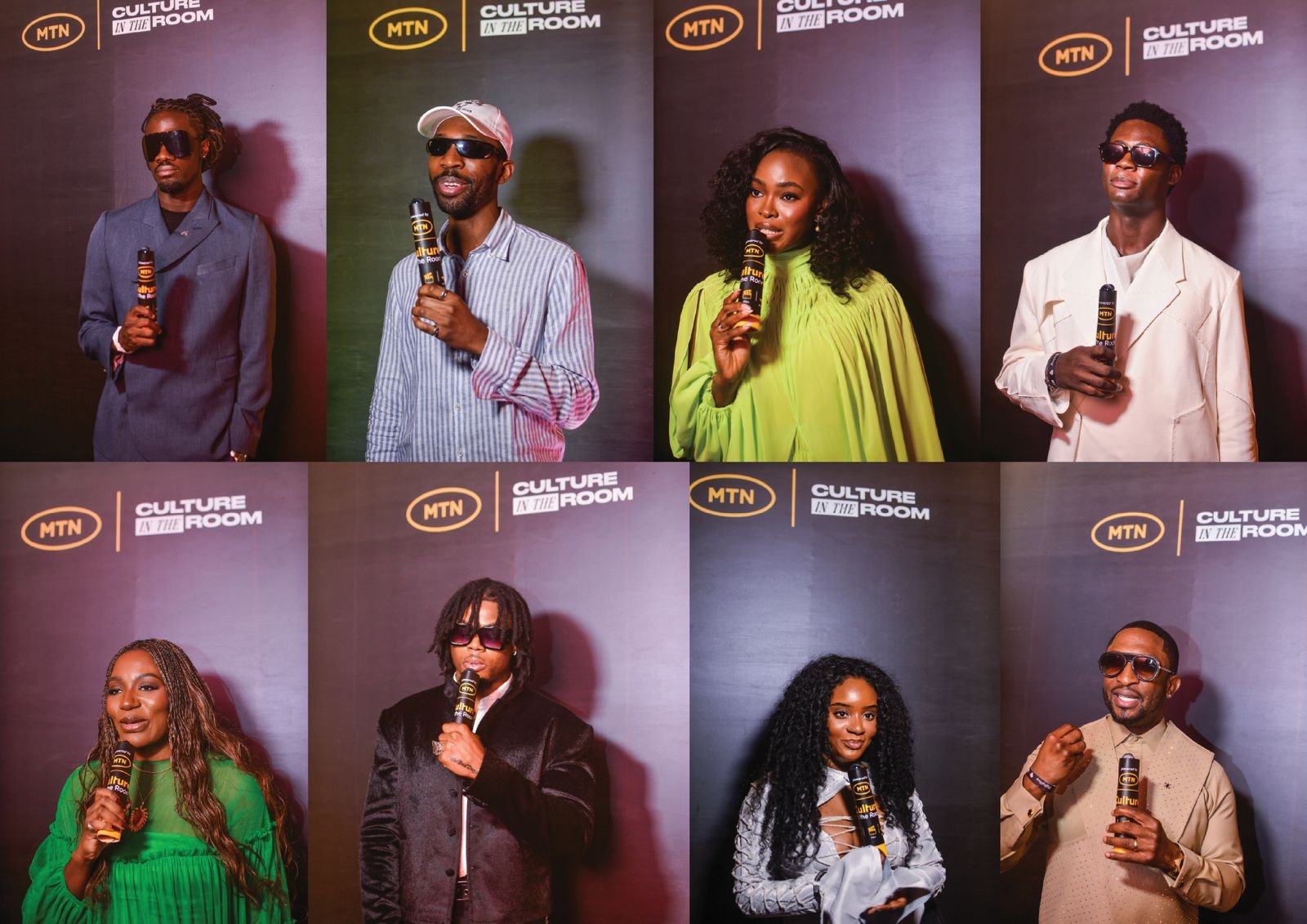
That is why MTN’s involvement in Culture in the Room, a cultural convening of the talent and ecosystem defining the future of West African Contemporary culture across Music, Film and Fashion, hosted in Lagos, Nigeria, feels particularly significant.
At first glance, MTN is a telecommunications company. A technology business connecting millions of Africans through networks, devices and digital services. But over the last two decades, MTN has increasingly positioned itself as something more consequential within the cultural landscape: a long-term enabler of African creativity.
Culture in the Room brings together some of the individuals shaping the future of African music, film, fashion and storytelling. The decision by MTN to support the platform reflects a broader pattern that has defined much of the company’s work across the continent—an understanding that technology and culture are no longer separate conversations.
Today, culture travels through technology.
Every song streamed, every fashion collection shared, every film trailer distributed, every viral moment, every new artist discovered, moves through the digital infrastructure companies like MTN have spent years building.
But MTN’s contribution has extended beyond simply providing connectivity.
The company has consistently invested in the ecosystems that allow culture to flourish.
Long before design became a mainstream conversation in Africa, MTN was among the corporate brands lending support to platforms such as Design Week Lagos, helping to create spaces where designers, architects and creative entrepreneurs could showcase their work and connect with wider audiences. Its support has contributed to the growth of one of the continent’s most important design gatherings and helped elevate conversations around African innovation, craftsmanship and creative enterprise.
The same philosophy can be seen in music.
Afrobeats may now be one of the world’s most influential cultural exports, but its success has been built on years of investment in talent development, visibility and opportunity. MTN has consistently participated in that journey through initiatives designed to discover, nurture and amplify emerging artists. Programmes such as Next Afrobeats Star create pathways for young musicians to move from obscurity into the national spotlight, providing not only exposure but also professional development opportunities that can transform careers.
More recently, the company has continued that commitment through talent-focused initiatives aimed at uncovering the next generation of Nigerian creative voices.
This investment extends beyond commercial music.
Through the MTN Foundation’s longstanding partnership with MUSON, hundreds of young musicians have gained access to formal music education and internationally recognised training. It is the kind of support that rarely generates headlines but plays a critical role in strengthening the foundations of an entire creative sector.
What makes these initiatives noteworthy is that they reveal a broader philosophy.
MTN’s cultural investments are not confined to a single industry. They span music, design, education, innovation and youth development. They recognise that Africa’s greatest resource is not merely its natural assets but its human creativity.
Across the continent, the average age is under 20. Africa is home to the youngest population in the world. Its future will be shaped not only by policy and infrastructure but by imagination—the ability of young Africans to create, tell stories, build brands, design products and export ideas to the rest of the world.
That is where culture becomes an economic force.
The global success of Afrobeats, the rise of African fashion, the increasing visibility of African filmmakers and the growing influence of African designers all point toward a future in which cultural industries become major drivers of economic growth.
Companies that understand this shift are not merely sponsoring events. They are investing in the future architecture of African influence and Culture in the Room exists at the intersection of those conversations.
It is a gathering designed to celebrate the individuals shaping contemporary African culture while creating space for the next generation of talent, ideas and collaborations. MTN’s presence within that room signals an understanding that culture is not a peripheral activity. It is central to how Africa will define itself in the decades ahead.
Because the future of Africa will not only be built by engineers, policymakers and entrepreneurs.
It will also be built by musicians, designers, filmmakers, photographers, writers and creators and increasingly, it will be built by the partnerships that allow those creators to dream bigger.
In that sense, MTN’s support of Culture in the Room is about more than an event.
It is another chapter in a longer story—one that reflects a belief that African talent deserves investment, African creativity deserves platforms, and African ambition deserves the infrastructure to reach the world.