
Have you experienced a moment when music starts playing and it sounds so familiar that you are already singing the lyrics, only for it to take another twist and you realise that it is not the original song you know but a reinvention of it? Sampling is not a new thing. Hip-hop was built on it.
Artists are reviving melodies, hooks, rhythms and ideas from earlier generations. Sometimes they directly sample classic recordings. Other times they recreate a familiar chorus, interpolate a well-known lyric or reimagine an older composition in a completely new genre.
For older listeners, it’s an instant trip down memory lane. For younger audiences, it’s simply another viral hit. Artists aren’t just borrowing sounds; they’re reconnecting generations, preserving musical history and introducing younger audiences to pioneers they may never have discovered otherwise.
It is tempting to dismiss the trend as evidence that artists have run out of ideas. Social media fuels that argument. Every time a new song echoes an old classic, there are comments like “Nothing is original anymore.” “The old version was better.” “Why can’t artists create something new?
However, it might just be quite the opposite. It is a sign that African music has become confident enough to embrace its own history instead of constantly chasing foreign influences.
The Difference Between Sampling, Interpolation and Inspiration
Sampling is often confused with interpolation, but they are not the same. A sample uses part of an existing sound recording—whether it’s a vocal line, drum break, guitar riff or instrumental passage—inside a new song. Because it incorporates the original recording itself, it generally requires permission from both the owner of the master recording and the copyright holder of the composition.
A very good example of sampling is Rema’s hit track “Baby (Is It a Crime)”. The 2025 song directly lifts the instantly recognisable chorus “Is it a crime?” and the vintage vocal recording of singer Sade Adu from her 1985 classic “Is It a Crime”.
An interpolation, by contrast, recreates an existing melody, lyric or musical phrase without directly copying the original recording. Artists perform or replay the material themselves while still acknowledging the original composition.
A perfect example is Tem’s 2024 Grammy-winning song “Love Me Jeje”, which features an interpolation of a 1997 song of the same name by Seyi Sodimu.
Instead of directly using the original audio, Tems re-recorded the melody and lyrics to fit a modern Afrobeats rhythm.
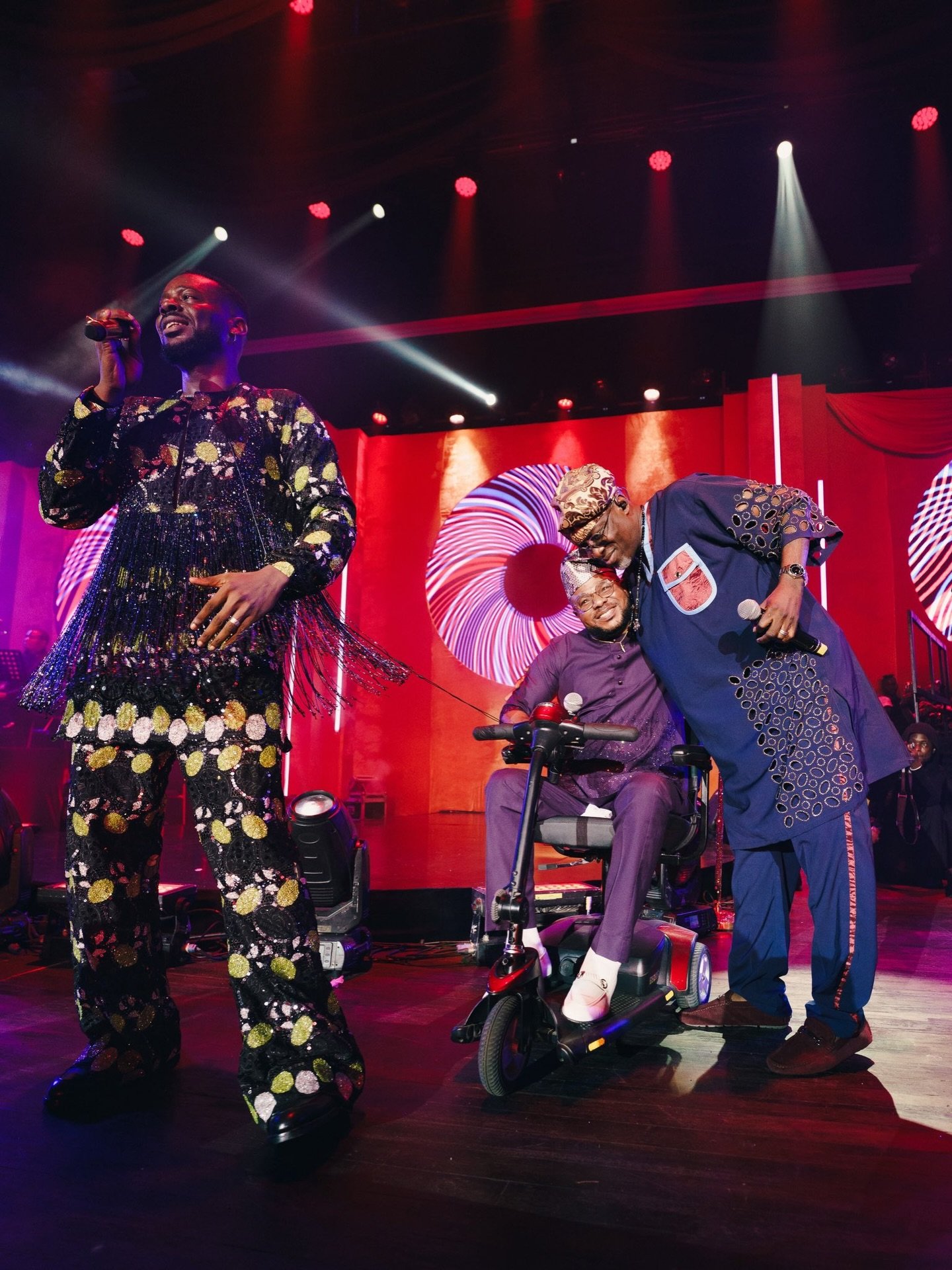
Another example is Adekunle Gold’s 2025 single “Many People”; a lot of people think it’s sampling, but it’s actually an interpolation. Instead of lifting the “many people” audio from Yinka Ayefele’s 2003 hit “Mi o Mo J’Orin Lo”, Adekunle Gold went to Ayefele directly to sing the chorus again.
Adekunle Gold also featured Fuji singer Adewale Ayuba, as the original “many people” line could be traced to his 1995 album Fuji Musik.
Instead of replacing older music, contemporary reinterpretations revive it. For veteran musicians whose catalogues predate the streaming era, that renewed attention can be transformative not only culturally but also financially.
Then there are songs that simply draw inspiration from older musical styles without borrowing a recognisable part at all. A producer might recreate the feel of classic highlife guitars or the rhythmic pulse of Congolese rumba without lifting any specific material from an earlier record.
The distinction matters not only legally but also culturally.
Much of what listeners casually describe as “sampling” is often interpolation or reinterpretation. In African music, where oral traditions and musical exchange have long shaped artistic practice, the line between homage and innovation can be especially fluid.
Rather than viewing the past as something fixed, many African musicians treat it as a living archive.
Producers Dig Through Africa’s Musical Archive

Spend time with today’s leading African producers and you will find out that many are as much music historians as they are beatmakers. Behind chart-topping records is an often-overlooked process of musical research.
Instead of relying solely on newly created melodies, producers spend hours listening to old records. They search for forgotten guitar phrases, vocal harmonies, percussion patterns and chord progressions that can be reimagined for contemporary audiences.
Many South African Amapiano producers openly acknowledge the influence of kwaito, jazz and house pioneers on their work. The same is true in Ghana, where highlife continues to shape modern Afropop, and in East Africa, where echoes of classic Bongo Flava and taarab remain woven into contemporary productions.
Originality, Ownership and the Price of Nostalgia
Inspiration is free. Sampling is not. While listeners often use the word ‘sampling’ loosely, the music business treats it with far greater precision.
A producer can be inspired by the groove of a classic highlife record without any legal implications. But using a recognisable portion of an existing sound recording or reproducing a protected melody or lyric typically requires permission from the copyright holders. That process can be complex.
In most cases, artists must negotiate with both the owners of the master recording and the owners of the underlying musical composition. Those negotiations determine how royalties are shared and whether the new work can be commercially released.
As African music has become global, these legal considerations have grown more significant. A song that trends on TikTok in Lagos can quickly find audiences in London and even Los Angeles, placing it within a global copyright system where rights management is closely monitored.
For young artists, referencing a classic can create an immediate emotional connection with audiences while simultaneously honouring the musicians who came before them.
The Original Song Wins Too
One of the most remarkable outcomes of modern reinterpretation is what happens after the song becomes popular. Listeners start searching.
Streaming platforms make that process effortless. Within seconds, audiences can trace a melody back to its source, often discovering artists they have never encountered before.
A twenty-year-old listener who falls in love with a contemporary Afrobeats track may suddenly find themselves exploring the catalogue of a highlife legend from the 1970s or a Congolese rumba pioneer from the 1980s.
For veteran musicians, this renewed attention can have tangible benefit. Their songs find new audiences, and their contributions to African music receive fresh recognition.
In an era where catalogues have become valuable commercial assets, sampling and interpolation can breathe new life into recordings that risk fading from public consciousness.
Sampling is More Than a Creative Device
African artists are operating at a moment when the continent’s music has unprecedented international influence.
They are no longer under pressure to imitate dominant Western genres in order to be heard. Instead, they are drawing from local traditions, regional rhythms and musical histories that once received little global attention.
That is not creative exhaustion; it is cultural confidence. Our artists are reminding audiences that Africa has always possessed a deep, diverse musical archive worthy of celebration.
It’s not a continent running out of ideas. It’s a continent finally realising that some of its greatest inspiration has been there all along.
Sampling has become an engine of cultural memory. When done responsibly with proper credit and licensing, it doesn’t erase history. It extends it.