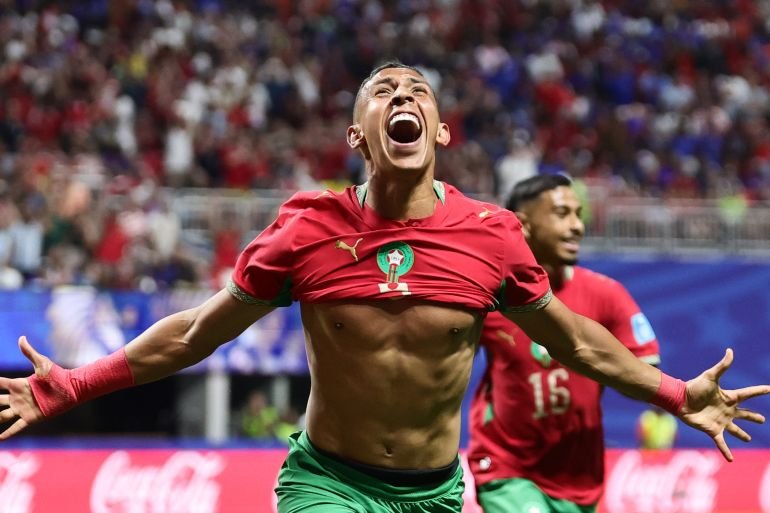
The 2026 FIFA World Cup was always going to rewrite football history. For the first time, 48 nations arrived on the world’s biggest sports stage, and three countries, the United States, Canada and Mexico, shared hosting duties.
Also for the first time, Africa entered the tournament with 10 representatives, an opportunity many believed could change the continent’s standing in global football. Now, as the group stage nears its end, African teams are delivering on that promise.
Seven African nations have already secured places in the Round of 32, ensuring that the continent will have a significant presence in the knockout phase.
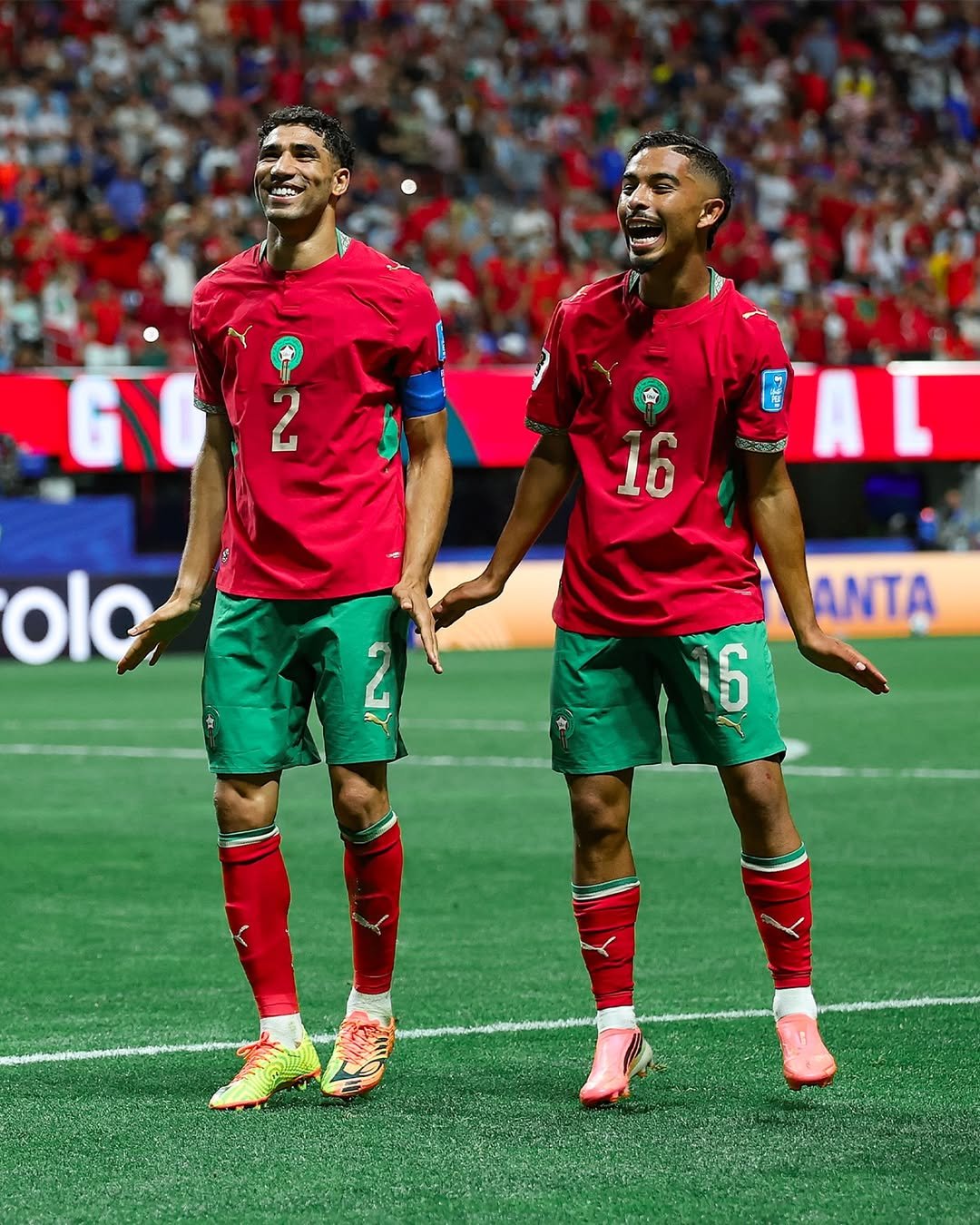
Morocco, South Africa, Côte d’Ivoire, Ghana, Egypt, Senegal and Cabo Verde have all booked their places in the next round, while Algeria and DR Congo still have opportunities to join them depending on the outcome of their final group matches.
Tunisia, however, became the tournament’s first African team to be eliminated after losing to Sweden and Japan in their first two fixtures.
Ever since Morocco became the first African nation to reach the FIFA World Cup semi-final in Qatar four years ago, the country has entered every major tournament carrying enormous expectations.
The Atlas Lions finished as runners-up in their group, securing a round of 32 meeting with the Netherlands in Monterrey on June 29.
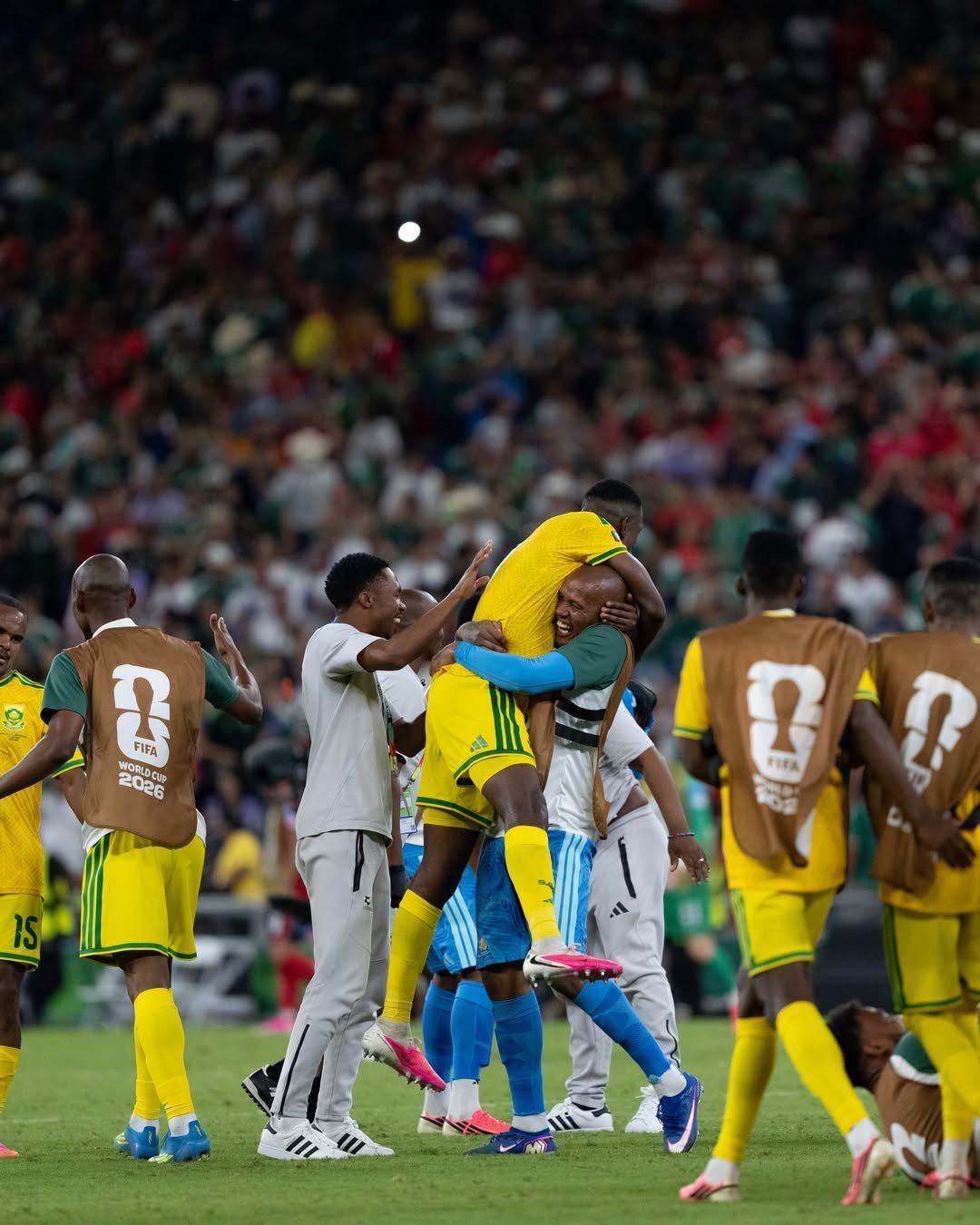
South Africa too reached the knockout stage after finishing as runners-up in Group A, setting up a meeting with Canada in Los Angeles on June 28. It marks one of South Africa’s finest World Cup performances since hosting the tournament in 2010.
Côte d’Ivoire is also showing why a lot of people consider them one of Africa’s deepest squads. The Elephants advanced as group runners-up and will face Norway in Dallas on June 30.
Egypt made it to the knockout stage for the first time after finishing as runners-up in Group G and now face Australia in Dallas on July 3.
It’s Cabo Verde’s FIFA World Cup debut, and the Blue Sharks have become one of the tournament’s biggest surprises by advancing to the Round of 32.
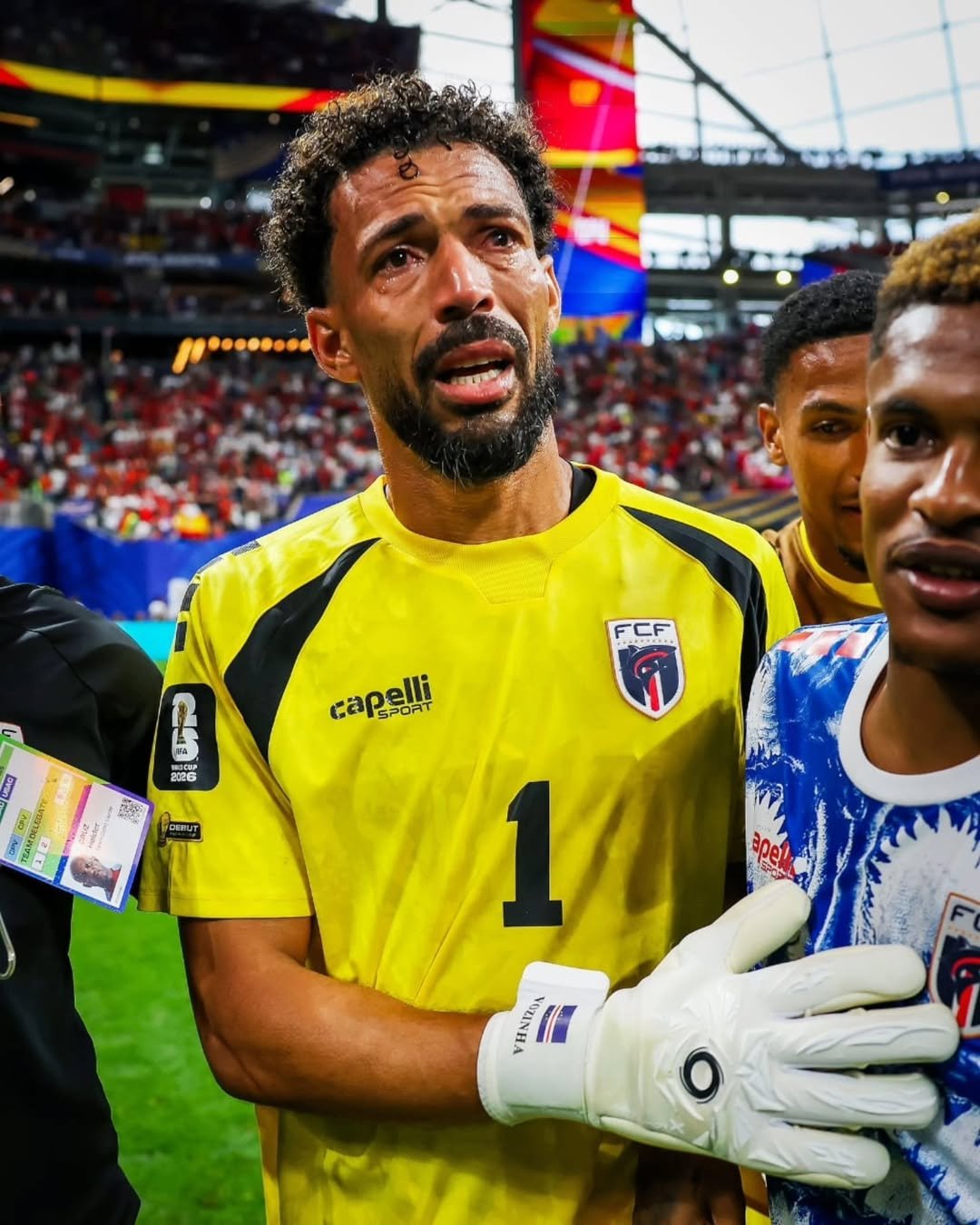
Their reward is the toughest challenge imaginable, as they will be playing against defending champions Argentina in Miami.
Regardless of what happens next, Cabo Verde has already written one of African football’s greatest World Cup chapters, becoming the smallest nation ever to reach the knockout stage on their tournament debut.
Senegal progressed as one of the tournament’s best third-placed teams, proving why tournament football is often about resilience as much as brilliance.
The Lions of Teranga have repeatedly shown an ability to deliver when margins are smallest, keeping Africa’s hopes alive despite an inconsistent group-stage campaign.
Ghana have also reminded the football world why they remain one of Africa’s most resilient tournament teams. Already assured of a place in the Round of 32, the Black Stars still have an opportunity to top Group L depending on the outcome of their final match against Croatia and England’s result against Panama.
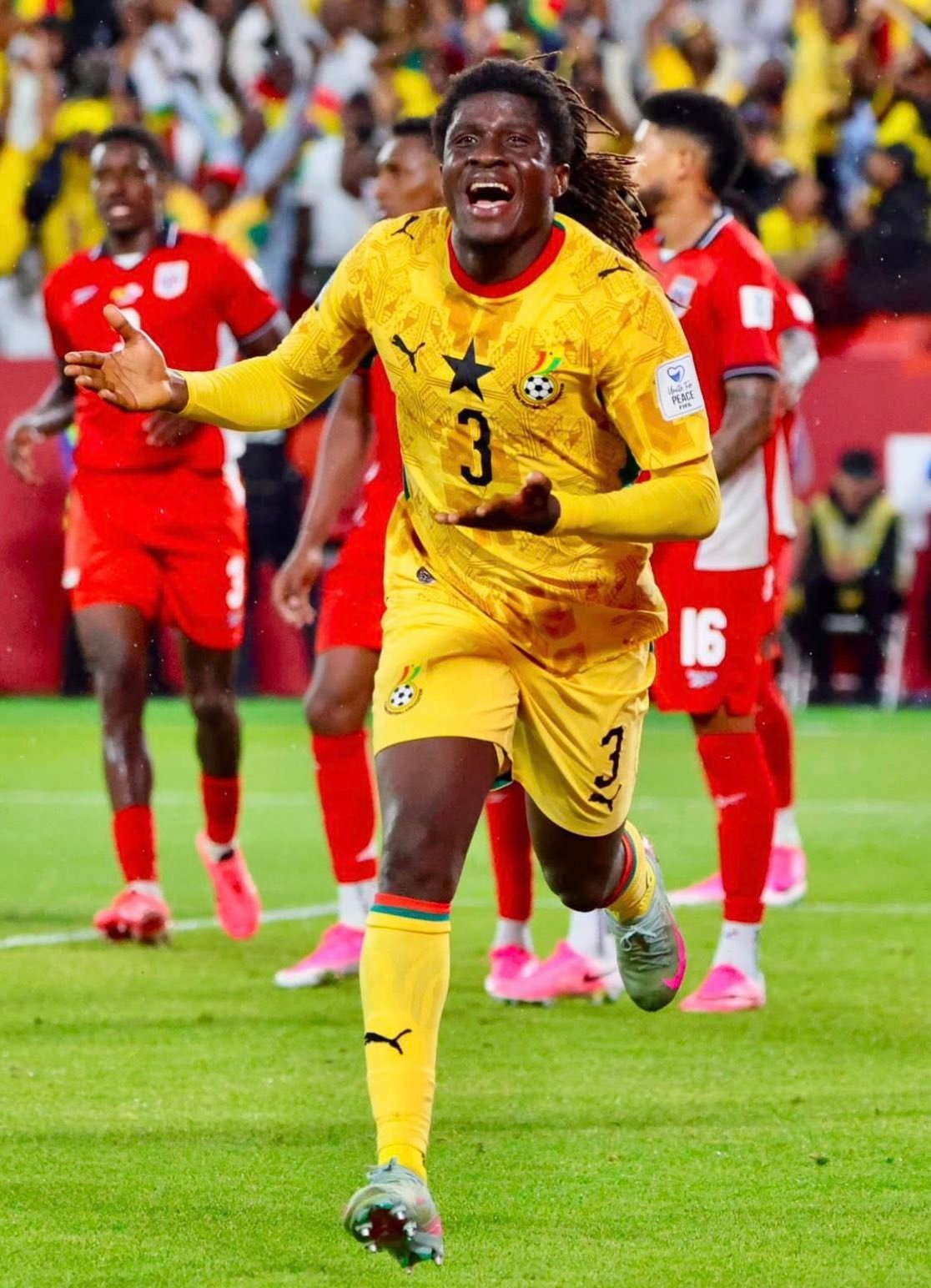
Winning the group would hand Ghana a potentially more favourable knockout path. Finishing second would still be another impressive achievement for a side many had underestimated before the tournament began.
Africa’s representation in the Round of 32 can still increase.
Algeria remain in contention and can qualify with victory over Austria in their final Group J fixture.
DR Congo also has the hope of progressing but requires a favourable combination of results, including victory over Uzbekistan and help elsewhere, to reach the knockout stage.
Their fate and Africa’s final representation in the Round of 32 will be decided once the remaining group matches conclude.