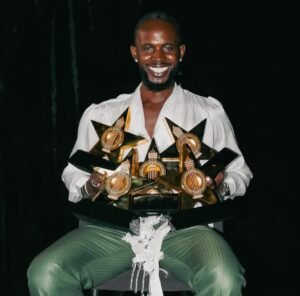
There was a time when becoming an international electronic artist could mean learning how to sound universal. For a generation of DJs and producers, that meant stripping their music off the things that made it geographically specific.
The goal was to create something that could move seamlessly from one dancefloor to another, regardless of where the listener was standing. But the global electronic landscape is changing.
The artists commanding attention across international clubs, festivals, and streaming platforms are not 100 percent those trying to sound like everyone else. They are the ones with something specific to say about where they come from and what shaped their understanding of music.
South Africa, in particular, has developed one of the world’s most influential electronic music cultures, producing successive waves of sounds that have traveled far beyond their original environments.
Behind this is a generation of artists who understand that their strongest connection with international audiences is remaining themselves.
Black Coffee’s career offers perhaps the most visible example. His blend of house music with South African influences eventually took him from local dancefloors to the world’s biggest stages, culminating in his 2022 Grammy win for “Subconsciously”, making him the first South African artist to win Best Dance/Electronic Album.
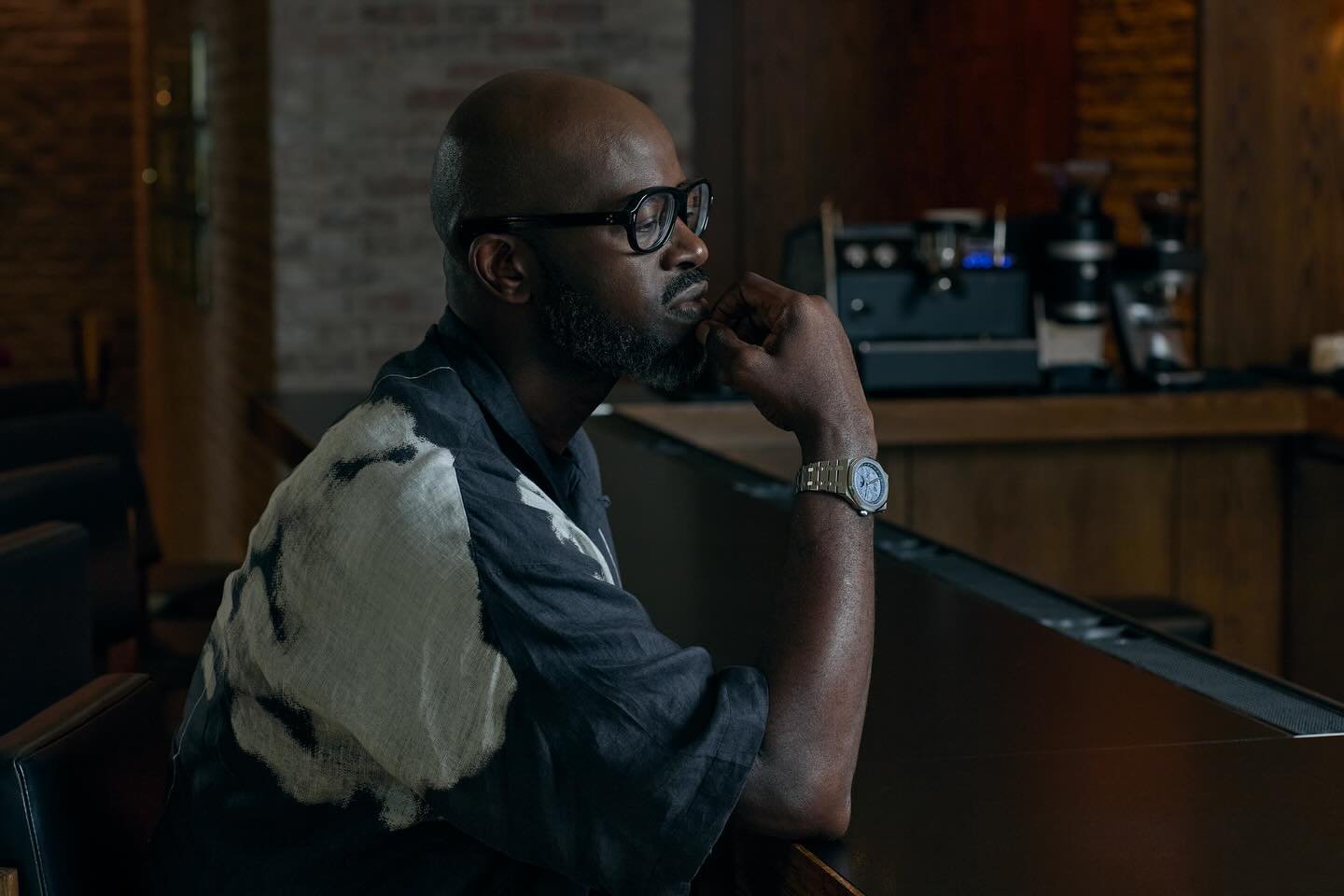
The significance of his success wasn’t simply that an African DJ had reached the highest levels of global electronic music. It was that he had done so with authenticity. He didn’t abandon the identity that made his music distinctive in the first place.
That idea runs through other artists like Bun Xapa, Kyle Watson, and Malawian artist, Chmba. Rolling Stone Africa was able to get their thoughts on how their background, heritage, and cultural influences have shaped their creative journey and how staying authentic to that identity has helped them build meaningful connections with audiences.
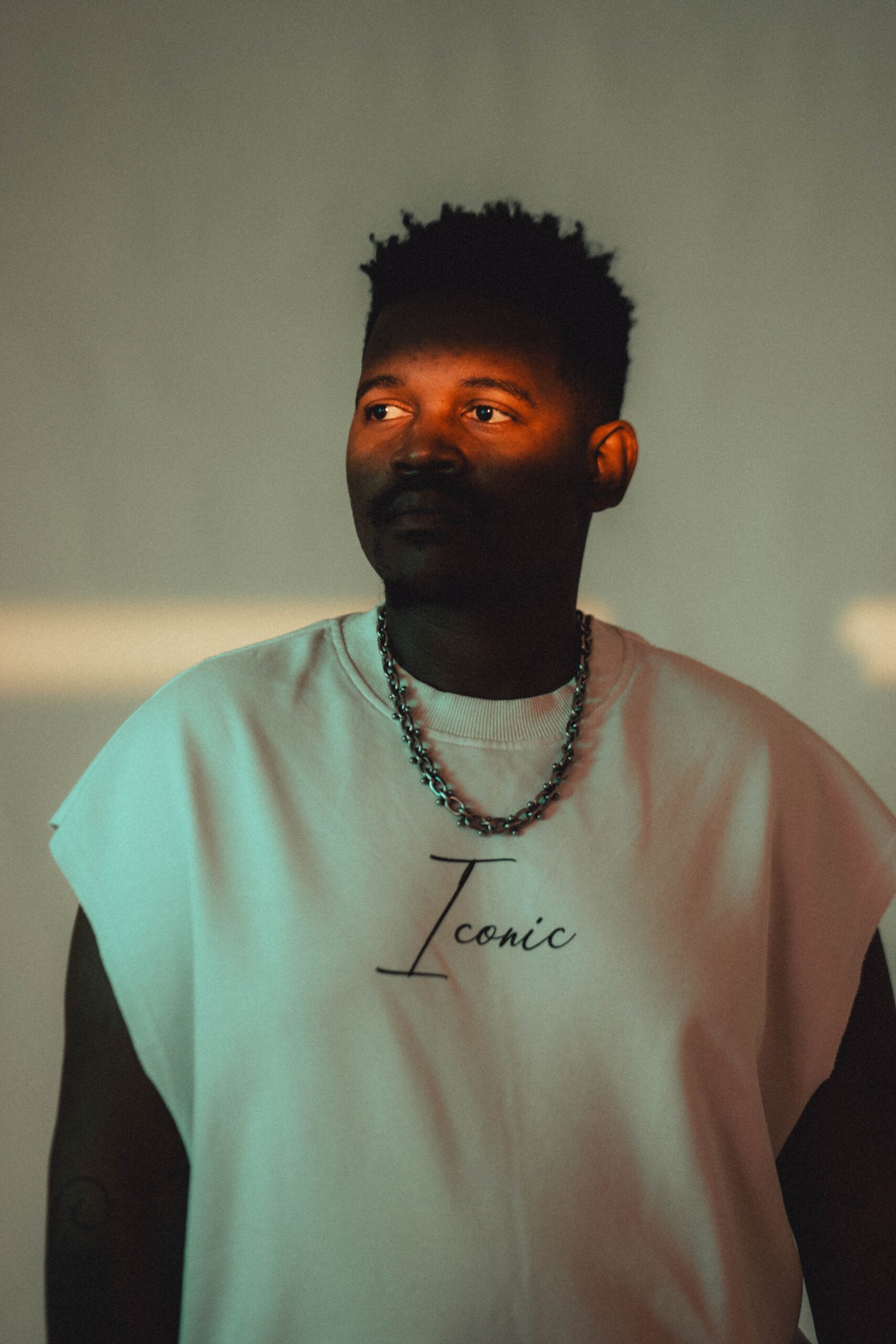
Bun Xapa: “The culture of where I come from will always exist in my music”
For Bun Xapa, authenticity begins with a place. Born in Thaba Nchu, the DJ and producer began making music in 2015, initially creating hip-hop beats before moving into house music. His current sound draws from Afro, deep, and tech house, placing him within the expanding global Afro-house movement.
His international trajectory has included support from major figures across dance music, but the growing reach of his music has not made him less connected to his origins. If anything, it has made that connection stronger.
“Authenticity, for me, means creating from a place that is honest. I was born in Thaba Nchu, South Africa, and the culture of where I come from will always exist in my music. Even as my sound grows and travels, I never want to lose the identity that made me an artist in the first place,” Bun Xapa said.
For him, the relationship between authenticity and international appeal is not theoretical. It is something he has experienced firsthand.
Bun Xapa stated: “My journey has taught me that you do not have to change who you are to connect with the world. The more I embraced my own background, the more people from different countries began connecting with me and my sound. They may not always understand the language or the culture immediately, but they understand the feeling.”
That distinction between understanding the culture and understanding the feeling is central to electronic music’s global appeal.
Unlike lyric-heavy genres, electronic music can communicate across language barriers through rhythm, atmosphere, repetition, and physical experience. But the absence of lyrics does not mean the absence of identity.
A bassline can carry a sense of place, and rhythm can carry history. For artists like Xapa, that specificity becomes part of the reason listeners connect.
“I believe audiences can sense when something is real. People are increasingly drawn to artists who have their own identity rather than those who are trying to recreate what is already popular. When you remain true to yourself, you give listeners something they cannot get from anybody else,” he said.
According to Bun Xapa, building a global audience has never meant leaving his heritage behind.
“It means taking a part of where I come from into every room, festival, and country in which I perform. My goal is not to make my identity more international; it is to show that something deeply rooted and local can still speak to people everywhere,” he added.
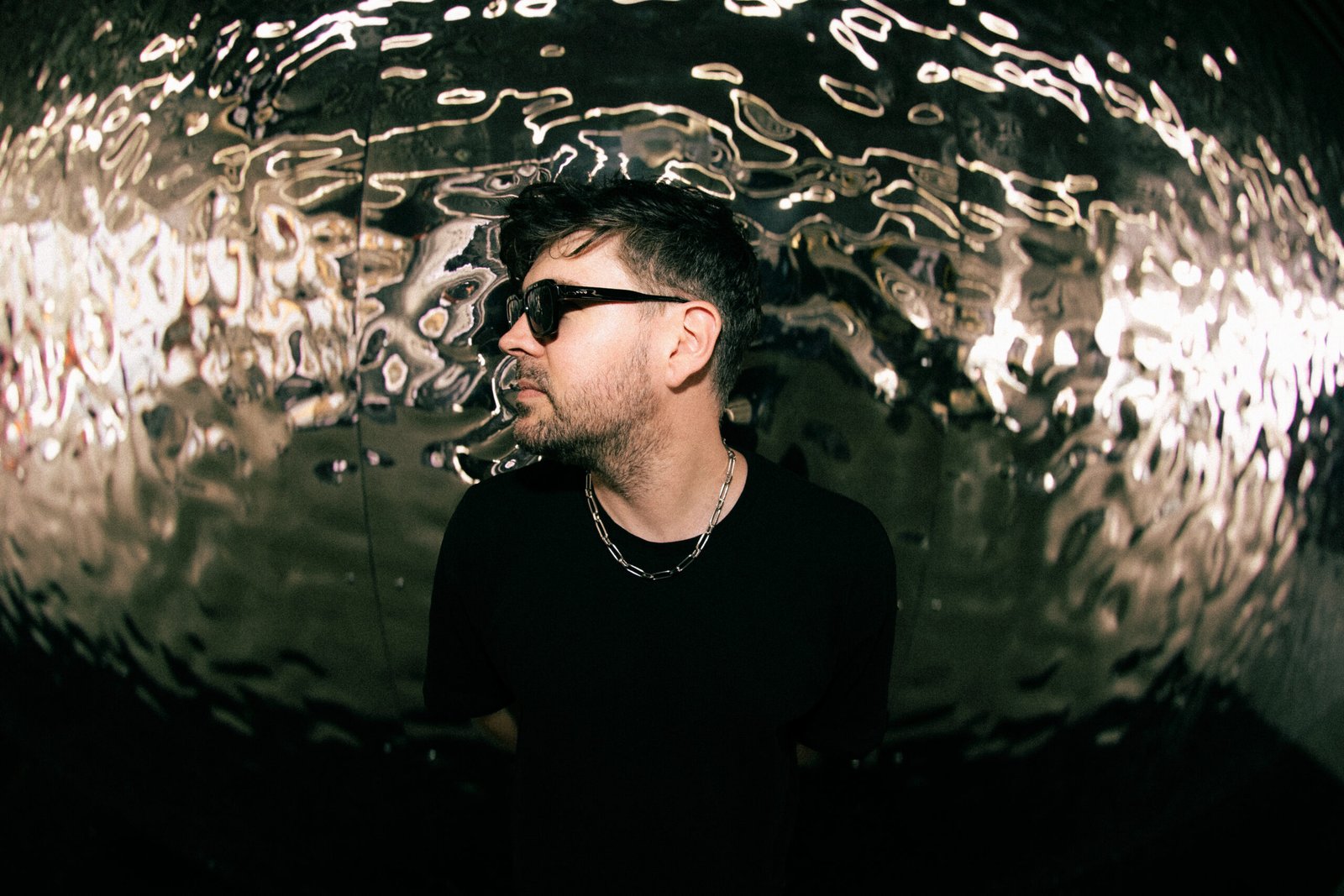
Kyle Watson: “I’d rather build something smaller and real than something bigger and invented”
Kyle Watson’s story is slightly different. The South African DJ, producer, and label head has developed a sound built around deep basslines, percussion, and detailed electronic production, with early records such as “Watermelons,” “Moments,” and “Don’t Talk” helping him break beyond the South African scene and connect with audiences in the United States and South America.
His career demonstrates that cultural identity doesn’t always have to appear in obvious musical references. Sometimes it exists in the relationship between an artist and the people who first believed in them.
Watson’s first audience was South African, and he remembers that.
“I started this journey in South Africa, and that’s where my first real fans were. I grew up alongside them—they shaped my sound before I even knew what my sound was, and they fed the fire that got me here. I don’t take that for granted, and it’s never left me, no matter where the music’s taken me since,” he said.
This has shaped the way Watson thinks about authenticity. For him, the idea isn’t simply about making music that sounds culturally specific. It is also about allowing audiences to see the person behind the music.
“To me, authenticity means the version of you that people see is the same one making the music. I stopped chasing a perfect rollout with this album and started showing the actual process instead—the reworks, the doubts, the challenges. Less curating a version of myself for people to consume, more just letting them see how the art gets made,” the music producer said.
Electronic music has traditionally been associated with anonymity and mystique. But today’s audience wants access to the process as well as the product. Watson believes that honesty is what sustains that relationship.
“Consistency isn’t the only thing that keeps people around—honesty is. My first fans in South Africa grew with me from the very start, before there was any image to maintain, and that taught me the relationship always mattered. I’d rather build something smaller and real than something bigger and invented. A crowd that knows you is worth more than one that just knows the act,” he said.
His point speaks to something much more than electronic music. In an era of highly controlled artist images, audiences have become sophisticated at recognizing the difference between something lived and something manufactured.
For Watson, the answer is not to manufacture relatability. It is to stop manufacturing altogether.
He said: “People can always tell the difference between something real and something polished. With my new album, I wasn’t trying to write something relatable—I was trying to write something true, and hopefully those end up being the same thing. This whole process has been about less performance and more actual contact with the people listening.”
Chmba: “My culture isn’t something I reference. It’s the Foundation I Create From”
The story becomes even more expansive when it moves beyond South Africa’s borders.
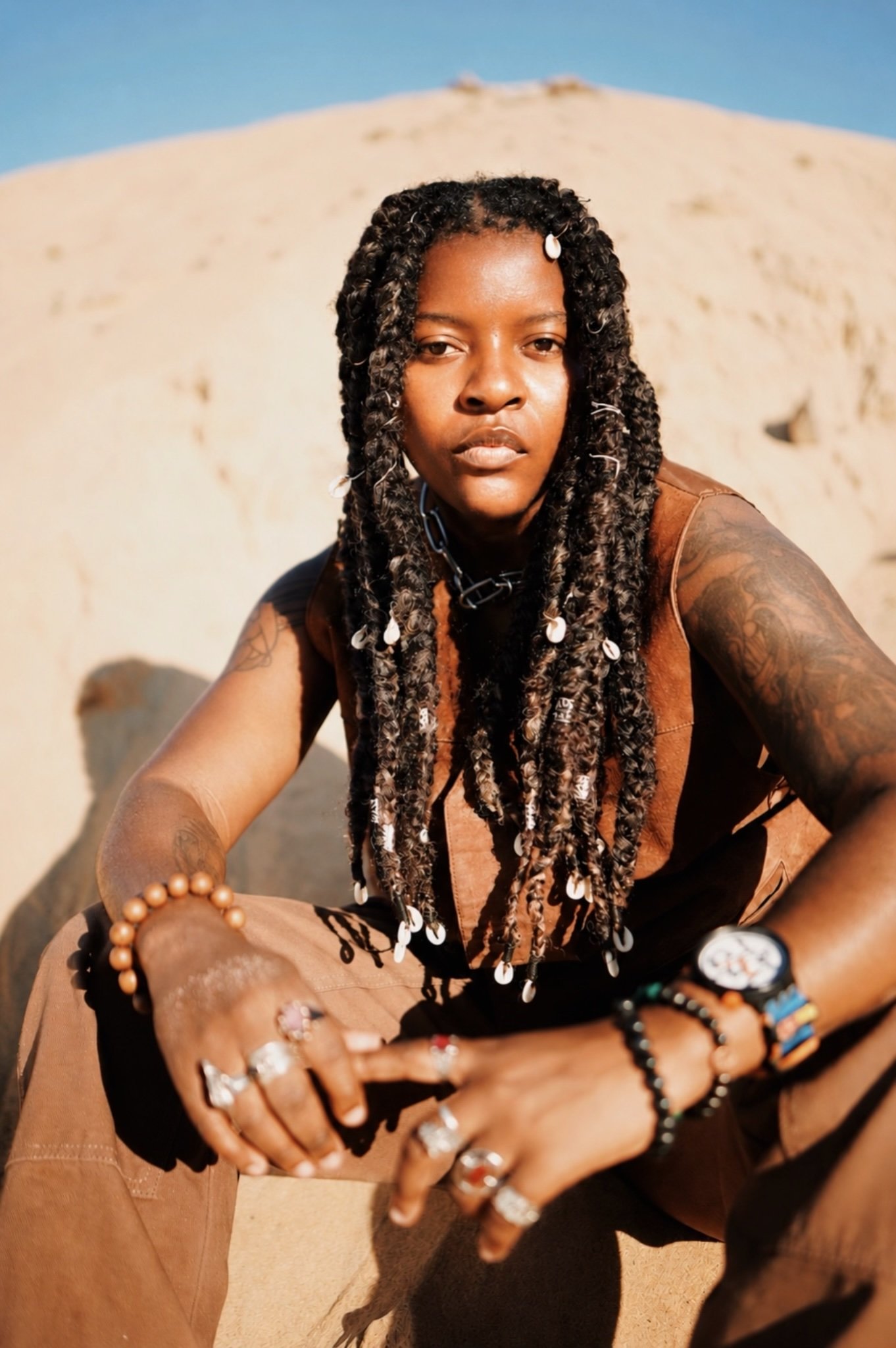
Chmba is a multidisciplinary artist from Malawi whose work as a singer-songwriter, producer, and DJ brings together pan-African musicality, Afro-rooted rhythms, future-facing beats, and groove-led house.
Her musical journey began at seven, and her career has since taken her to international spaces, including Sweden’s Avicii Arena and Amsterdam Dance Event. She has also opened for artists including Angélique Kidjo, Nile Rodgers, Zakes Bantwini, and Laura Mvula, while her work has received recognition from platforms including DJ Mag, BBC Radio, and Apple Music’s ISGUBHU.
Her perspective is significant because she challenges the idea that African electronic music needs to be defined by a single national or regional sound. For Chmba, the music is simultaneously futuristic and ancestral.
“Most imagine the Afro-electronic music I make as something of the future, but for me it is also a way of carrying my memories, our tradition, and identity into the new spaces I encounter. Malawi isn’t simply where I was born. It’s shaped the sound of my childhood; it is how I hear rhythm and move to it and now how I approach creating music,” Chmba said.
That idea of memory is important. Electronic music is often imagined as futuristic and a sound that appears to have no connection to the past. But for Chmba, it provides another way of carrying history forward.
The future doesn’t have to mean abandoning the past. It can mean finding new ways to express it.
“I’ve never seen my culture as something that limits me. I find it rather as a foundation, my core, my family, my roots springing out to take surface. Making music and being part of my community have always gone hand in hand for me. They both come from the same place of wanting to serve and add to my community, wanting people to serve, feel seen, and be connected. My culture isn’t something I reference. It’s the foundation I create from,” the singer shared.
Perhaps this is where African electronic music becomes particularly compelling to international listeners. The music isn’t simply adding African sounds to an existing electronic template. In its strongest forms, it begins from a different cultural understanding of rhythm, community, movement, and identity.
Why Authenticity Matters
The most successful artists aren’t necessarily those who design their music for the global market from the beginning. They are the artists who allow the local process to happen first.
This doesn’t mean that African electronic artists are looking backwards. In fact, they are doing the opposite. They are taking inherited influences and pushing them into unfamiliar spaces.
That is why authenticity should not be confused with nostalgia. Being rooted doesn’t mean refusing to evolve. It is knowing what you’re evolving from.
In a digital environment where artists can access the same production tools, visual references and marketing strategies from almost anywhere, authenticity matters.
Software can be shared and a marketing strategy can be copied, but nobody else has your childhood. Nobody else heard music through exactly the same combination of family, community, radio, clubs, church, street sounds, and personal experience.
Those things cannot be replicated. When an artist builds from them honestly, listeners can hear the difference. That may be the real power behind South Africa’s electronic music moment.
Not that the artists have figured out how to make African music sound global. They have demonstrated that music can become global without ceasing to be specific.
The world is not really looking for another artist who sounds like everyone else. It is looking for something it hasn’t heard before, and sometimes, the most universal thing an artist can do is tell the truth about where they come from.