Collaboration has become one of the most visible forces driving African music forward. Artists from different countries are working together more than ever before. African musicians now meet international artists as creative equals rather than simply appearing as guests on Western records.
Today, creative processes have become borderless. African artists can move between Afrobeats, R&B, Amapiano, dancehall, house, hip-hop and electronic music without treating genre boundaries as fixed. Streaming platforms, social media and direct communication made this easy.
Thanks to digital platforms, artists easily discover one another, share records and collaborate without necessarily needing to be in the same country. The growth of African music’s international audience also created new incentives for artists to look beyond their immediate markets.
Spotify reported that music consumption in Sub-Saharan Africa grew significantly in 2024. At the same time, African genres themselves have become influential in global pop. Amapiano, for example, saw its Spotify streams increase by more than 5,000 per cent between 2018 and 2023, with the United States, United Kingdom and Germany among its biggest markets outside South Africa.
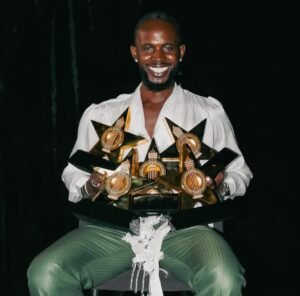
As the audience has expanded, so has the opportunity for artists to meet each other, and those meetings are happening across African borders first. A recent example is Nigerian Afrobeats star Davido’s collaboration with African artists outside Nigeria’s border in his new album, Oriade. The singer featured Ghanaian rapper Black Sherif, French-Malian singer Aya Nakamura, and South Africa’s JAZZWRLD & GL_Ceejay.
Collaborations like this allow different musical languages and genres to collide, bringing new sounds to life. This is very obvious in Amapiano. The South African genre has continually changed as artists from different musical cultures interact with it.
Nigerian Afrobeats artists have incorporated its log drums and rhythmic patterns, while international pop, R&B and dance artists have also borrowed elements of its production language.
There are changes in the way African artists participate in global collaborations too. Before, a Western artist would release a song and invite an African musician onto it, with the African contribution functioning as a marker of flavour, rhythm or cultural credibility.
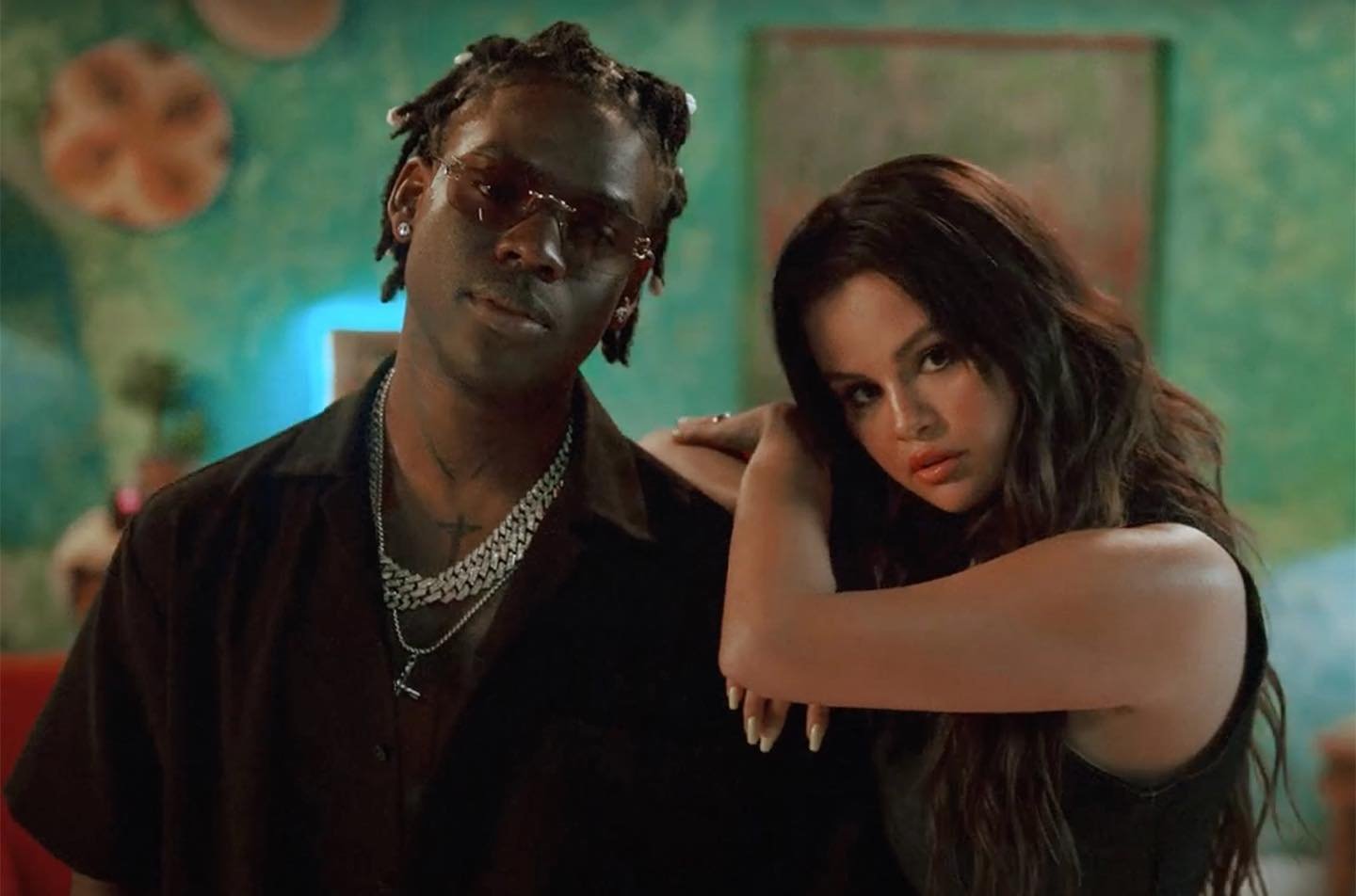
But African artists are now frequently the primary artists around whom global collaborations are built. The trajectory from Wizkid’s appearance on Drake’s “One Dance” to Rema’s “Calm Down” remix with Selena Gomez illustrates the scale of that change. “One Dance” reached No. 1 on the Billboard Hot 100 and became one of the defining global records of 2016, while “Calm Down” became the first song led by an African artist to surpass one billion Spotify streams.
Those records mattered because African artists were not simply being introduced to a global audience. The global audience was being introduced to the African artist’s world. The Rema and Selena Gomez collaboration is particularly instructive because it demonstrates how collaboration can create an audience bridge that neither artist possesses alone.
Rema already had a significant Nigerian and African audience. Gomez brought an enormous international pop audience. The remix allowed those audiences to overlap. But the record did not require Rema to abandon the identity established by the original. Instead, Gomez entered his world.
Collaboration also brings about cultural exchange. When a Ghanaian artist works with a Nigerian, they bring different histories of pop music into the room. A South African producer’s collaboration with a Nigerian singer can also produce a different rhythm. These meetings can create music that doesn’t belong neatly to one country.
That is part of what makes contemporary African music so difficult to categorise. A song can be Nigerian in its vocal phrasing, South African in its percussion, Jamaican in its rhythm and American in its hip-hop influence. Rather than weakening the music’s identity, the combination can make it more distinctive.
The global music industry is beginning to recognise that African music is not one sound, one market or one story. It is a network of scenes constantly influencing one another.
African music’s global future will not necessarily be built by a handful of artists breaking out individually. It may be built collectively through producers who connect scenes, artists who cross borders, genres that mutate through contact, and audiences willing to follow the music wherever it goes.
Collaboration is no longer simply the feature on the song. It is becoming part of the infrastructure of African music itself.