Africa’s influence on global culture has become impossible to ignore. Sounds, styles and stories born on the continent have inspired everything, from pop music and fashion to film and contemporary art. Yet while performers and creatives often command the spotlight, another class of cultural leaders has been quietly building the infrastructure that allows those stories to travel.
These are the strategists, producers, curators, executives and institution-builders operating behind the scenes. Some sit in major label boardrooms in London, run film festivals in Lagos, create television formats with global reach, while others place African artists in conversations once reserved for the world’s biggest museums and collectors.
Together, they are ensuring that African culture is not simply exported but understood, valued and positioned according to its own terms. Their work extends far beyond individual artists or projects. They are creating ecosystems, opening doors and shaping narratives that challenge decades of stereotypes while connecting the continent with audiences around the world.
Rolling Stone Africa spotlights the power brokers whose influence stretches across music, film, television and art—and whose work is helping define the future of global culture.
Alex and Alec Boateng
Music & Entertainment | Ghana / United Kingdom
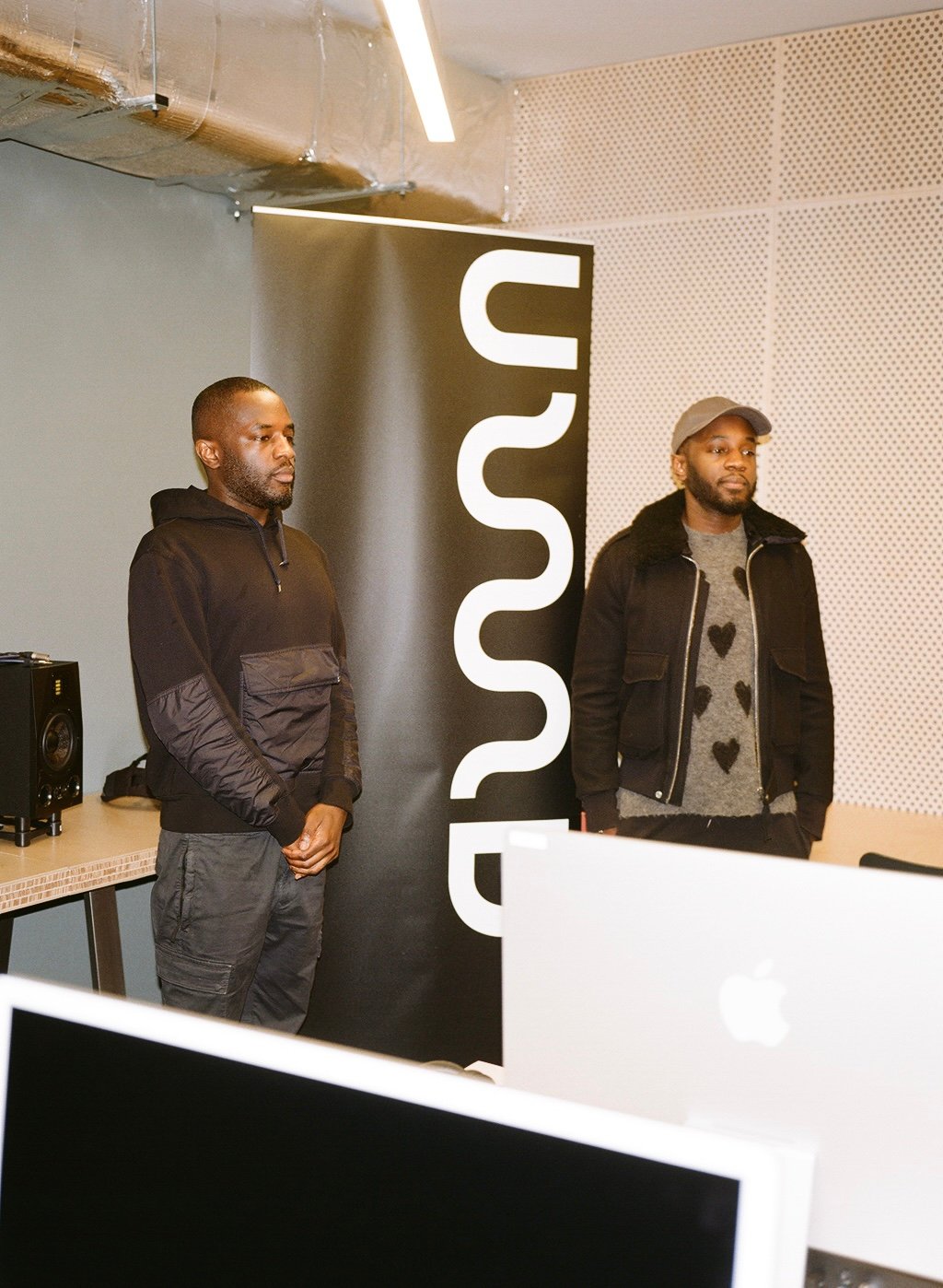
Before Black British music became one of the most commercially powerful forces in pop culture, twin brothers Alex and Alec Boateng were engineering its rise from behind the scenes.
As co-presidents and founders of 0207 Def Jam, the two have built one of the UK’s most important modern labels. Established under Universal Music UK in 2020, the imprint serves as both the British home of the legendary Def Jam brand and a cultural bridge connecting the UK, Africa and the wider diaspora.
The brothers arrived at 0207 Def Jam with years of experience already under their belts. Alec’s time at Atlantic Records UK helped shape campaigns for stars like Stormzy, while Alex oversaw major release campaigns for artists including Giggs and Unknown T.
At a time when Afrobeats and diaspora sounds are transforming the global music landscape, the Boateng twins have become architects of an industry that prioritises cultural fluency. Their success shows that Black music no longer needs to seek validation from outside gatekeepers; increasingly the gatekeepers themselves look like the communities they represent.
More than executives, Alex and Alec Boateng are helping to redefine who gets to shape pop culture and how that culture is exported to the world.
Irene Agbontaen
Music, Fashion and Brand Strategy | Nigeria / United Kingdom
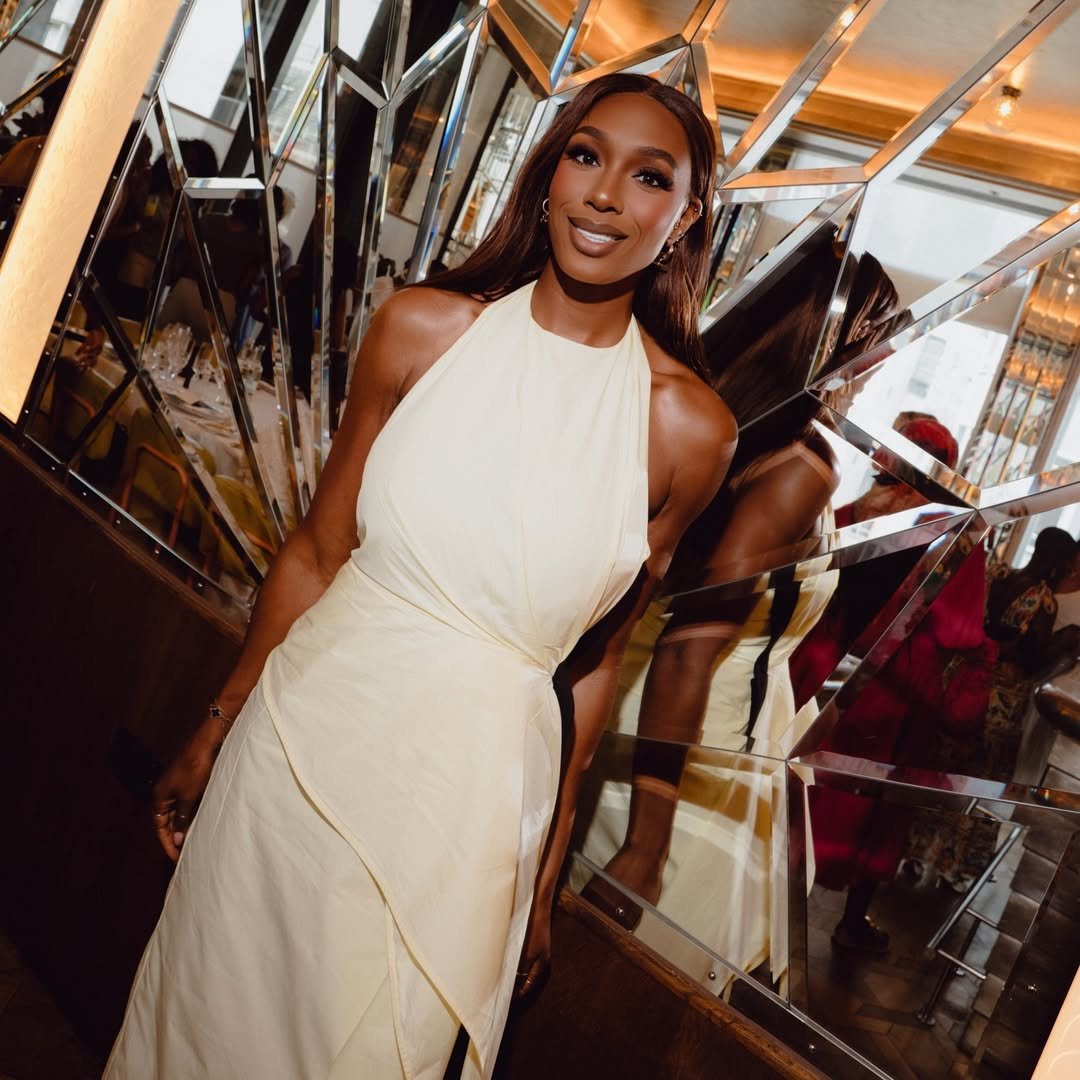
Few executives understand the intersection of culture, fashion and commerce quite like Irene Agbontaen.
Today, as Senior Director of Artist Brand Strategy and Music Brand Partnerships at United Talent Agency, Agbontaen occupies one of the industry’s most influential spaces, helping connect global brands with some of music’s biggest stars through partnerships rooted in authenticity rather than opportunism.
But long before entering the corridors of international entertainment, she had already built a reputation as a pioneer. Through her fashion label Taller Than Your Average and the community platform TTYA Talks, Agbontaen championed inclusivity and representation, proving that underserved audiences deserved to be seen and catered to.
That same philosophy now informs her work at UTA. In an era where audiences reject manufactured campaigns, Agbontaen has become one of the executives responsible for ensuring that artists and brands engage with culture in meaningful ways.
Her influence lies not simply in brokering deals but in understanding people. Whether working across music, fashion or corporate partnerships, she recognises that culture cannot be manufactured; it must be respected.
For a generation of African and diaspora creatives navigating global industries, Agbontaen represents a new kind of executive: one who understands that identity itself can be a powerful asset rather than something to be diluted.
Peace Hyde
Television, Journalism and Social Impact | Ghana / United Kingdom
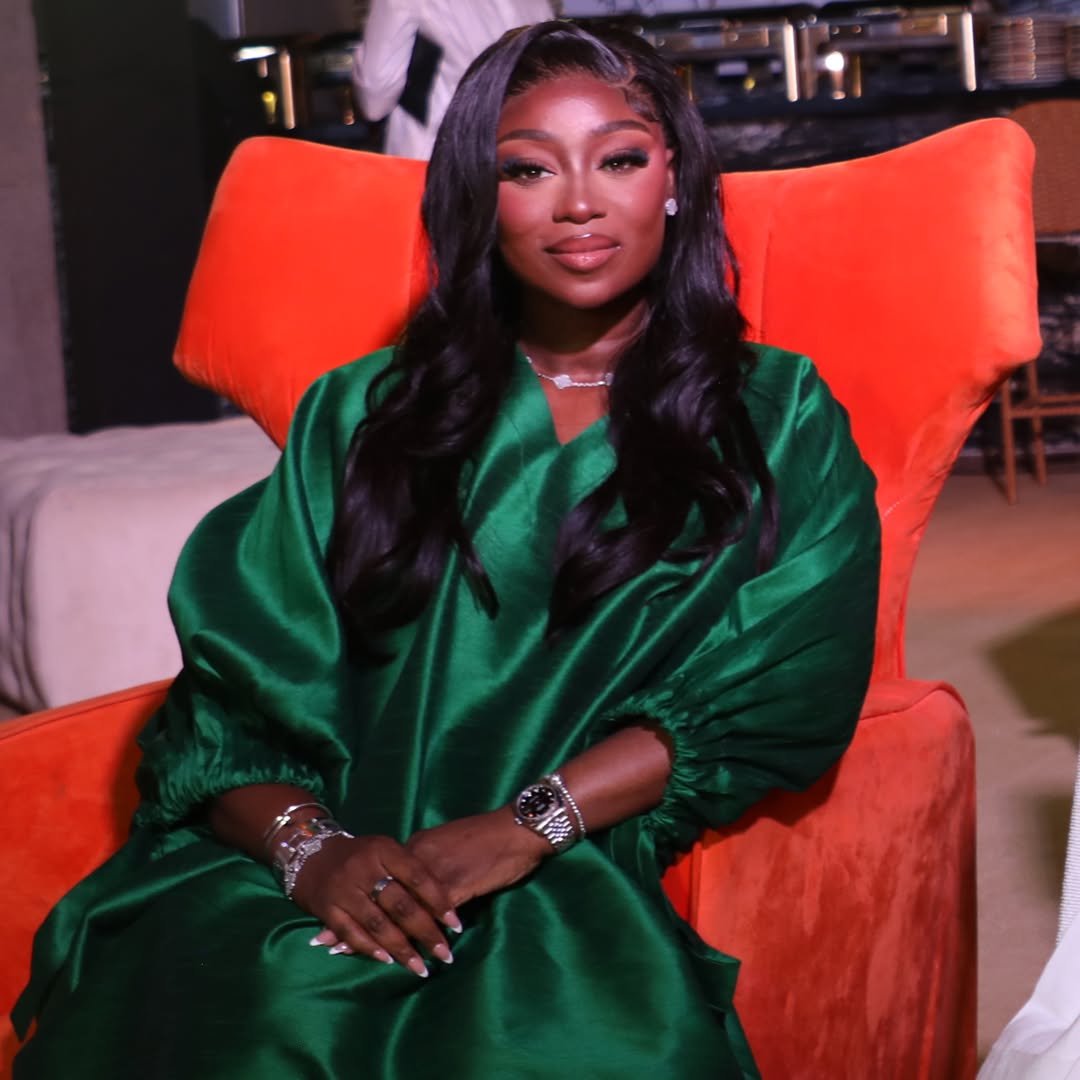
When Young, Famous & African premiered on Netflix in 2022, the series represented more than just another reality show. It marked a significant shift in how African wealth, ambition and contemporary lifestyles would be presented to a global audience.
At the centre of that moment was Peace Hyde.
As creator and executive producer of the hit series, the British-Ghanaian media entrepreneur helped deliver Netflix’s first African original unscripted series, offering viewers an image of Africa rarely portrayed in mainstream international media. Gone were the familiar narratives of conflict and scarcity. In their place were successful entrepreneurs, entertainers and personalities navigating fame, relationships and luxury on their own terms.
Hyde’s understanding of storytelling extends beyond television. As Head of Digital Media and Partnerships at Forbes Africa, she has spent years spotlighting African innovators and changemakers. Through her non-profit organisation Aim Higher Africa, she has also focused on improving educational infrastructure and creating opportunities for young people across the continent.
Her ability to operate across media, business and philanthropy reflects the changing role of modern cultural executives. They are no longer confined to one industry or platform. Instead, they serve as connectors between audiences, brands and communities.
By placing African excellence at the centre of global entertainment, Hyde has helped expand the world’s understanding of what contemporary African success looks like. And in doing so, she has become one of the most influential storytellers working behind the scenes today.
Tim Yaw Struthers
Film, Television, Brand Strategy and Advocacy | Ghana / United Kingdom
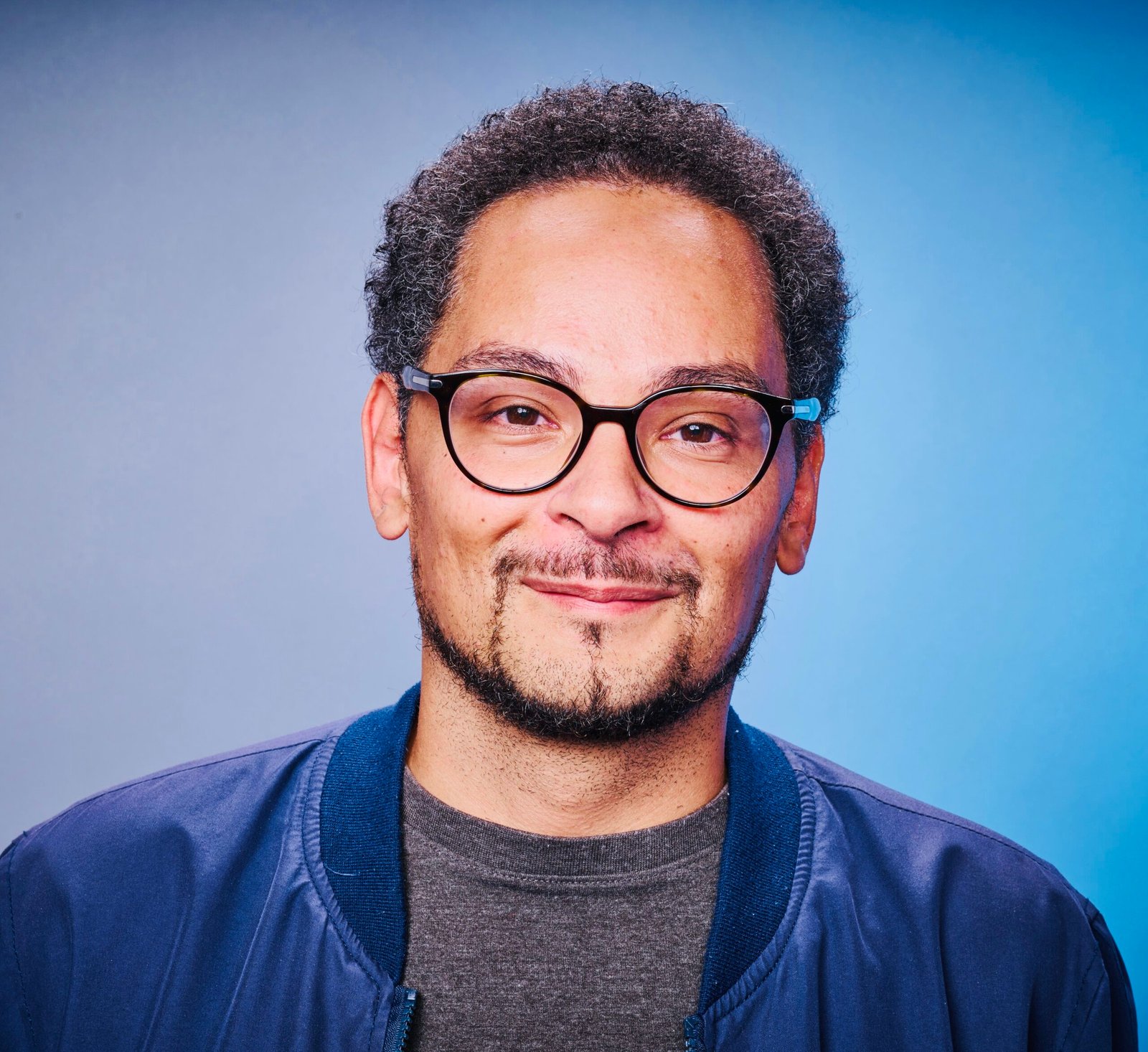
For more than two decades, Tim Yaw Struthers has occupied the intersection where storytelling meets strategy. While audiences see the finished product—a blockbuster film, a prestige television series or a successful international campaign—Struthers has spent his career helping ensure those projects connect with audiences across borders and cultures.
Today, as Head of Original Brands and International Marketing at Sky Entertainment Group, the Scottish-Ghanaian executive oversees global brand strategy for some of the company’s biggest shows, including Gangs of London and The Day of the Jackal. His work involves more than advertising; it is about understanding how stories resonate in different markets and creating campaigns that transform content into cultural events.
Before joining Sky, Struthers held senior roles at Universal Pictures, where he developed a reputation for building lasting relationships with talent, producers and creative partners. That ability to connect industries and people has become one of his defining strengths.
But beyond corporate success, Struthers has consistently used his platform to advocate for Africa’s creative and economic potential. Through his work as executive producer of The Change Africa Podcast, he has helped spotlight entrepreneurs, innovators and thought leaders who are reshaping the continent’s future.
From behind the scenes, the award-winning executive has become one of the architects ensuring African stories and talent are part of the global conversation.
Stephanie Busari
Media, Storytelling, Television and Publishing | Nigeria / United Kingdom
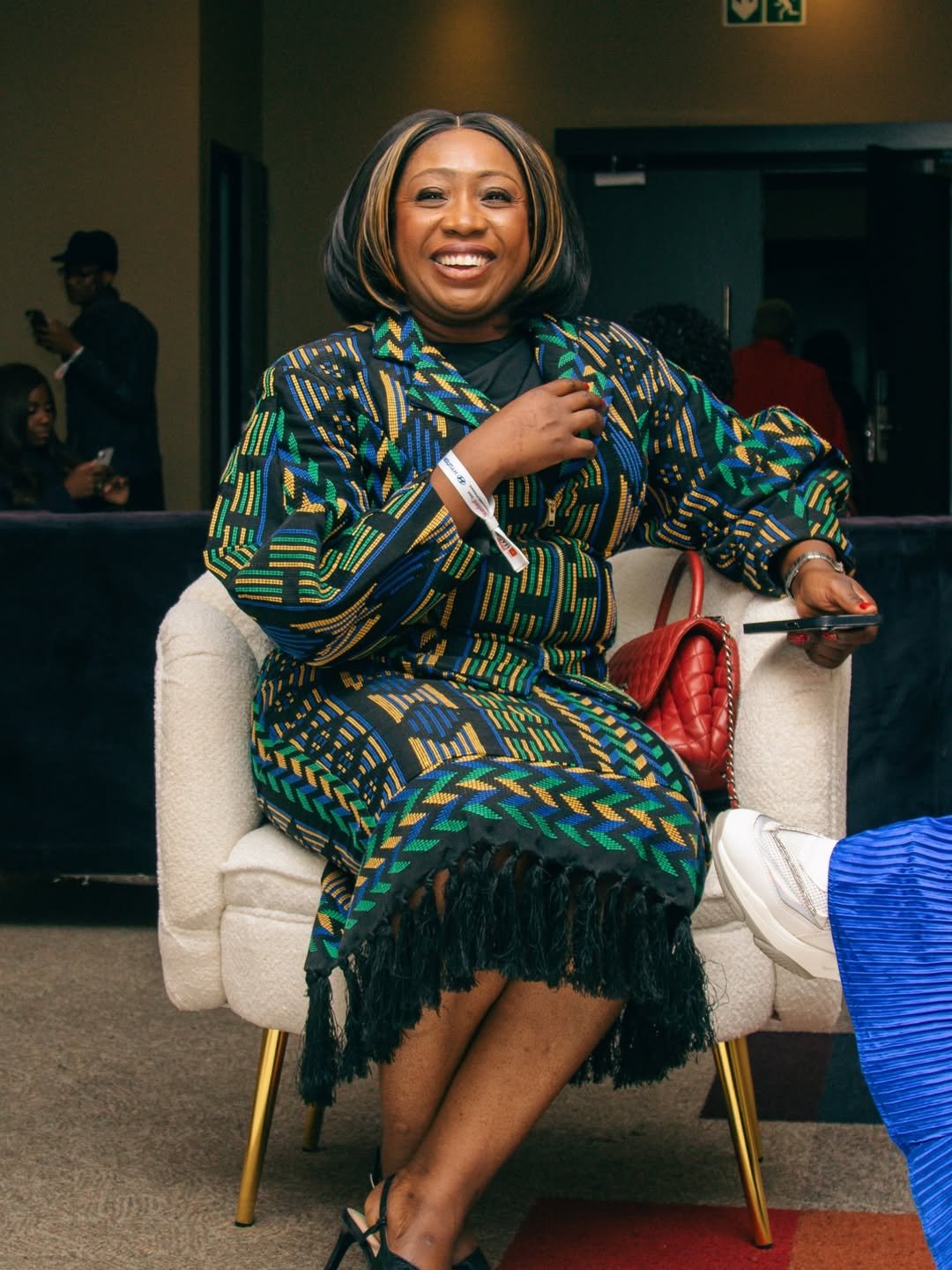
Over a career spanning more than two decades, the Nigerian journalist helped reshape how one of the world’s biggest news organisations approached Africa. During her 16 years at CNN International, Busari played a central role in expanding African coverage and ensuring stories from the continent were told with depth, context and humanity.
Her reporting and editorial leadership earned some of journalism’s highest honours, including Emmy, Peabody and Gracie Awards. But perhaps her greatest contribution has been her commitment to narrative ownership—the belief that African stories should not simply be filtered through external lenses.
That philosophy now drives her work through SBB Media and Her Story Global, platforms dedicated to amplifying women’s voices, leadership and stories of African excellence. At a moment when independent media has become vital, Busari is building systems that allow underrepresented perspectives to flourish.
Her influence extends far beyond journalism. She understands that stories shape perception, and perception shapes opportunity. Whether through television, publishing or digital platforms, Busari has spent her career challenging outdated narratives and replacing them with more nuanced, authentic representations.
In many ways, she is part of the African media leaders who are no longer waiting for permission to tell their own stories. They are building the platforms themselves.
Touria El Glaoui
Art | Morocco / United Kingdom
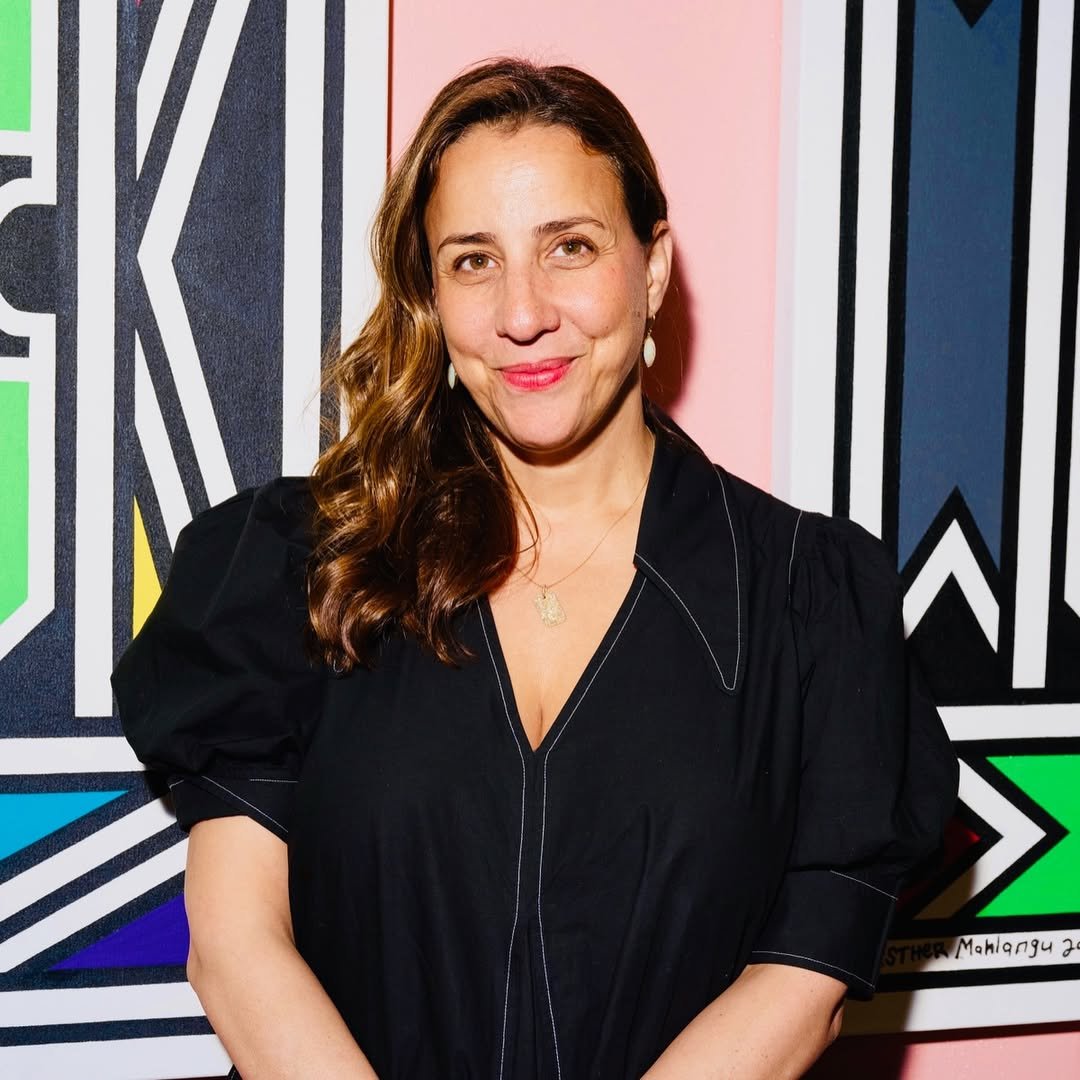
When Touria El Glaoui founded the 1-54 Contemporary African Art Fair in 2013, the international art world still viewed African art through the lens of “emerging markets”. A decade later, that language feels outdated—and much of that shift can be traced back to the platform she built.
Named after the continent’s 54 countries, 1-54 has become one of the most influential gatherings dedicated to contemporary African and diaspora art. With editions in London, New York and Marrakech, the fair has helped introduce artists, galleries and collectors to conversations that were once largely excluded from mainstream art institutions.
El Glaoui’s vision has always gone beyond commerce. By creating a space where African artists could be seen on equal footing with their global counterparts, she helped elevate the continent’s creative output from niche interest to serious institutional and collector consideration.
At a time when museums, auction houses and major galleries are paying unprecedented attention to African art, the impact of 1-54 can’t be ignored. It has become a gateway through which curators, collectors and critics engage with the continent’s rich and evolving artistic landscape.
Chioma Ude
Film and Entertainment | Nigeria
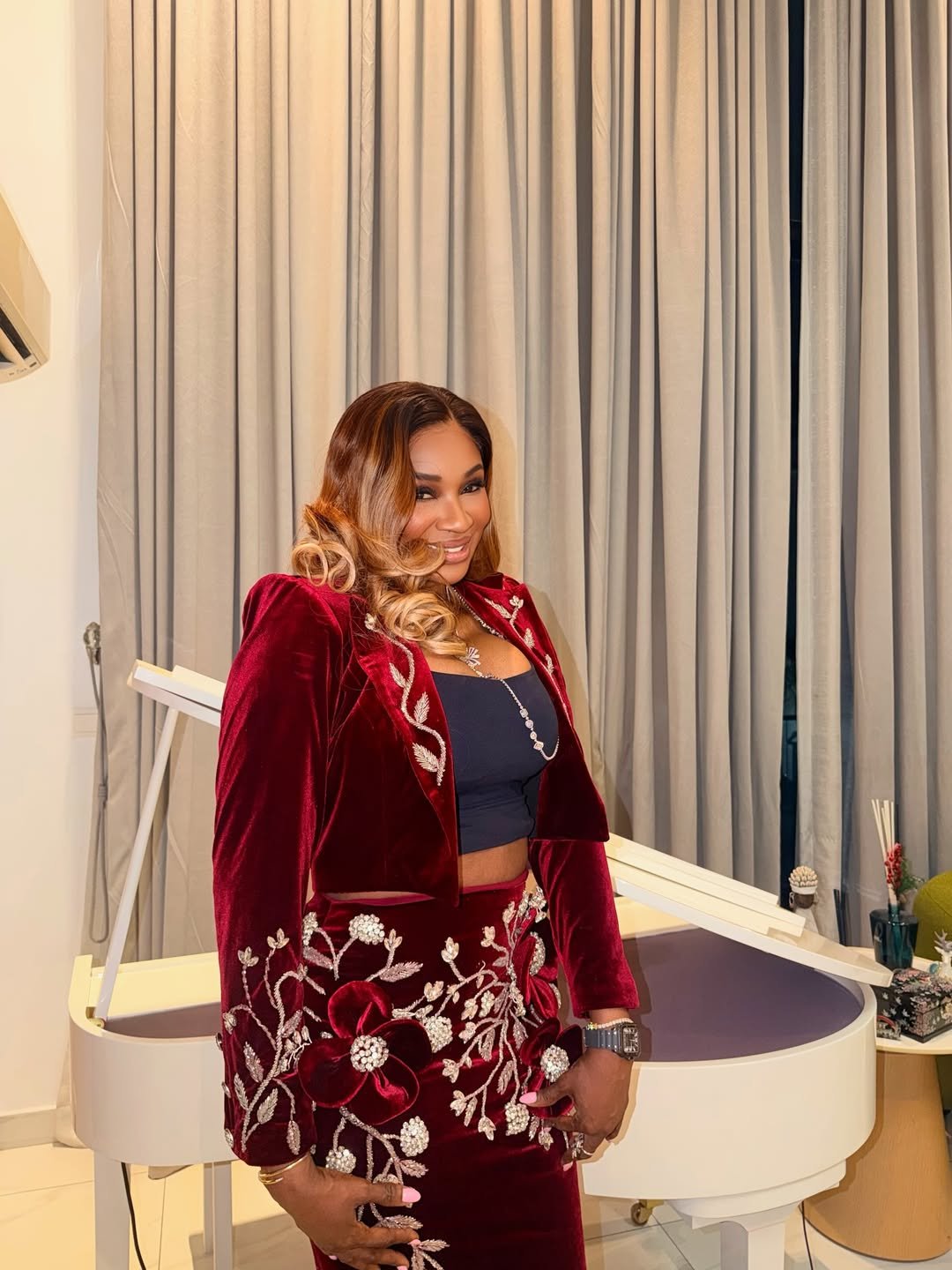
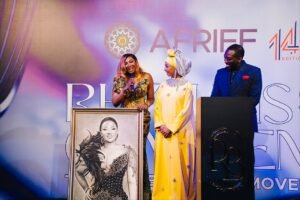
The founder and executive director of the Africa International Film Festival (AFRIFF) has spent more than a decade building one of the continent’s most important creative institutions. AFRIFF which began as a platform to celebrate African storytelling has evolved into a critical meeting point for filmmakers, producers, distributors and investors seeking to shape the future of the industry.
Under Ude’s leadership, AFRIFF has become more than a film festival. Through workshops, talent development programmes and industry networking initiatives, it has created opportunities for emerging filmmakers while strengthening ties between Africa and the international film community.
Her ambitions extend even further. Through the AFRIFF Film and Content Market and the festival’s presence at the Nigerian Pavilion during the Cannes Film Festival, Ude has focused on creating tangible market structures that can support the long-term growth of African content.
That emphasis on infrastructure distinguishes her from many cultural leaders. While others celebrate the finished product, Ude has dedicated herself to building the systems that allow creativity to thrive.
Her contribution to African cinema recently earned her the Mwankom Plus Vanguard Award for Film presented in partnership with Rolling Stone Africa and Martell.
Dorothy Ghettuba Pala
Television and Streaming Media | Kenya / Diaspora
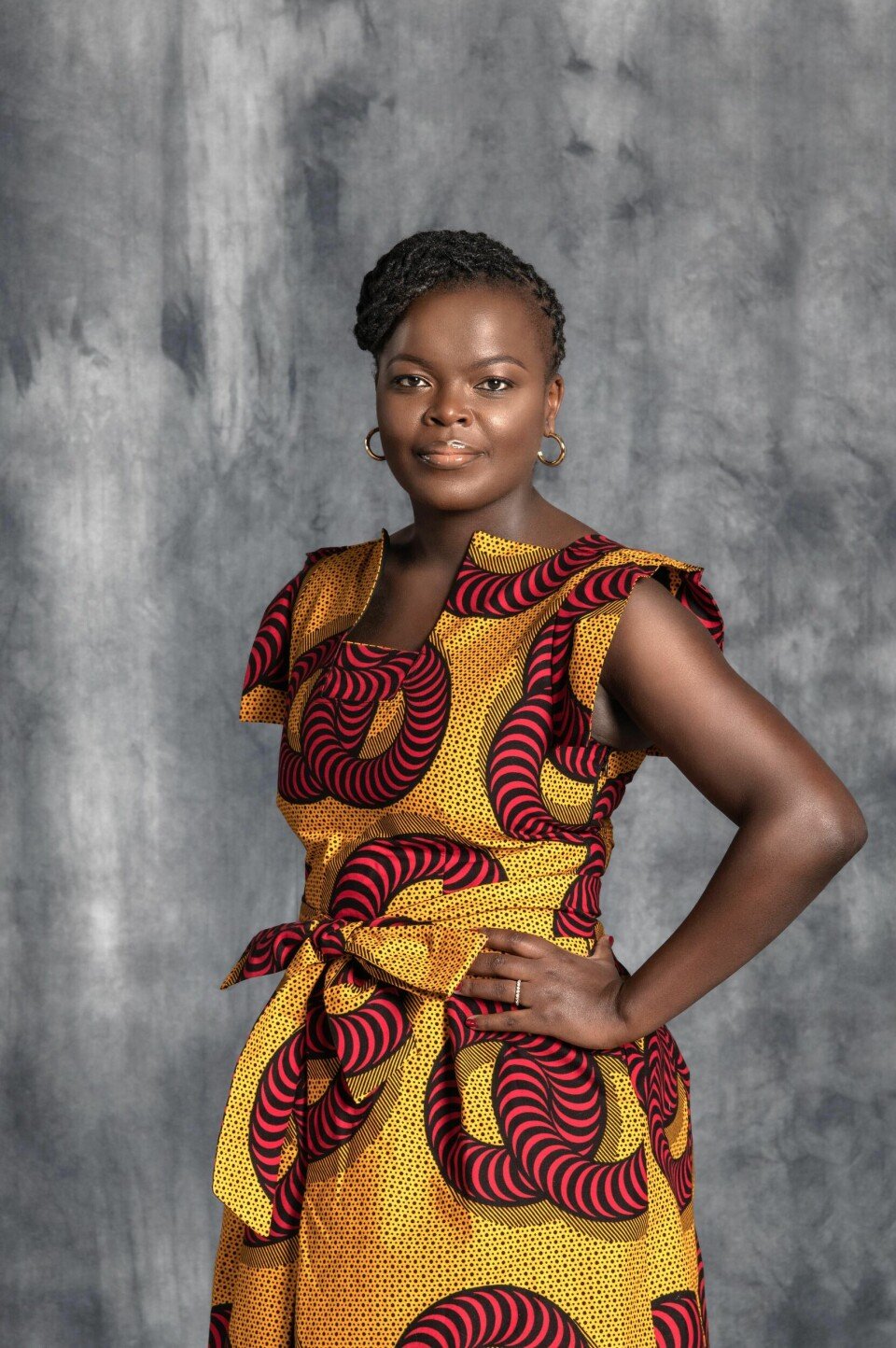
Long before global streamers began investing heavily in African content, Dorothy Ghettuba Pala understood that the continent’s stories deserved audiences far beyond their borders.
Over the course of a career spanning television production, commissioning and content development, the Kenyan media executive has become one of the most influential figures shaping how African narratives travel. As co-founder of Spielworks Media and later as Netflix’s director of series for Africa, she played a pivotal role in bringing premium African storytelling into the global streaming system, championing projects that showed the depth, diversity, and commercial viability of local stories.
Rather than treating African stories as content requiring translation for foreign audiences, Ghettuba Pala has championed narratives rooted in local realities, trusting that specificity—not compromise—is what resonates globally.
This has helped create opportunities for writers, directors and producers across East Africa while positioning countries like Kenya as important creative hubs. Through strategic partnerships and an unwavering belief in homegrown talent, she has helped prove that African content belongs not on the margins of global entertainment but at its centre.
Raphael Chikukwa
Fine Art and Museums | Zimbabwe
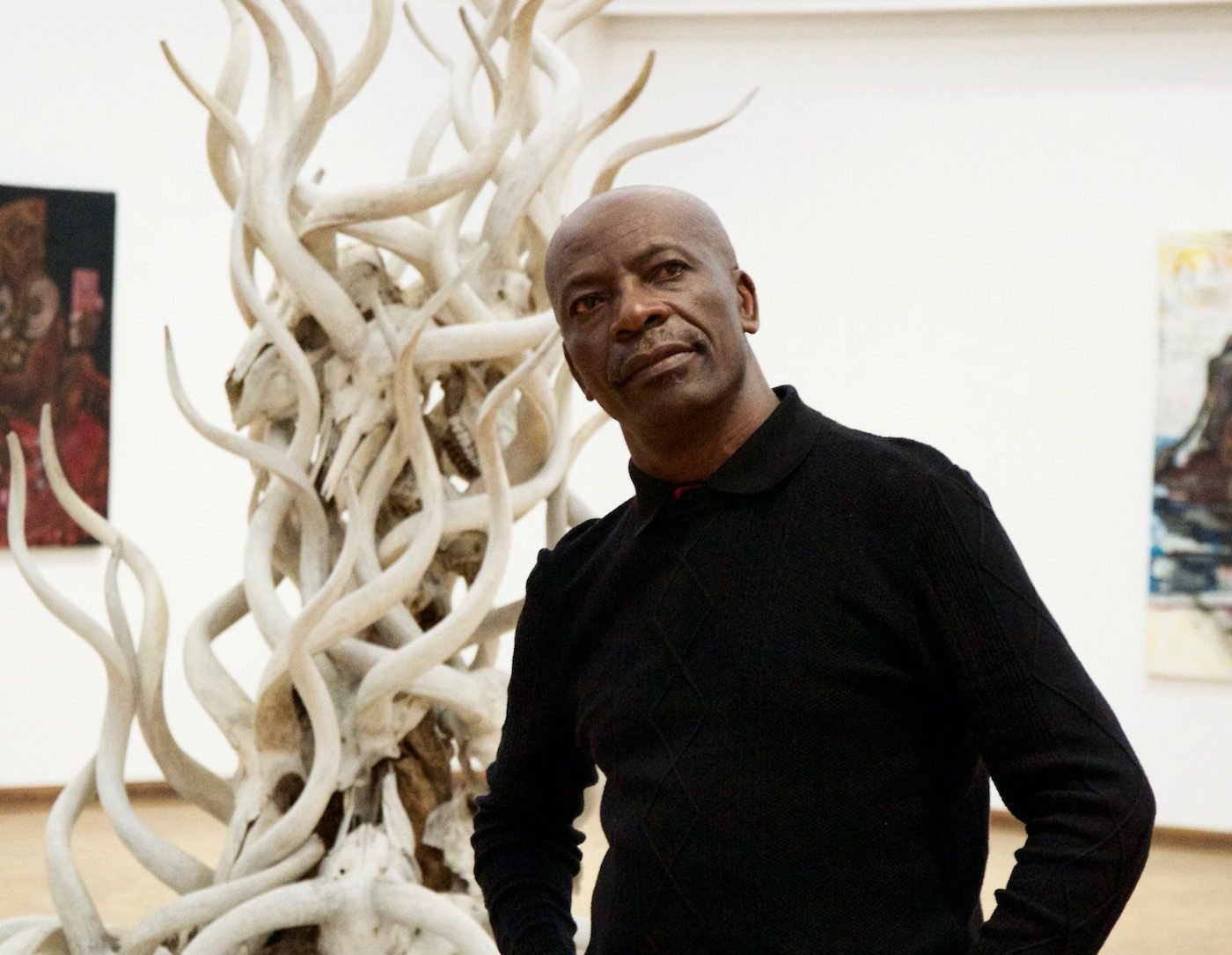
As Executive Director of the National Gallery of Zimbabwe and the founding curator of the Zimbabwe Pavilion at the Venice Biennale, Chikukwa is one of the continent’s most respected curatorial voices. His work has been instrumental in creating pathways for Zimbabwean and South African artists to participate in some of the art world’s most important conversations.
Unlike many curators whose influence is confined to exhibitions, Chikukwa’s impact extends into policy, institution-building and cultural diplomacy. Through his leadership, the National Gallery of Zimbabwe has continued to evolve as a critical centre for artistic development, research and preservation.
The establishment of the Zimbabwe Pavilion at the Venice Biennale represented a watershed moment, offering artists from the country unprecedented visibility on one of the world’s most prestigious stages. It also reinforced the notion that African artistic expression deserves a place within the global canon—not as an afterthought, but as an essential part of it.
At a time when museums and collectors are rethinking long-held assumptions about art history, Chikukwa stands among the figures helping reshape those conversations from within.
His work serves as a reminder that cultural influence is not only about creating art but also about building the institutions that preserve and elevate it.
Taponeswa Mavunga
Music and Cultural Strategy | Zimbabwe / United Kingdom
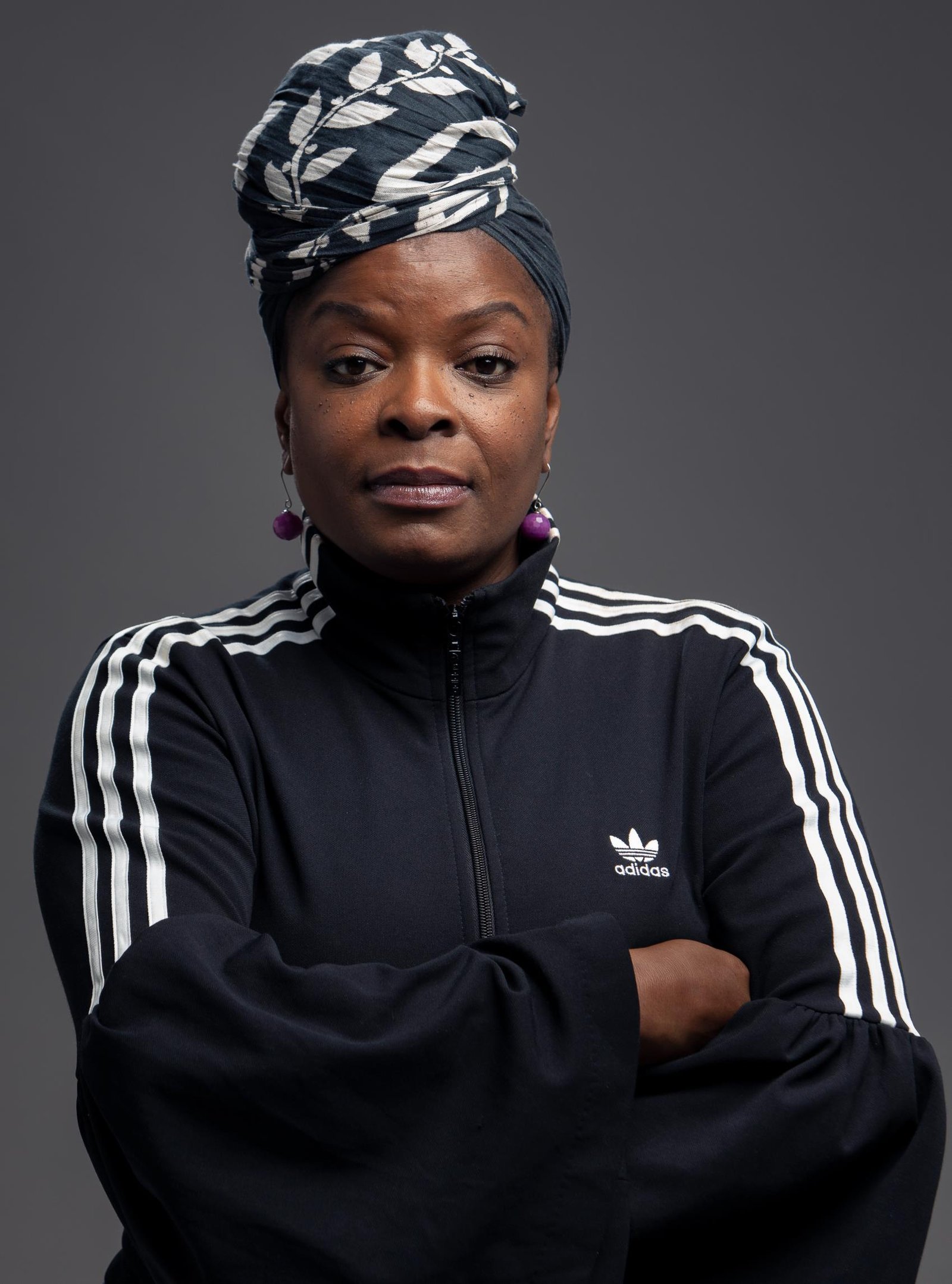
As African music continues its transformation from regional phenomenon to global force, few executives have been more strategically positioned than Taponeswa Mavunga.
The Zimbabwean-born, UK-based executive currently serves as director of Africa at Sony Music UK, where she leads the company’s vision for the continent and works to strengthen connections between African artists, the British market and the wider global music industry.
Before assuming her current role, Mavunga built a formidable reputation across Warner Music UK, Columbia Records and Sony, contributing to campaigns connected to some of the biggest names in contemporary music, including Wizkid, Davido, Rosalía, Jay-Z, Missy Elliott and Ed Sheeran.
Her expertise lies in understanding that music today travels through culture as much as it does through charts. Success requires not only great songs but also thoughtful storytelling, strategic partnerships and an appreciation for the communities that shape trends long before they become mainstream.
In many ways, Mavunga embodies the borderless nature of modern music. Operating between Africa, the United Kingdom and international markets, she has become part of a new generation of executives ensuring that African artists are not merely participants in global conversations but leaders within them.
These executives are not simply exporting African creativity to the world. They are changing who controls the narrative, who sits at the table and who gets to decide what culture looks like in the 21st century. The spotlight may not always find them. But increasingly, the future of global culture is being shaped in the rooms where they work.