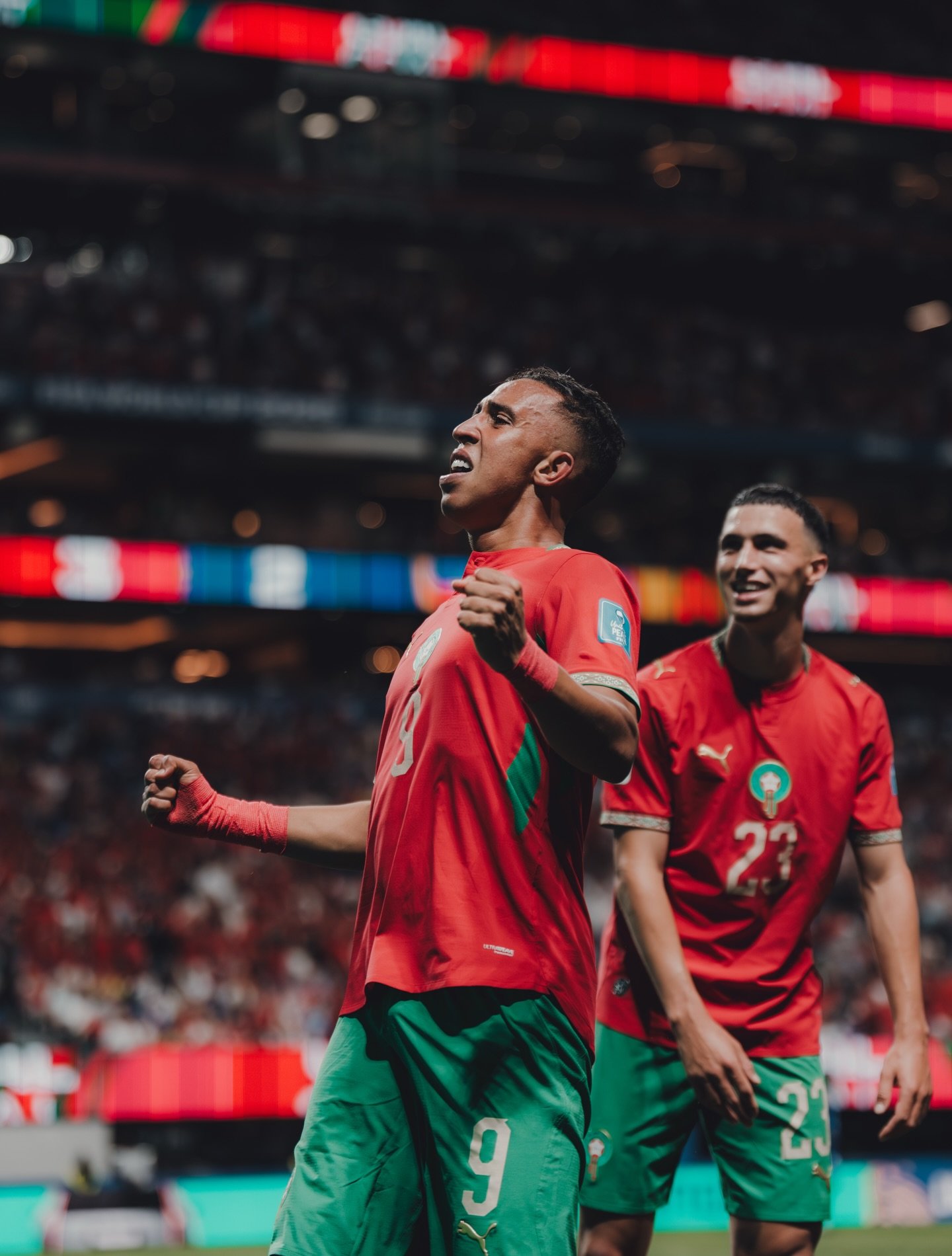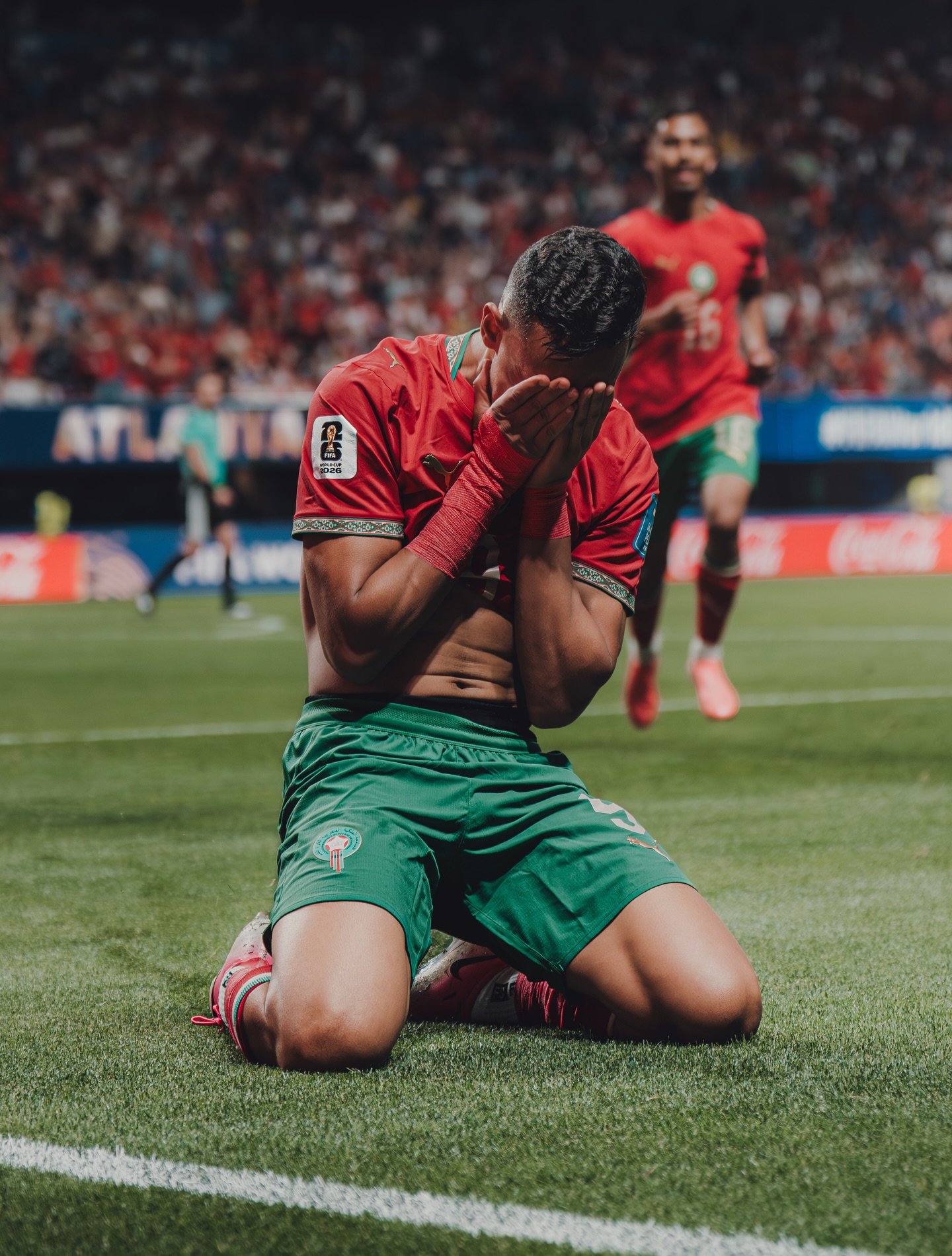
When the final whistle blew and France secured a 2-0 victory over Morocco, Africa’s journey at the 2026 FIFA World Cup came to an end, closing the curtain on another campaign filled with dreams, drama, and moments that reminded the world just how far African football has come.

For the second consecutive World Cup cycle, Morocco carried the hopes of Africa further than anyone else. Their defeat marked the end of a remarkable campaign, but it also confirmed that African nations no longer arrive at the World Cup simply to participate. They arrive expecting to compete with the very best.
The Atlas Lions may have fallen at the quarter finals, but their legacy continues to roar.
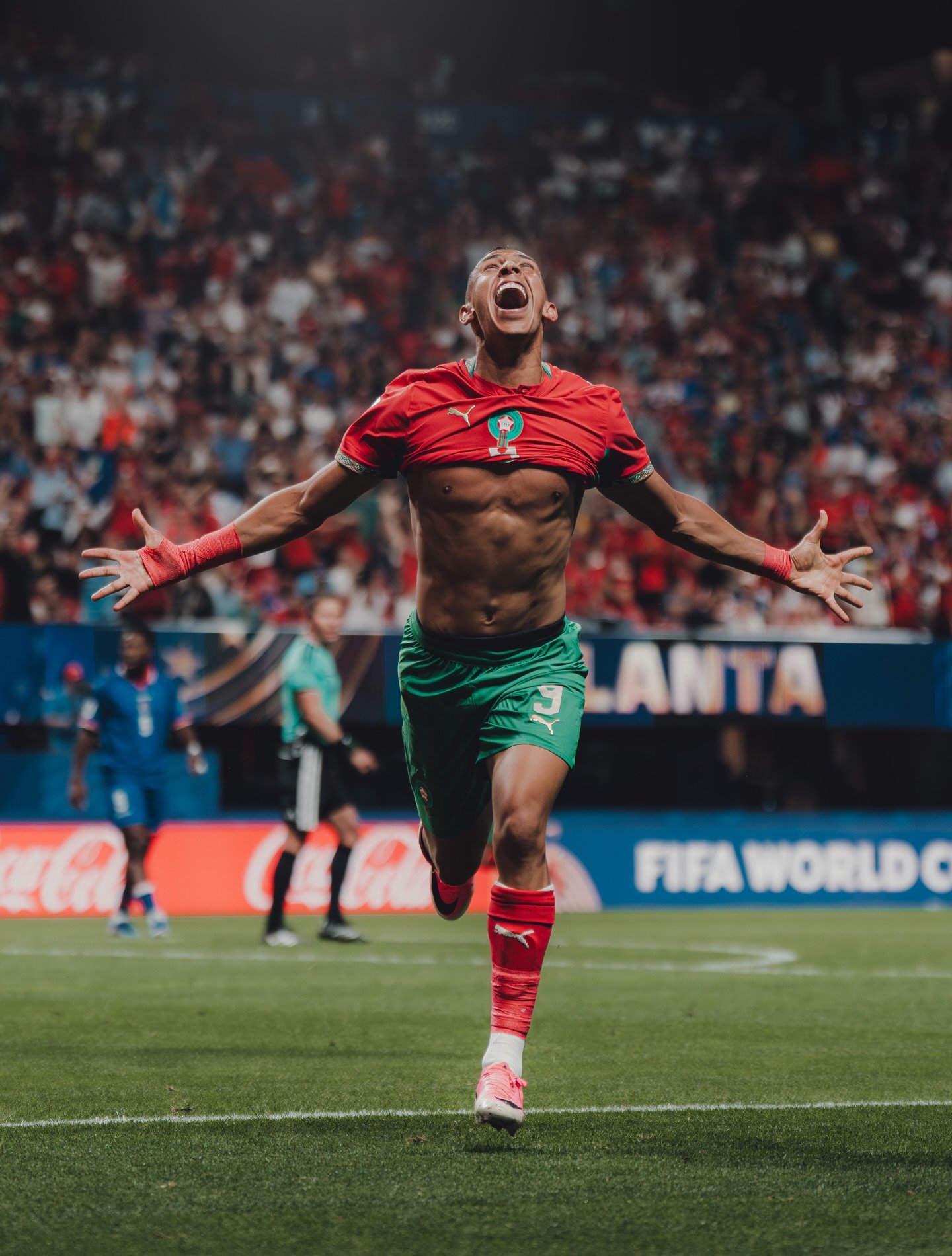
Four years ago in Qatar, they also rewrote football history by becoming the first African nation to reach a FIFA World Cup semi-final. For many people outside Africa, it was viewed as a perfect storm unlikely to happen again. But Morocco never accepted that narrative.
Their performances in 2026 showed that it’s their skill that got them far in Qatar. Once again, they became the last African nation standing, demonstrating that African teams no longer travel to the World Cup hoping to cause an upset; they arrive to compete. And that’s Morocco’s greatest achievement.
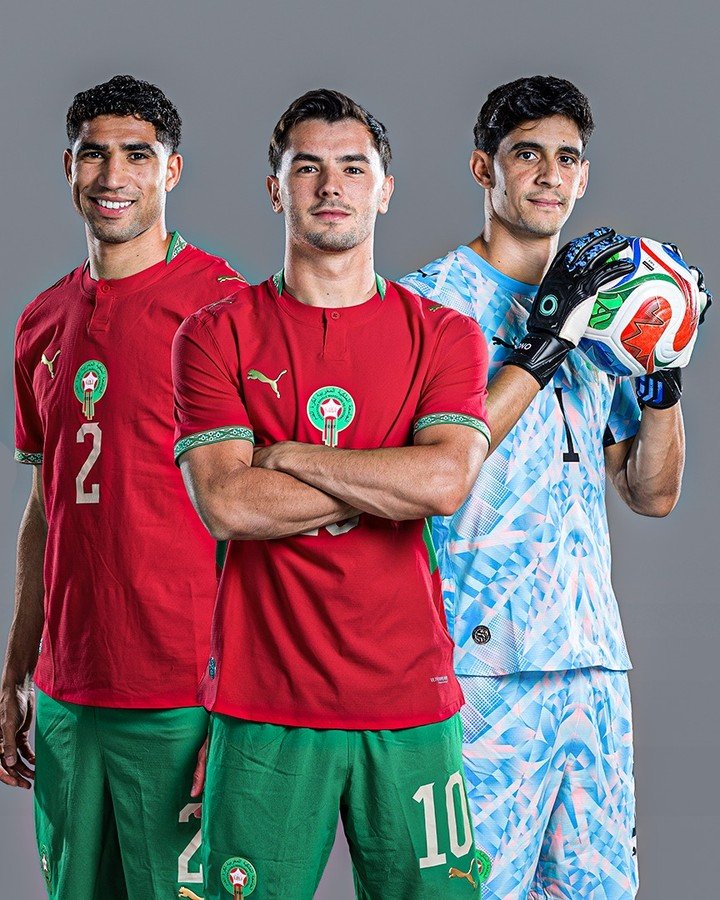
As other African nations bowed out, the Atlas Lions found themselves carrying more than just their own ambitions as millions of Africans found themselves rallying behind them.
Morocco’s strong team is the product of years of investment in football infrastructure, elite coaching, youth development, and a clear national vision.
The country’s football federation has spent years modernizing academies, improving domestic structures, and creating pathways capable of producing players comfortable competing at Europe’s highest levels while remaining deeply connected to Moroccan football.
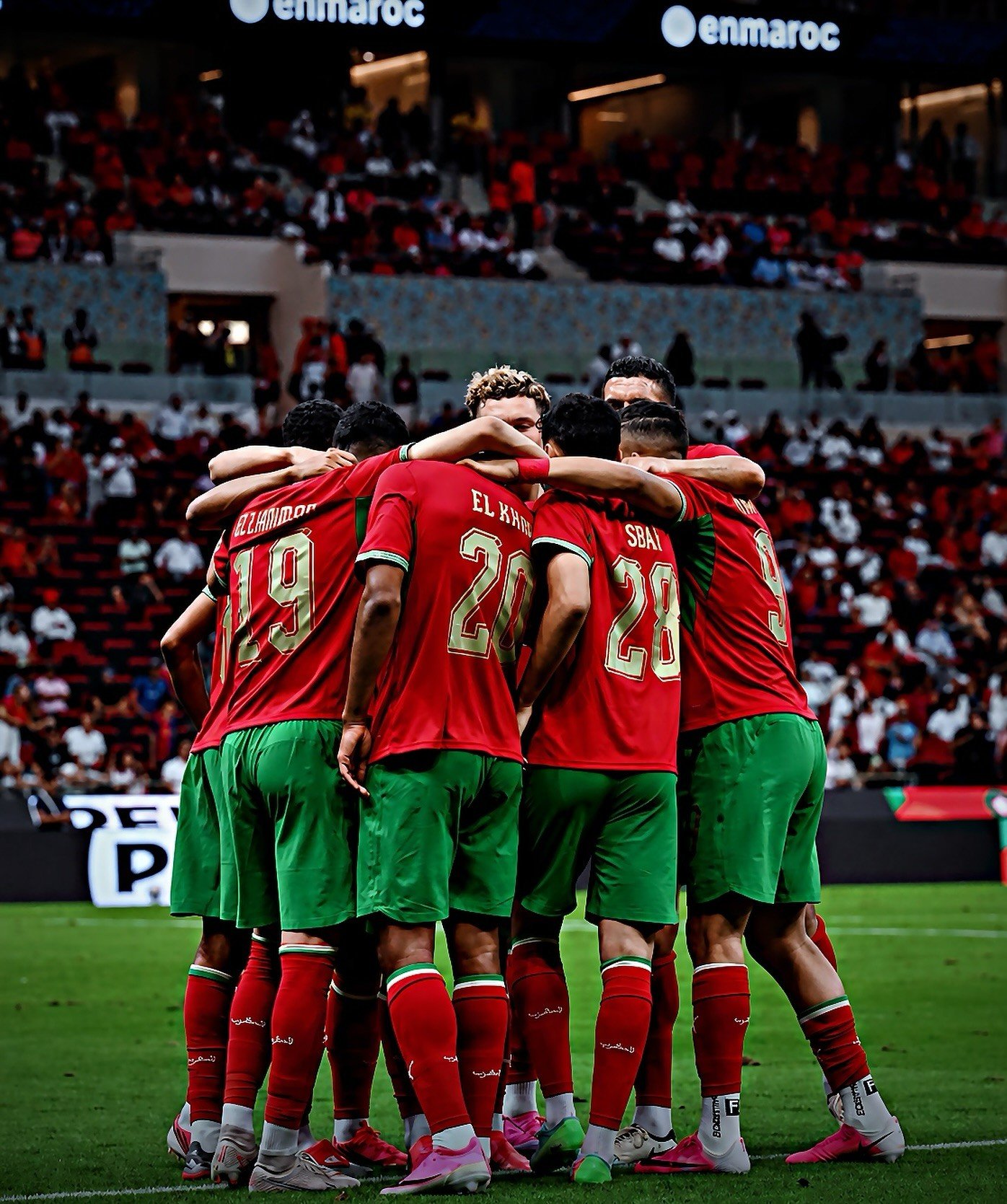
In a sport historically dominated by European and South American narratives, Morocco continued expanding the global map. Their ability to remain among the tournament’s strongest teams across consecutive World Cups changes the conversation entirely.
Every generation needs proof that dreams are achievable. Morocco has now provided that proof twice. France ended the country’s World Cup campaign, but they didn’t end their influence.
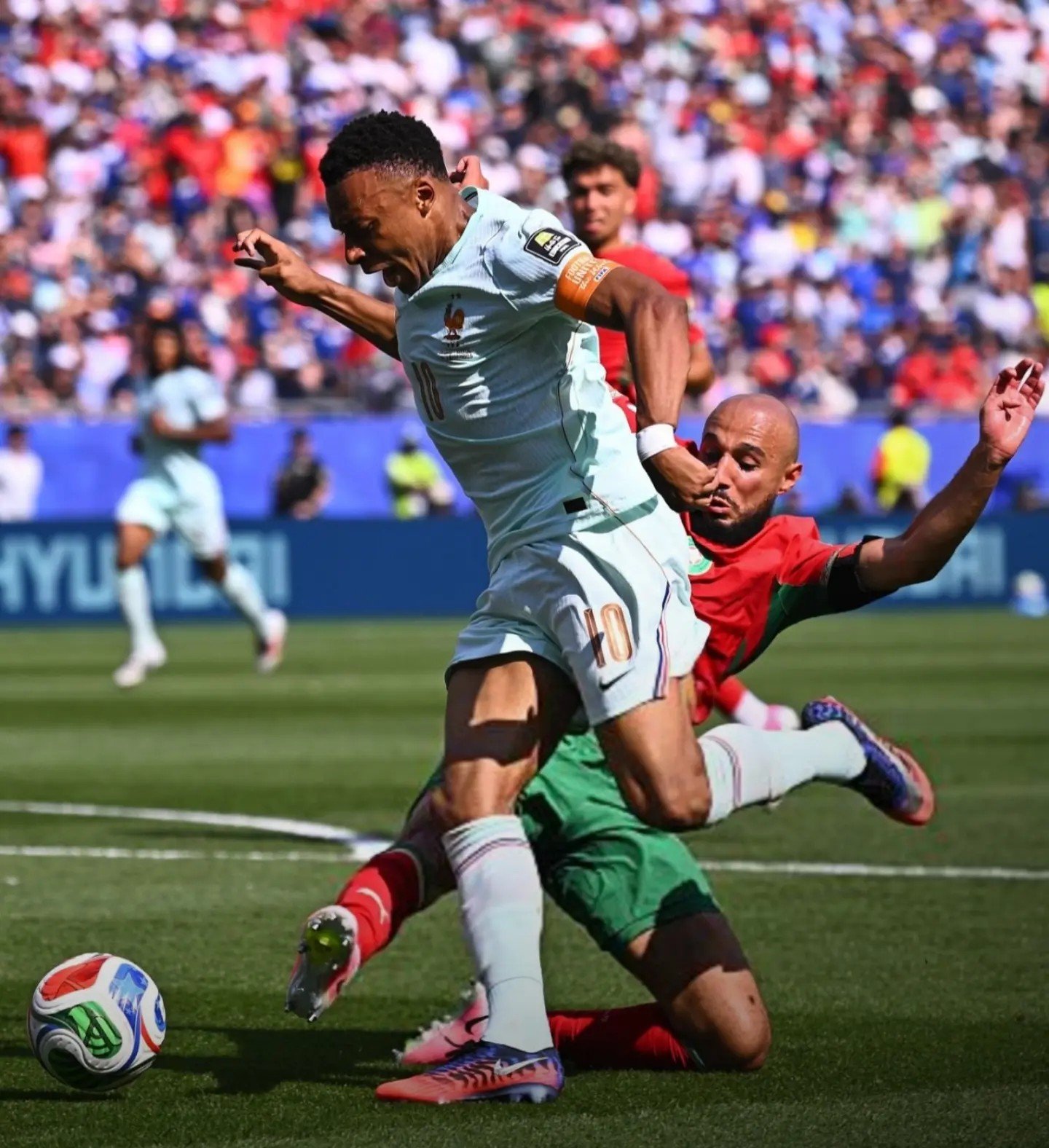
The scoreboard will always say France 2, Morocco 0. History, however, will remember another World Cup where Morocco stood as Africa’s final representative.
It will remember a team that proved its previous success was no accident and players who inspired millions beyond their own borders.
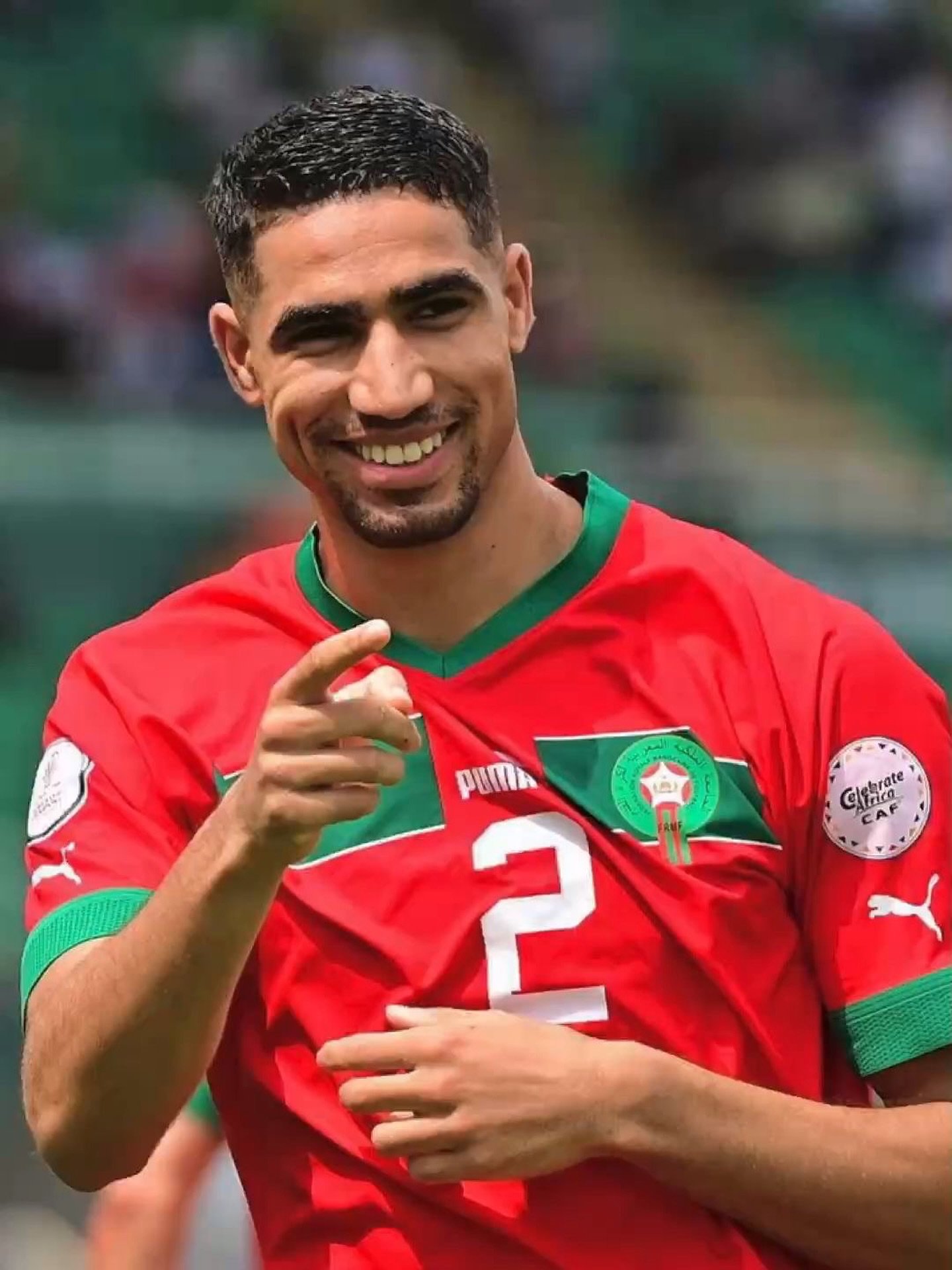
The Atlas Lions leave this World Cup without the trophy they dreamed of lifting. But they depart with something almost as significant. They leave behind belief. And belief has always been where every football revolution begins.