Jazz has occupied a complicated place in African pop music for decades. It has been foundational, influential, and deeply embedded in the continent’s musical history, yet it has often existed on the margins of mainstream commercial music.
While Afrobeats, Amapiano, Bongo Flava, Highlife, and other African genres have dominated global playlists, jazz has sometimes been treated as music for specialists rather than a genre that can shape pop culture.
That distinction is becoming harder to maintain. Across Africa, musicians are pulling jazz into contemporary pop, electronic music, hip-hop, Amapiano, R&B, and experimental sounds. Some are trained jazz musicians bringing improvisation and traditional African musical ideas into new contexts.
Others are pop and electronic artists drawing from jazz without necessarily presenting themselves as jazz musicians. What they are giving us is not a revival of jazz in its traditional form. It is something more fluid. They are treating jazz as a musical vocabulary rather than a fixed genre.
Countries and Artists Behind the Movement
South Africa is at the center of this movement, but the story stretches from Ethiopia and Nigeria to Kenya, Zambia, and beyond.
South Africa’s Jazz DNA Is Everywhere
South Africa has one of the continent’s deepest jazz traditions, shaped by musicians including the late Abdullah Ibrahim, Hugh Masekela, Miriam Makeba, Bheki Mseleku, and many others.
That history has not disappeared. Instead, it has continued to mutate. One of the clearest examples is Amapiano, the South African genre that emerged from townships around Pretoria and Johannesburg before becoming a global phenomenon.
The sound developed from a mixture of influences, including house, Kwaito, and jazz, with its characteristic piano-led melodies and later log-drum-driven production helping it become one of the most recognizable sounds in African music.
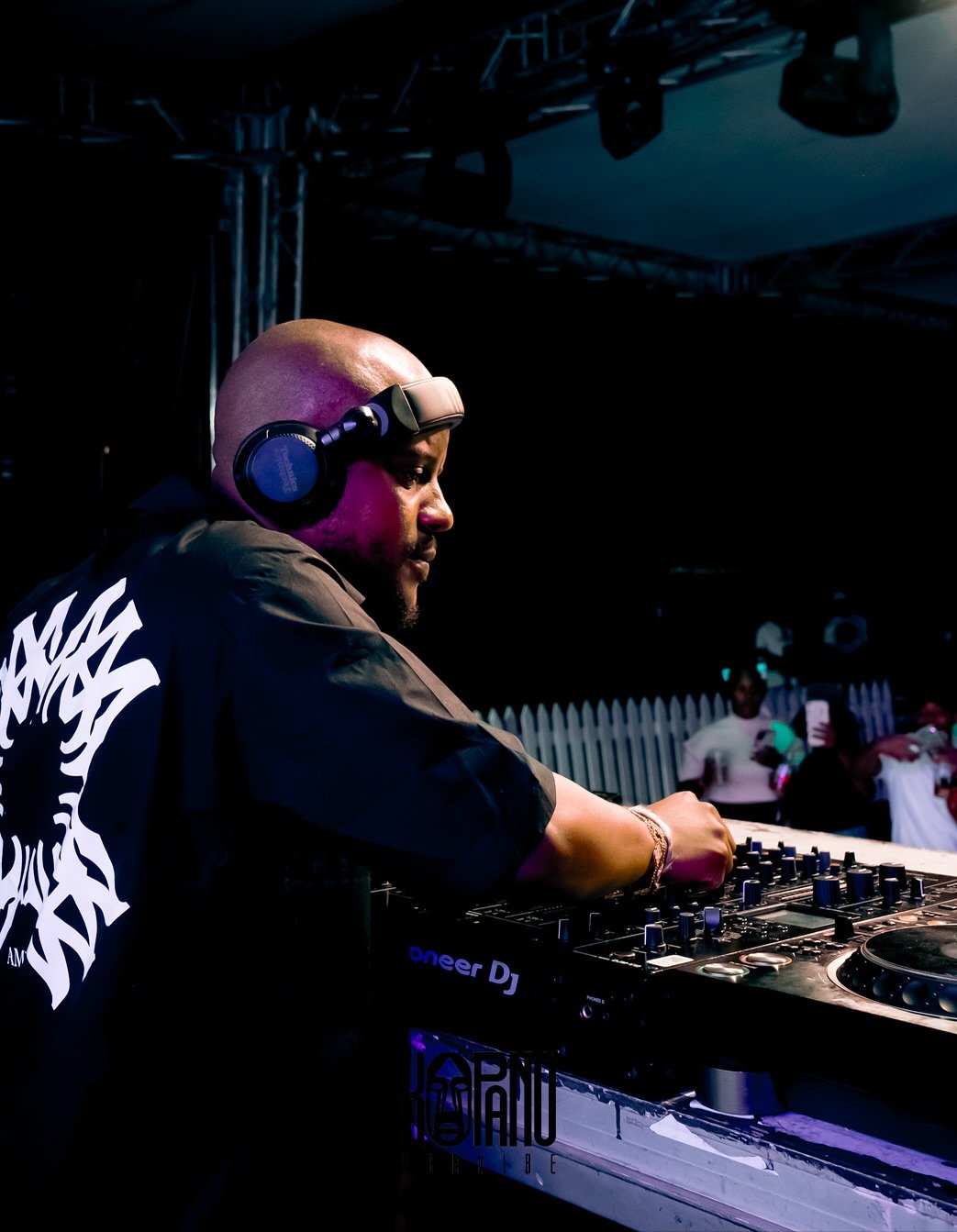
Artists such as Kabza De Small helped take Amapiano from South African clubs and informal digital networks into the mainstream. Apple Music described him as one of the pioneers of Amapiano while noting that the genre itself is a jazzy subgenre of house.
Then there is Kelvin Momo, whose interpretation of Amapiano has become closely associated with the genre’s so-called “private school” sound. His productions draw explicitly from jazz, deep house, and lounge, creating a more atmospheric and spacious version of Amapiano.
The importance of this development is bigger than a single subgenre. Jazz is no longer necessarily arriving in mainstream African music through a saxophone solo or a traditional jazz ensemble. Sometimes it arrives through harmony, chord progressions, instrumentation, improvisation, and an emphasis on musical atmosphere.
That influence has helped make the sophisticated, jazz-oriented side of Amapiano commercially viable.
Nduduzo Makhathini and How He Is Expanding the Language of African Jazz
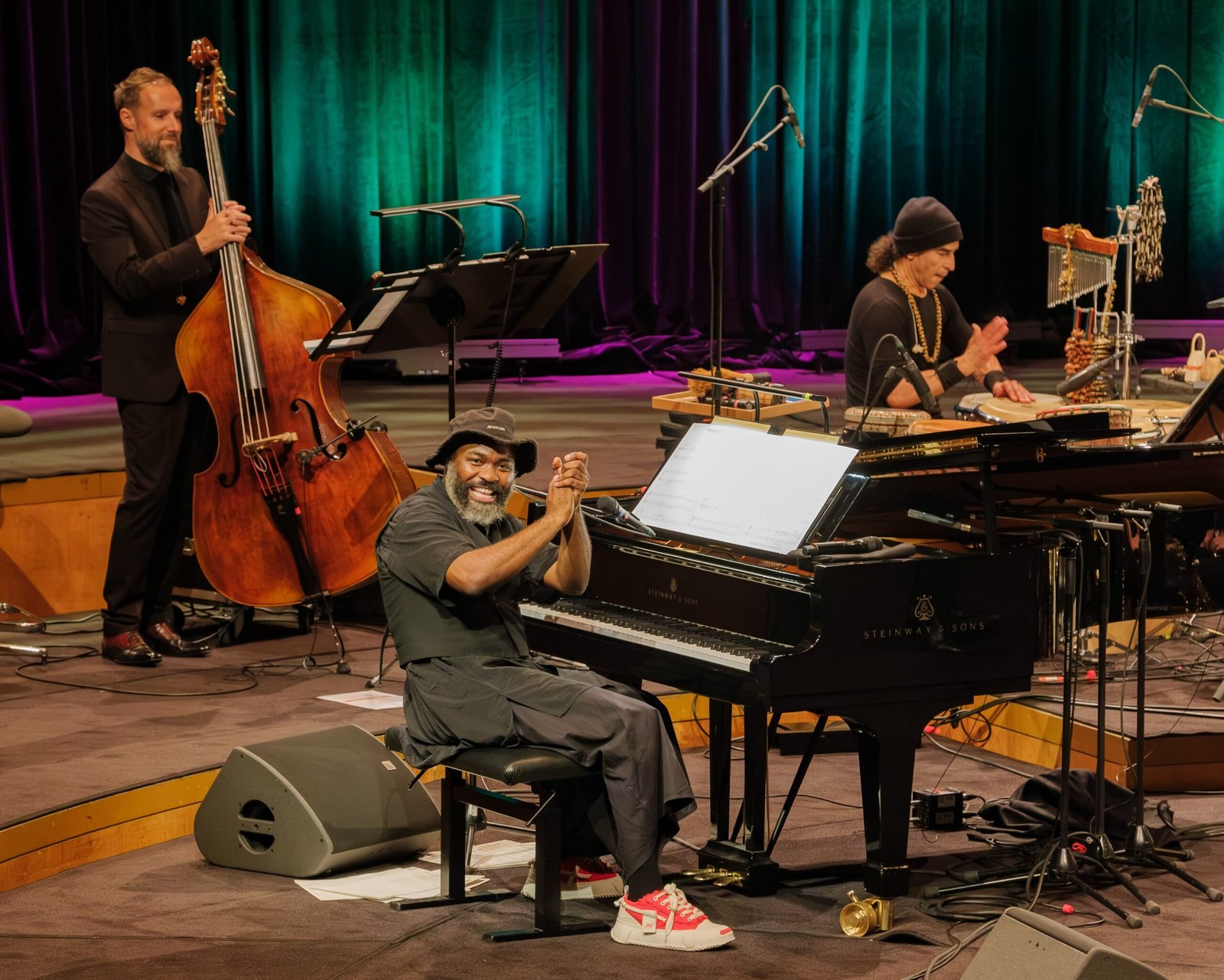
If Kabza De Small and Kelvin Momo demonstrate how jazz can move into popular dance music, pianist and composer Nduduzo Makhathini is demonstrating how contemporary African jazz can move outward without abandoning its roots.
Makhathini has become one of the most internationally recognized figures in contemporary South African jazz. His work combines jazz improvisation with Zulu musical traditions, spirituality, and the cultural memory of South Africa.
His international profile expanded significantly after signing with Blue Note Records. His 2020 album Modes of Communication: Letters From the Underworlds became his Blue Note debut, followed by In the Spirit of Ntu in 2022 and uNomkhubulwane in 2024.
In 2026, Makhathini released The Myth We Choose, his fourth Blue Note album. The project features collaborations with artists including Shabaka, South African guitarist Keenan Ahrends, trumpeter Robin Fassie, and DJ and producer Black Coffee.
The collaboration with Black Coffee is particularly revealing. Black Coffee is one of Africa’s biggest electronic artists, while Makhathini comes from a contemporary jazz tradition. Their intersection shows how porous the boundaries between African jazz and electronic music have become.
Makhathini’s music is also deeply connected to South African history and cultural traditions. His success suggests that African jazz does not need to imitate American or European jazz traditions to reach international audiences. It can draw from local histories, languages, spirituality, and indigenous musical structures and still travel.
Thandi Ntuli, the Pianist and Vocalist Making Jazz Feel Intimate and Contemporary
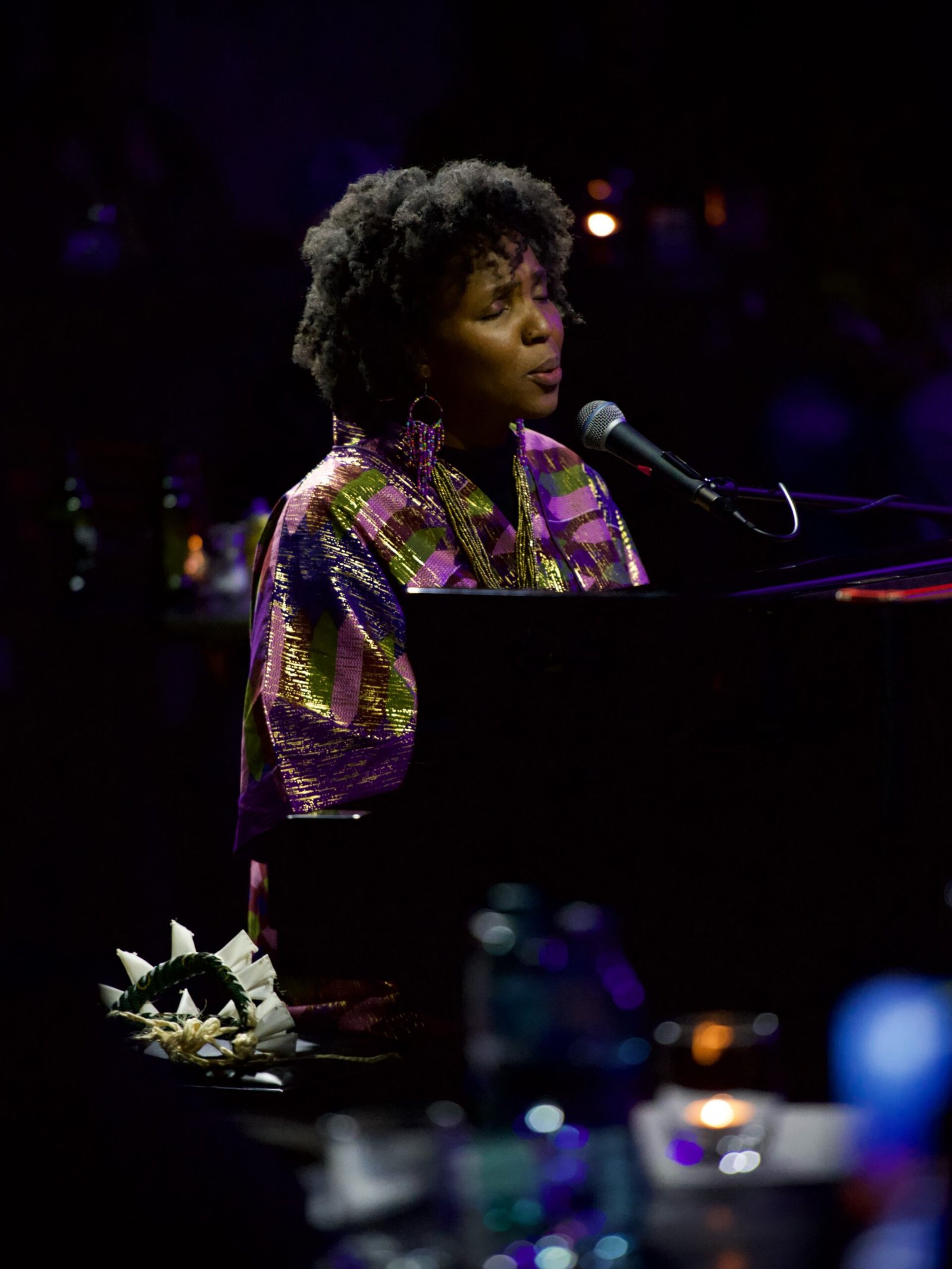
Thandi Ntuli represents another side of the new South African jazz movement. Her work has consistently challenged the idea that jazz needs to sound traditionally “jazzy.” She combines jazz improvisation with South African musical traditions, spirituality, voice, and experimental production.
Her 2023 project Rainbow Revisited, made with producer and multi-instrumentalist Carlos Niño, pushed that approach further. The album incorporated Xhosa and Zulu melodic traditions alongside gospel and experimental elements, creating a sound that’s intimate rather than conventionally expansive.
Ntuli’s importance lies partly in how she treats jazz as a space for emotional and cultural exploration. The music does not need to announce its jazz credentials at every turn. It can simply exist as contemporary African music that happens to draw from jazz. That makes the genre more accessible to listeners who may never describe themselves as jazz fans.
Msaki Sits at the Intersection of Jazz, Pop, and Electronic Music
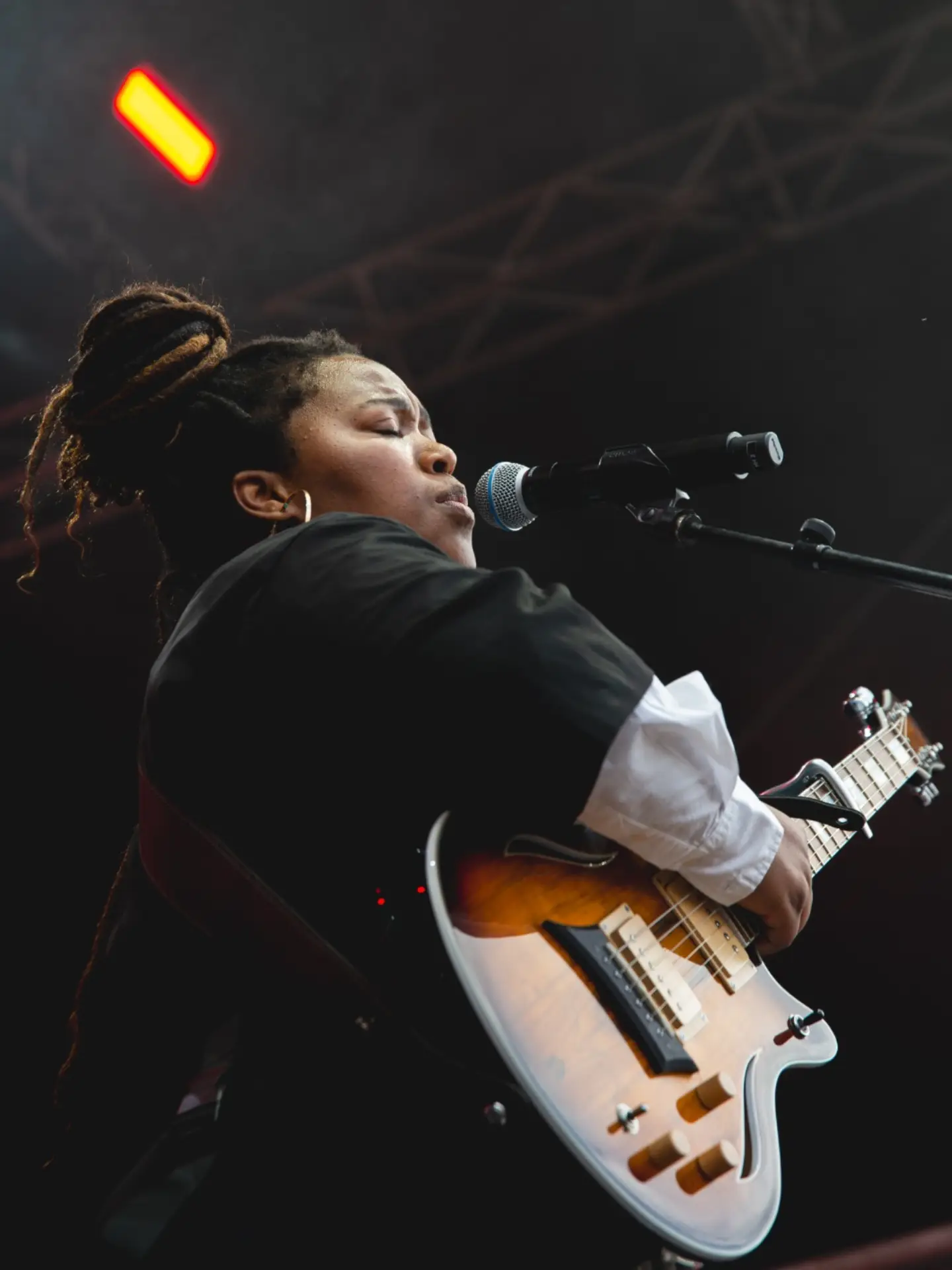
South African singer and songwriter Msaki has also become an important bridge between jazz and contemporary popular music. Her music moves between folk, R&B, Afro-house, electronic music, hip-hop, jazz, and Amapiano. She has worked with major South African producers, including Black Coffee and Prince Kaybee, and has collaborated internationally with artists like Diplo and Låpsley.
Her music shows how jazz influence can operate without becoming the central marketing identity. Msaki can write a song that feels immediately accessible while retaining the harmonic sophistication, vocal phrasing and improvisational sensibility associated with jazz.
BCUC, the band Turning Jazz Into a Collective Experience

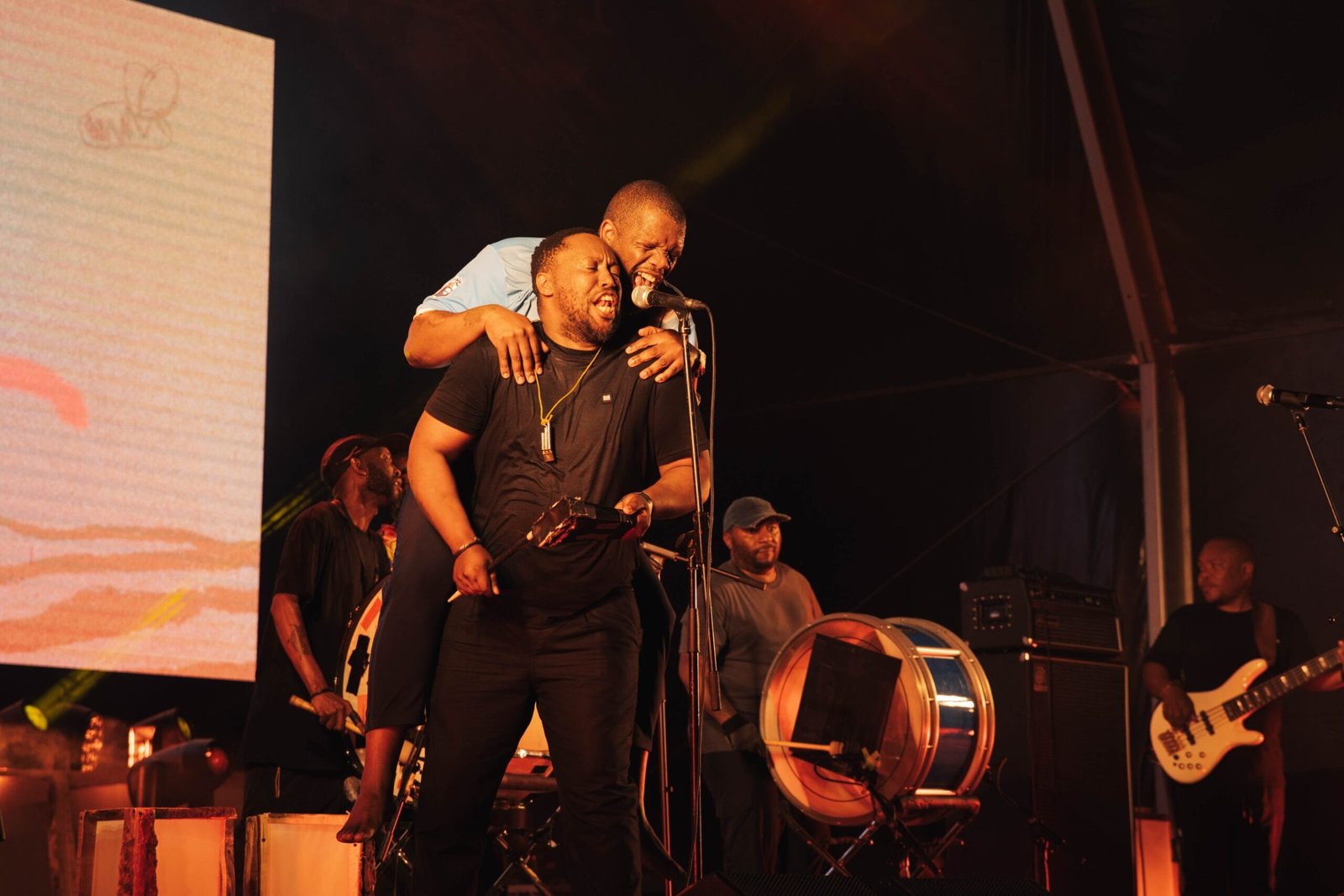
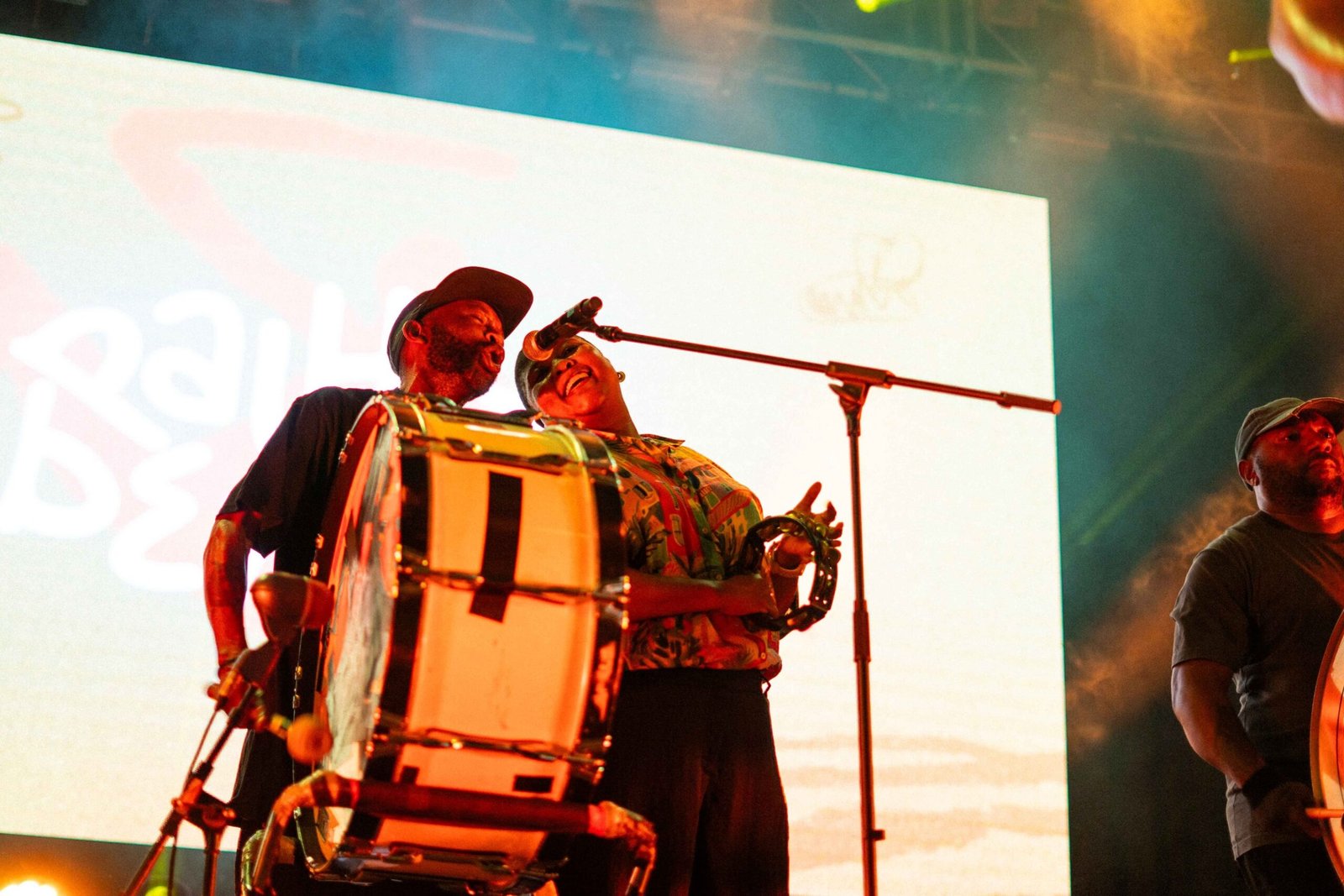
Johannesburg collective Bantu Continua Uhuru Consciousness (BCUC) takes a different route. The seven-member band from Soweto describes their music as a fusion of indigenous African music, jazz, blues, funk, punk, Kwaito, hip-hop, gospel, and ritual rhythms. Their performances are built around percussion, vocals, movement, and collective energy.
Rather than presenting jazz as a polished concert-hall tradition, BCUC treats it as something communal and physical. Their music is rooted in South African township culture while drawing from a broad spectrum of Black musical traditions. The group also performs in all 11 of South Africa’s official languages, further grounding its work in the country’s cultural diversity. For BCUC, improvisation, rhythm, and collective participation are inseparable.
Ethiopia’s Ethio-Jazz Legacy Still Shapes the Present
South Africa is not the only place where jazz has become intertwined with African pop music. In Ethiopia, the relationship is much older.
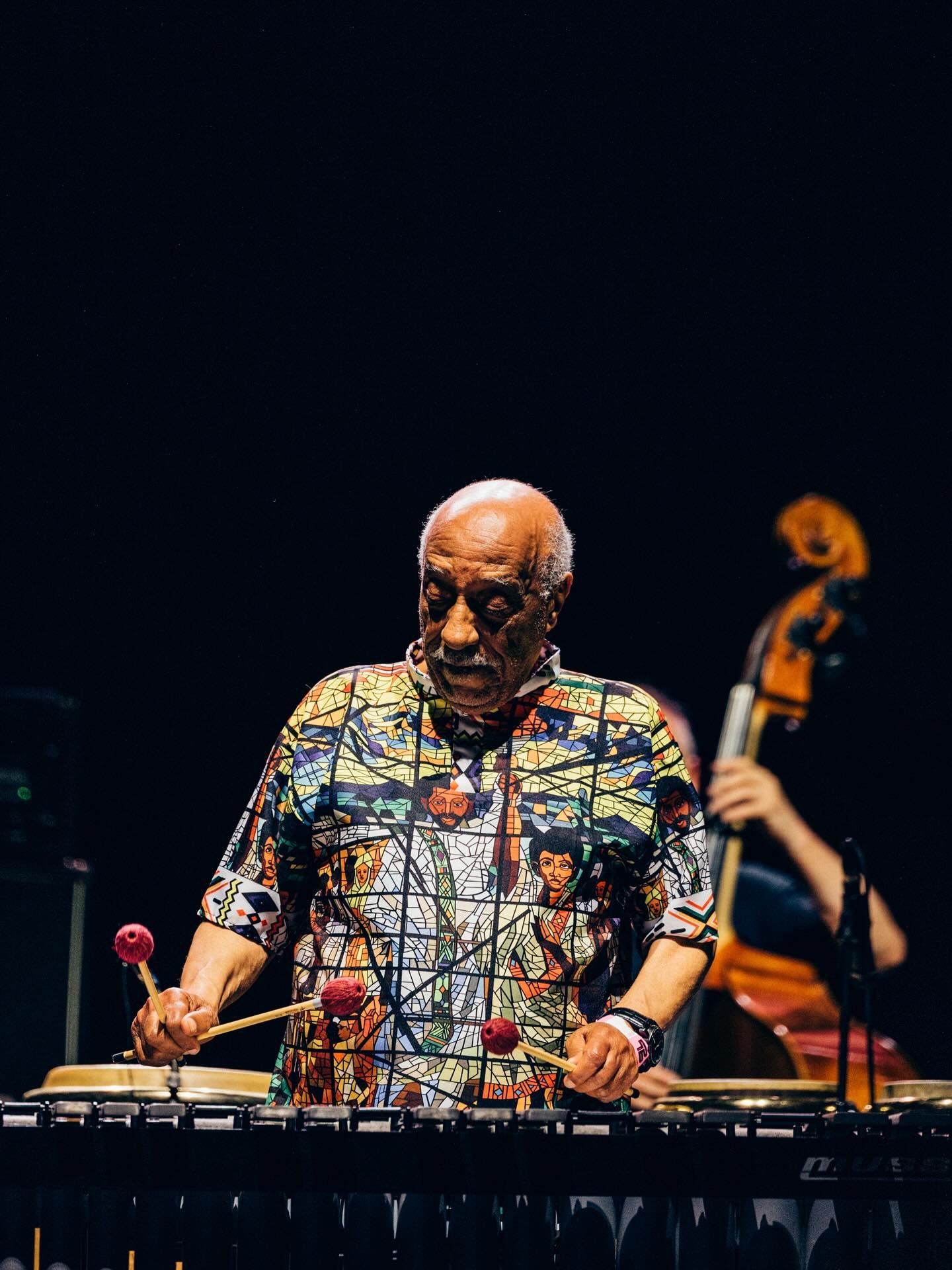
Mulatu Astatke is widely recognized as the pioneer of Ethio-jazz, a style that combines Ethiopian musical traditions with jazz, funk, and Afro-Latin influences.
Astatke studied in the United Kingdom and the United States and became the first African student at Berklee College of Music. He subsequently developed a distinctive musical language built around Ethiopian pentatonic scales and instruments, including the krar and masenqo.
His influence has extended far beyond Ethiopia. Ethio-jazz has experienced several international rediscoveries, introducing listeners around the world to the distinctive relationship between Ethiopian melodies and jazz improvisation.
At 82, Astatke remains active. In September 2025, he released Mulatu Plays Mulatu and continued performing and discussing the importance of preserving African musical traditions while expanding their global reach.
Nigeria’s Jazz Underground Has Its Own Story
Nigeria’s involvement in jazz has always been complicated by the country’s enormous pop music ecosystem. Afrobeats and Afrobeat dominate much of the international conversation, but beneath that visibility is a community of musicians exploring the relationship between jazz, highlife, Afrobeat, traditional percussion, and experimental music.
Trumpeter and bandleader Etuk Ubong is one of the clearest contemporary examples. Ubong describes his style as “Earth Music,” combining Afrobeat, Highlife and jazz with the ritualistic Ekombi drumming tradition of southeastern Nigeria. His music is energetic and heavily percussion-driven, while also addressing spirituality, social injustice and African identity.
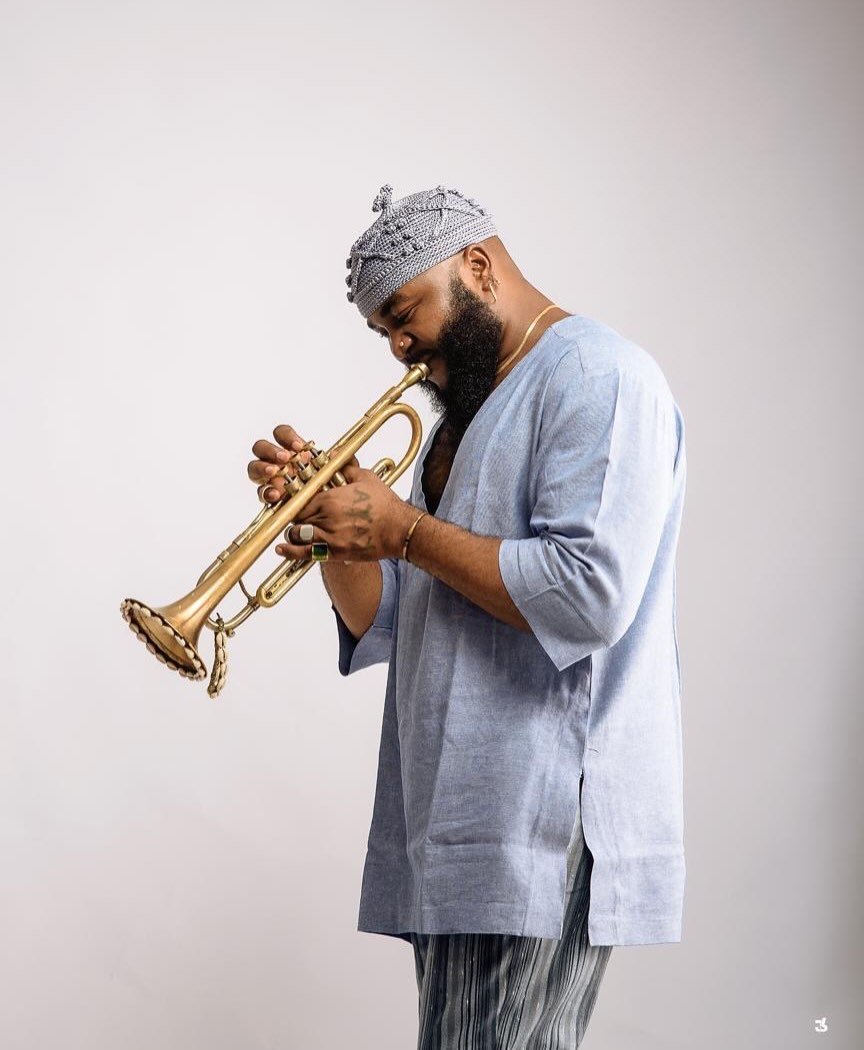
His approach reflects a broader possibility for Nigerian jazz. Rather than attempting to reproduce the sound of American jazz, contemporary musicians can use jazz improvisation as another layer within Nigeria’s already diverse musical vocabulary. This places jazz in conversation with Nigeria’s existing traditions rather than treating it as an imported form.
Kenya’s Alternative Scene Is Also Pulling Jazz Forward
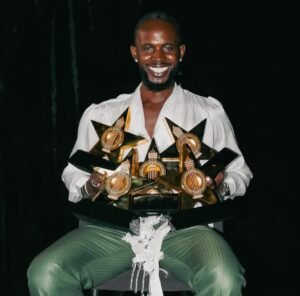
In East Africa, the relationship between jazz and contemporary alternative music is equally fluid. Kenyan musician, producer and DJ Bill Sellanga, known by his stage name Blinky Bill has built a sound that combines futuristic African beats with funk, hip-hop, pop, electronica and elements of jazz.
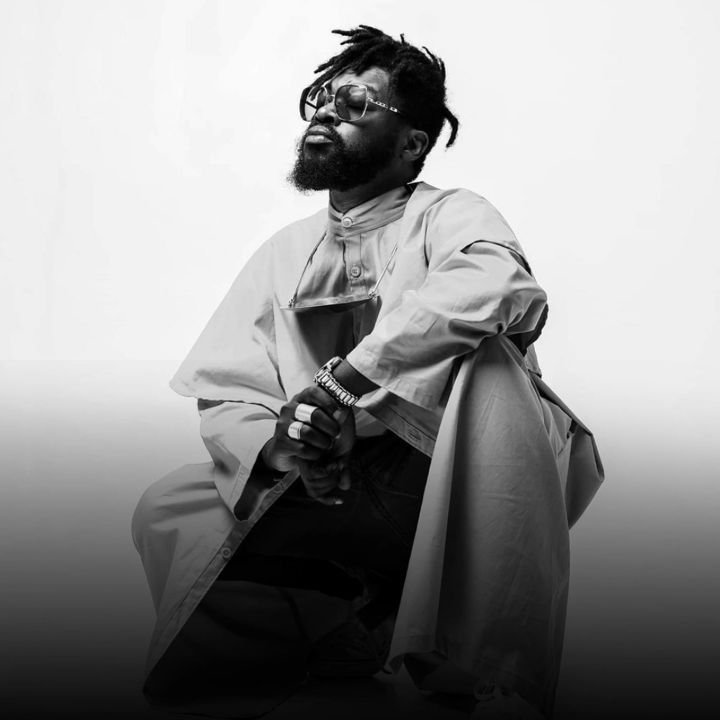
Before his solo career, he was a member of Nairobi’s influential alternative group Just A Band. His work illustrates another way jazz can enter contemporary African music: through experimentation.
Instead of reproducing the conventions of a jazz ensemble, artists such as Blinky Bill take elements of jazz and place them alongside electronic production, hip-hop, and African rhythms, giving us music that belongs not only to Nairobi’s alternative scene but also to a traditional jazz category.
Zambia’s Sampa the Great Shows How Jazz Can Meet Hip-Hop
The connection between jazz and hip-hop has a long global history, and Zambian artist Sampa the Great has carried it into contemporary African music.
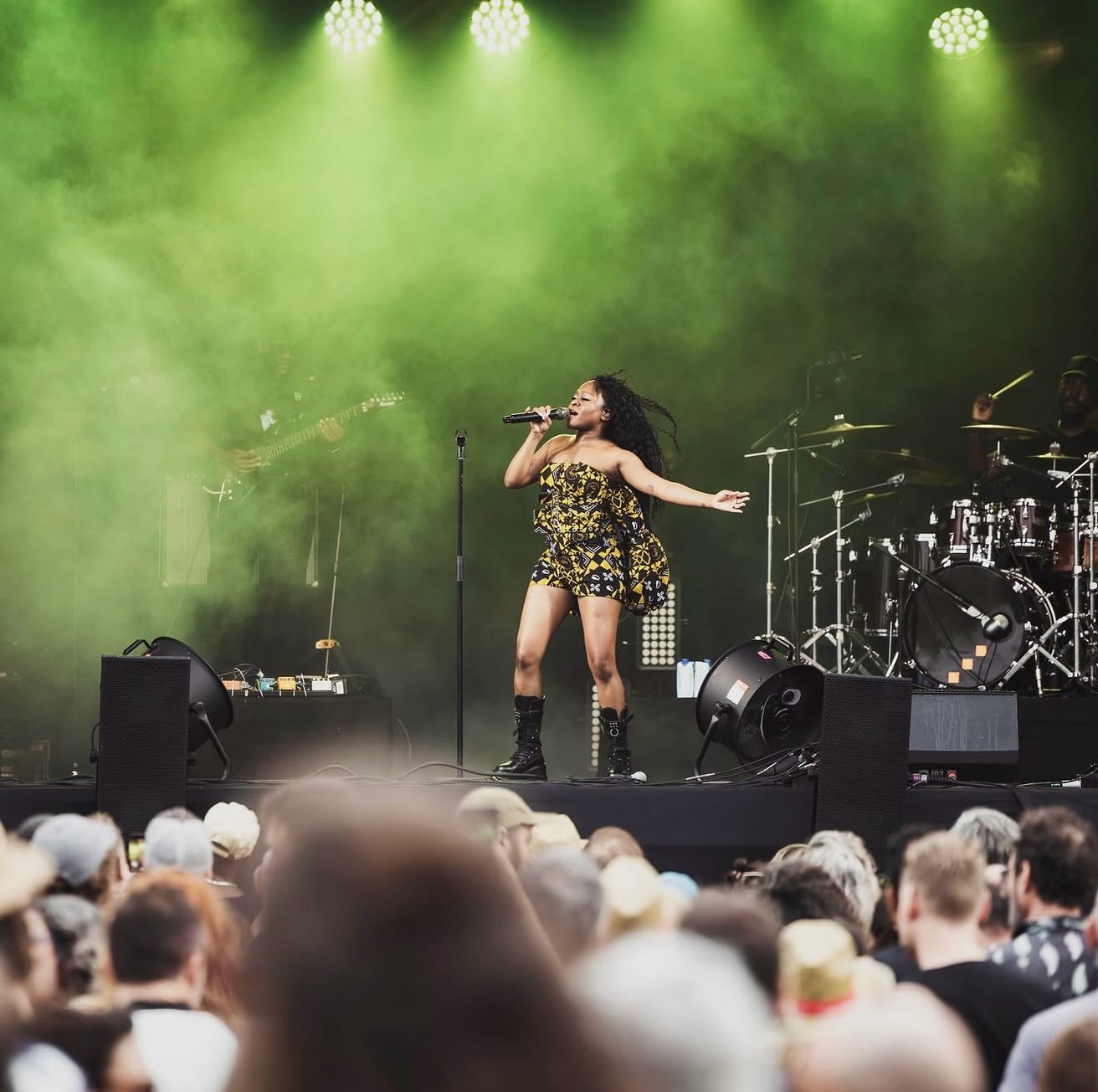
A rapper, singer, songwriter, and poet, Sampa has built a sound that moves across hip-hop, soul, and African musical traditions. Her early musical development was also connected to jazz and hip-hop freestyle spaces, while her work has foregrounded her Zambian identity and African heritage.
Her 2019 album The Return became an important statement of African identity, while her later work continued expanding the relationship between rap, traditional sounds, and contemporary production.
Sampa’s career demonstrates that the future of jazz influence in African music does not necessarily belong only to musicians carrying instruments on stage. It can also exist in the rhythm of a rapper’s delivery, the structure of a composition, the use of live instrumentation, and the improvisational spirit of a song.
The Mainstream Is Changing
What connects these artists is not necessarily a single sound. It is their approach to music. They are pushing jazz forward to the mainstream. They are not treating the genre as something that needs to be preserved behind glass. They are taking its most useful qualities, including improvisation, musicality, harmonic freedom, and live instrumentation, and placing them inside contemporary African music.
That is why the influence of jazz can be heard in places where listeners may not immediately recognize it. It is in the sophisticated chords of Amapiano, the spiritual improvisation of contemporary South African jazz, the fusion of Nigerian percussion and Afrobeat, and it is also in alternative African hip-hop and electronic music.
We can also see it in the work of artists who refuse to choose one genre at all. African music is becoming more interconnected, experimental, and genre-fluid. Jazz, rather than disappearing from the mainstream, is quietly becoming part of it, and it is already influencing what the mainstream sounds like.