A debut album is more than just an artist’s first full-length studio release; it is the record that introduces their voice and artistic identity to the world. While many artists take years to refine their sound after debuting, a select few arrive with albums so assured, influential, and culturally resonant that they immediately redefine expectations and shape the future of African music.
For this list, Rolling Stone Africa considered only artists whose first commercially released studio albums arrived in the 21st century. Selections were based on a combination of artistic excellence, originality, critical acclaim, commercial success, cultural impact, influence on African music and pop culture, and the enduring legacy each album has built since its release. Rather than rewarding sales alone, these are the records that transformed promising newcomers into defining voices of a generation.
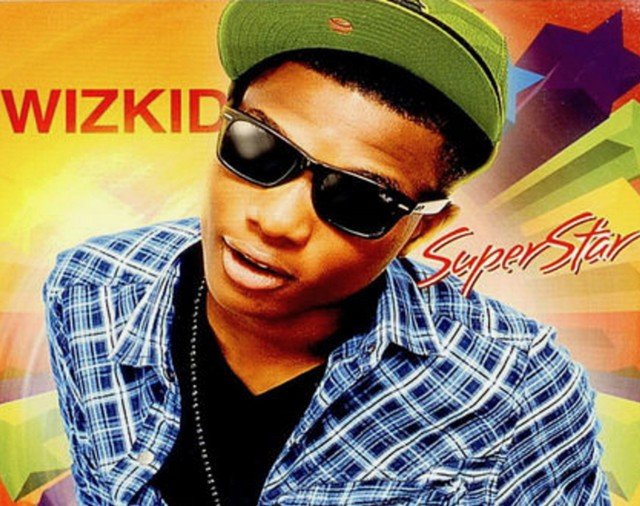
Face 2 Face (2004) — 2Baba
This album was a major hit, selling up to 2 million copies. Following the success of Plantashun Boiz, the solo debut showed that 2Baba, formerly called 2Face Idibia, could thrive on his own, combining reggae, R&B, pop, and African rhythms into a timeless body of work.
The album’s signature hit, “African Queen,” became one of the most influential African songs ever recorded, opening international doors for Nigerian pop music and becoming a continental anthem. More than 20 years later, Face 2 Face remains a benchmark for songwriting, melody, and crossover appeal.
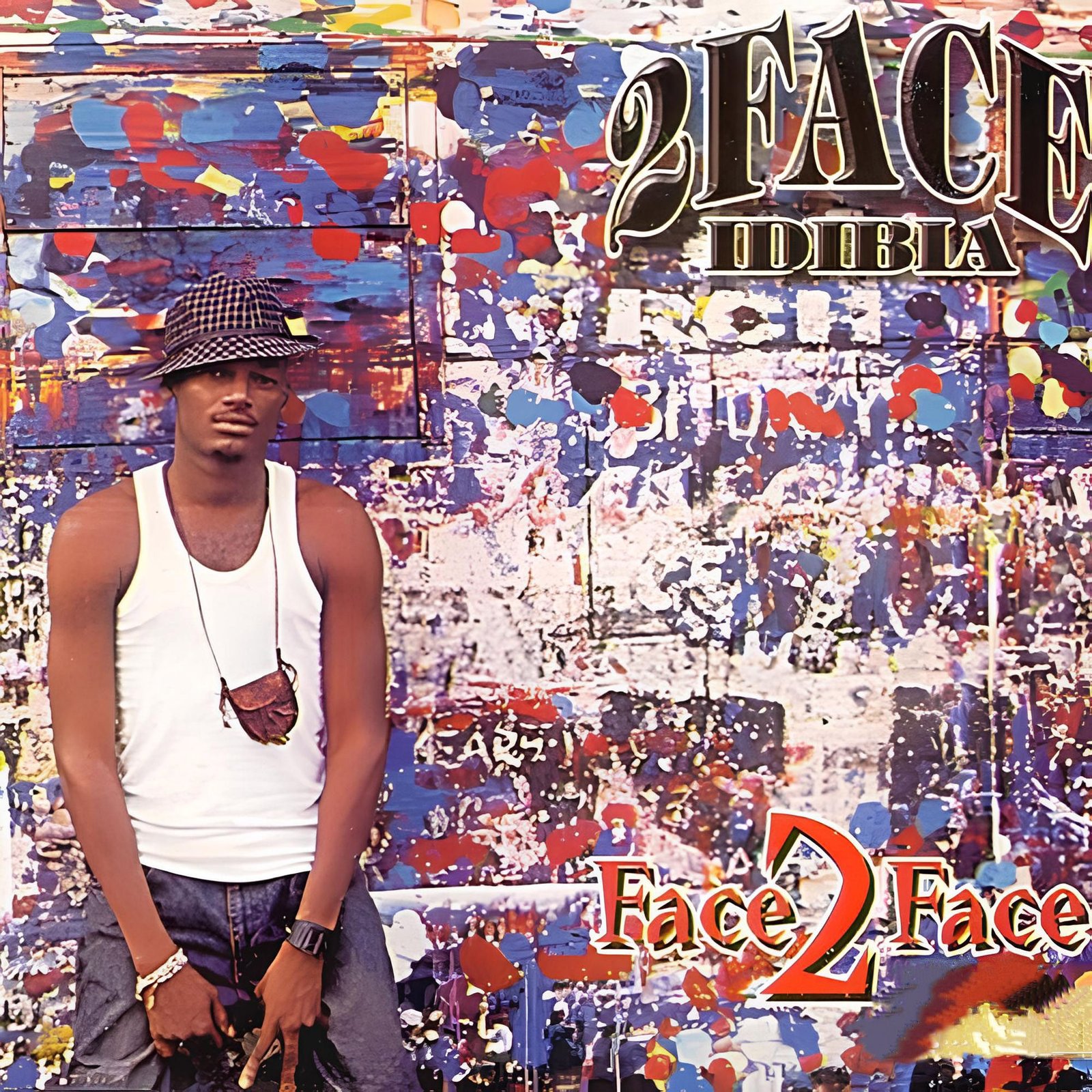
Africa to the World (2018) — Sun-El Musician
With Africa to the World, Sun-El Musician created one of the defining electronic albums in modern African music. Seamlessly blending Afro-house, soul, and deep house, the South African producer crafted a record that felt both deeply rooted in homegrown traditions and universally accessible.
Featuring standout tracks such as “Akanamali” and “Sonini,” the album became a cultural phenomenon across South Africa and was certified platinum by the Recording Industry of South Africa (RiSA). Its sophisticated production and emotional storytelling elevated Afro-house onto larger international stages, inspiring a new generation of producers while reinforcing South Africa’s influence on global dance music.
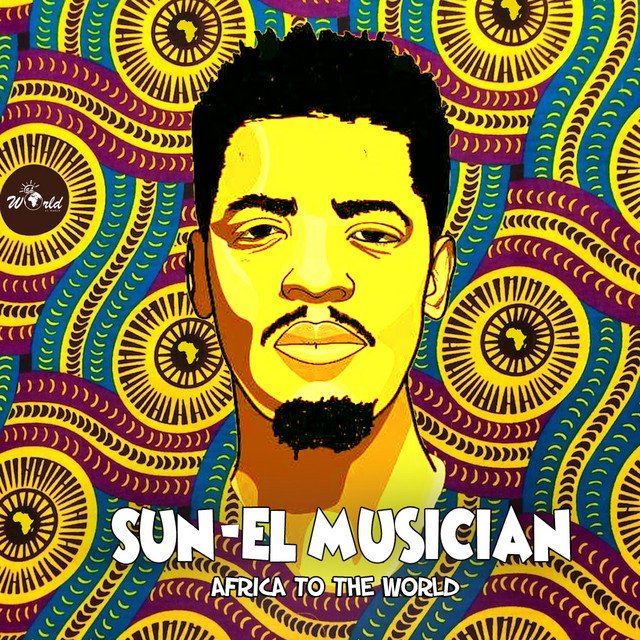
Superstar (2011) — Wizkid
Before sold-out stadium tours and Grammy recognition, there was Superstar. Wizkid’s debut album helped usher Afrobeats into a new era, introducing a youthful, polished sound that appealed to listeners far beyond Nigeria.
Including classics like “Holla at Your Boy,” “Tease Me/Bad Guys,” “Pakurumo,” and “Don’t Dull,” the album produced multiple enduring hits and established Wizkid as one of the continent’s brightest stars. More than a commercial success, Superstar became a blueprint for modern Afrobeats, influencing countless artists who followed.

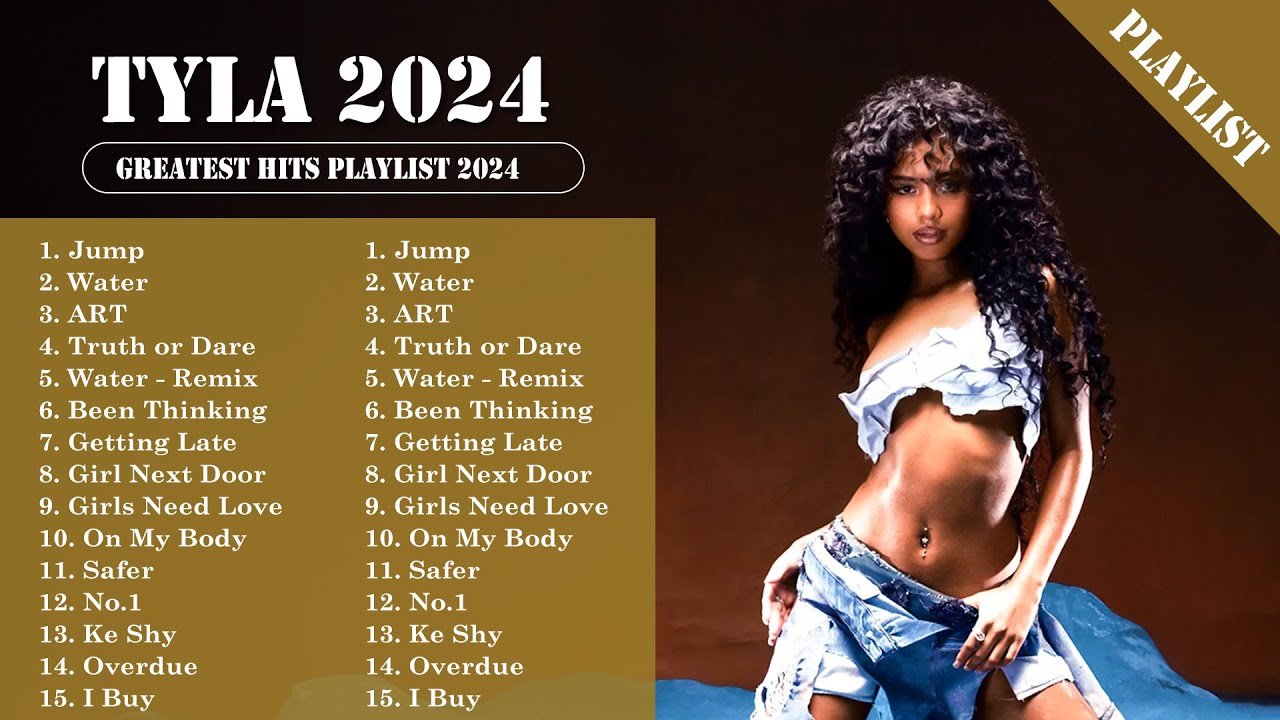
Tyla (2024) — Tyla
Arriving after the worldwide success of the Grammy-winning single “Water,” the self-titled debut studio album by Tyla showed that the singer was far more than a viral sensation. Drawing from Amapiano, Afropop, R&B, and pop, Tyla introduced a polished sound that appealed to audiences across continents.
The project positioned South African music firmly within mainstream global pop conversations while showcasing Tyla’s versatility, charisma, and star power. The Tyla album also made history by landing 12 singles on the Billboard U.S. Afrobeats Chart at the same time.
Mr. Money with the Vibe (2022) — Asake
Blending Fuji-inspired vocals with Afrobeats, Amapiano, and street pop, the album delivered an energetic sound that felt unmistakably Nigerian while resonating with global audiences.
Hits including “Joha,” “Terminator,” “Peace Be Unto You (PBUY),” and “Sungba” showed Asake’s ability to balance infectious hooks with rich Yoruba musical influences. The album became one of the most streamed African projects of its time and cemented Asake as one of the defining artists of Afrobeats’ global expansion.

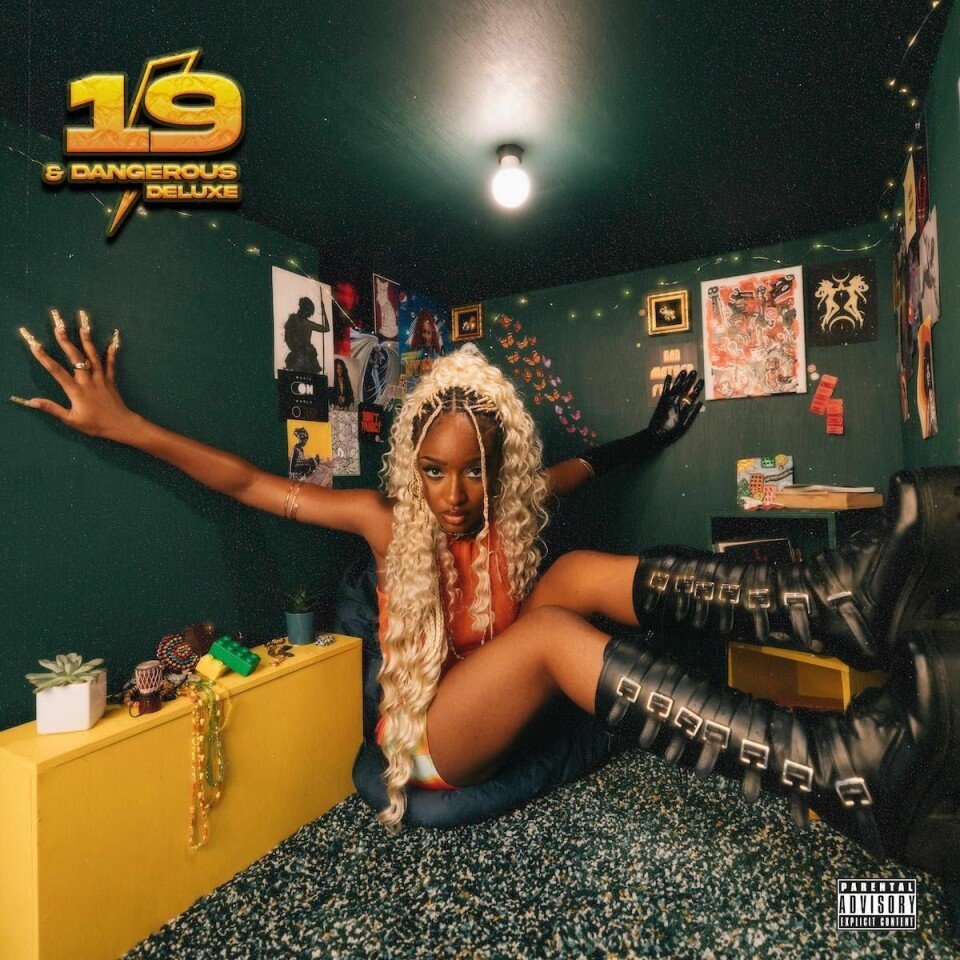
19 & Dangerous (2021) — Ayra Starr
Released when Ayra Starr was just 19, the album announced one of Afrobeats’ most exciting new voices. Blending Afropop, R&B, soul, and alté influences, she explored themes of self-belief, vulnerability, ambition, and young love with remarkable poise.
Songs such as “Bloody Samaritan,” “Fashion Killer,” and “Beggie Beggie” quickly became fan favorites, while “Bloody Samaritan” made history as the first solo song by a Nigerian female artist to top the country’s major streaming charts. The 19 & Dangerous album helped redefine the role of women in contemporary Afrobeats, proving that commercial success and artistic individuality could go hand in hand.
Great debut albums do more than introduce artists; they redefine genres, inspire future generations, and capture cultural moments that endure long after the charts have moved on.
The artists remind us that every global icon begins with a first album. In these cases, that first step was not merely promising; it was history-making.