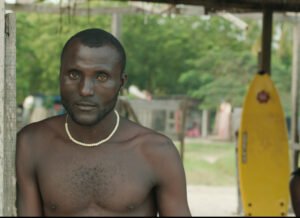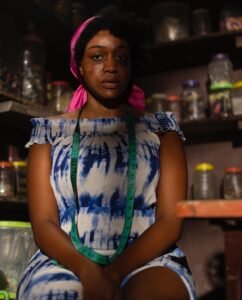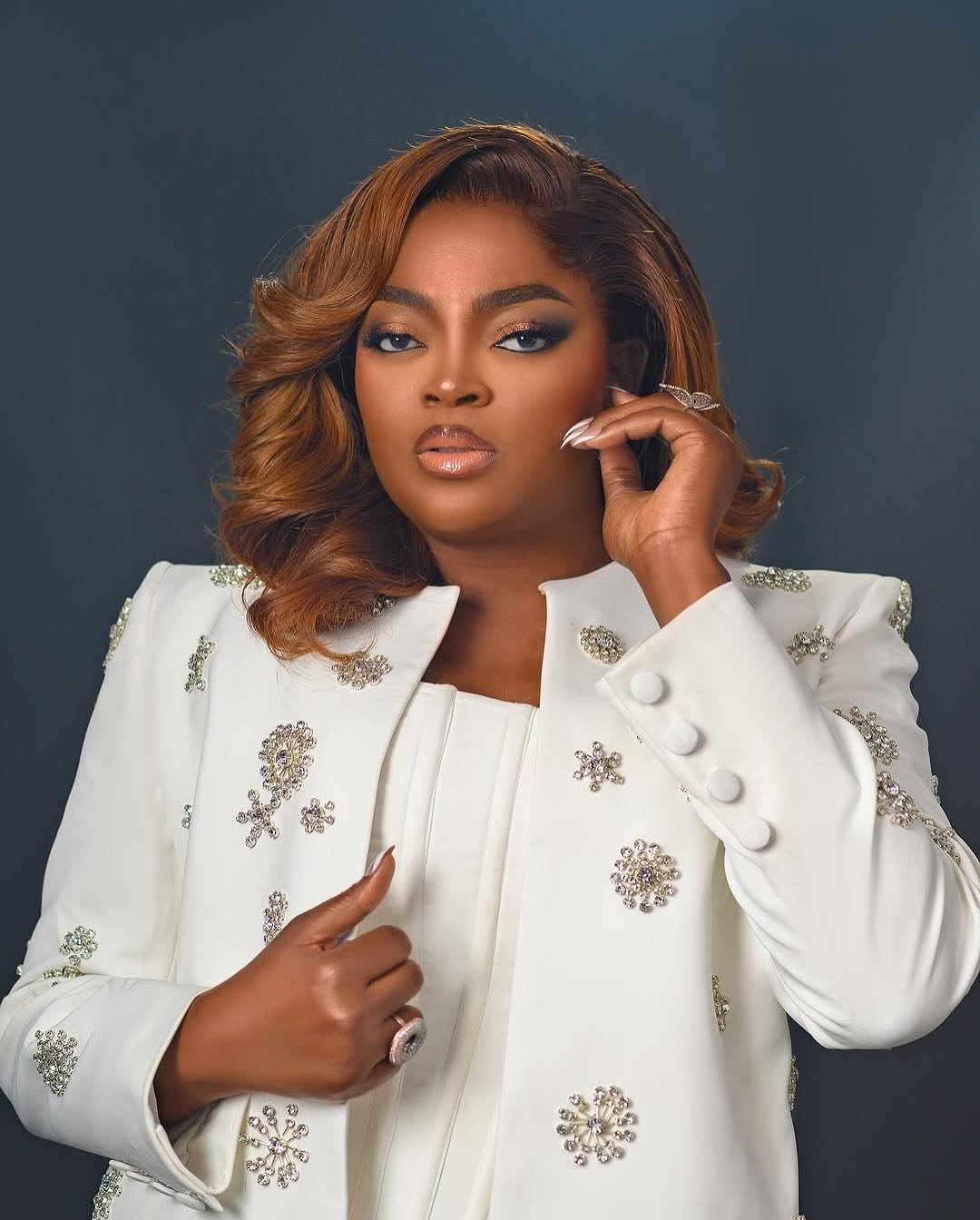
Nollywood is no longer just one of the world’s most prolific film industries; it’s quickly becoming one of the most influential. From Netflix premieres and international film festivals to record-breaking box office hits and global streaming audiences, Nigerian cinema is connecting with viewers far beyond Africa.
This transformation is driven by filmmakers who understand that success today requires more than just great stories. It demands vision, scale, consistency, and the ability to compete on a global stage.
As audiences worldwide embrace stories grounded in African experiences, Nollywood has become one of the continent’s strongest cultural exports. Leading this change are filmmakers who have raised production standards, built international partnerships, attracted new viewers, and redefined what Nigerian cinema can achieve.
Their approaches may differ, but their impact is clear. Through ambitious storytelling, strategic thinking, and a deep belief in African narratives, they are turning Nollywood from a local success into a global brand.
1. Mo Abudu
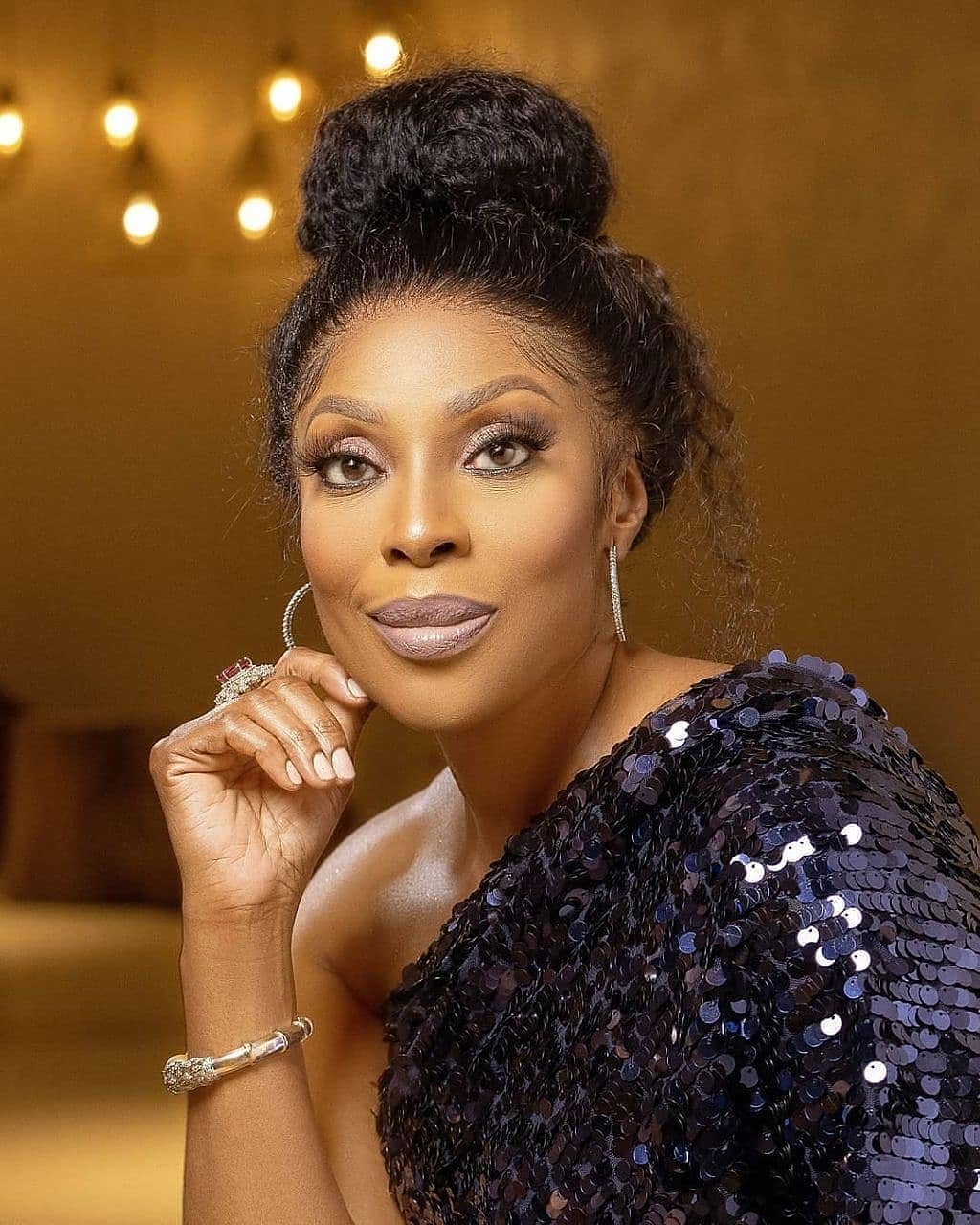
Long before the world took notice of Nigerian cinema, she was busy creating a media empire focused on showcasing African stories. Through EbonyLife Media, she has built one of Africa’s most influential entertainment companies, producing films and TV shows and forging key partnerships that have put African storytelling on the global map. What truly sets Abudu apart is her vision for scale. While many focus on individual projects, she invests in building the entire ecosystem. Her aim isn’t just to make hits but to establish a sustainable platform where African stories can compete worldwide.
Her vision has led to some of Nollywood’s biggest commercial and cultural successes. EbonyLife has executive-produced or co-produced major titles like The Wedding Party, one of Nollywood’s highest-grossing films; Blood Sisters, Netflix’s first Nigerian original series; Òlòtūré, a powerful human trafficking drama that resonated globally; and Elesin Oba, The King’s Horseman, the acclaimed adaptation of Wole Soyinka’s classic play. Together, these projects have introduced global audiences to the richness and diversity of Nigerian storytelling.
2. Kunle Afolayan
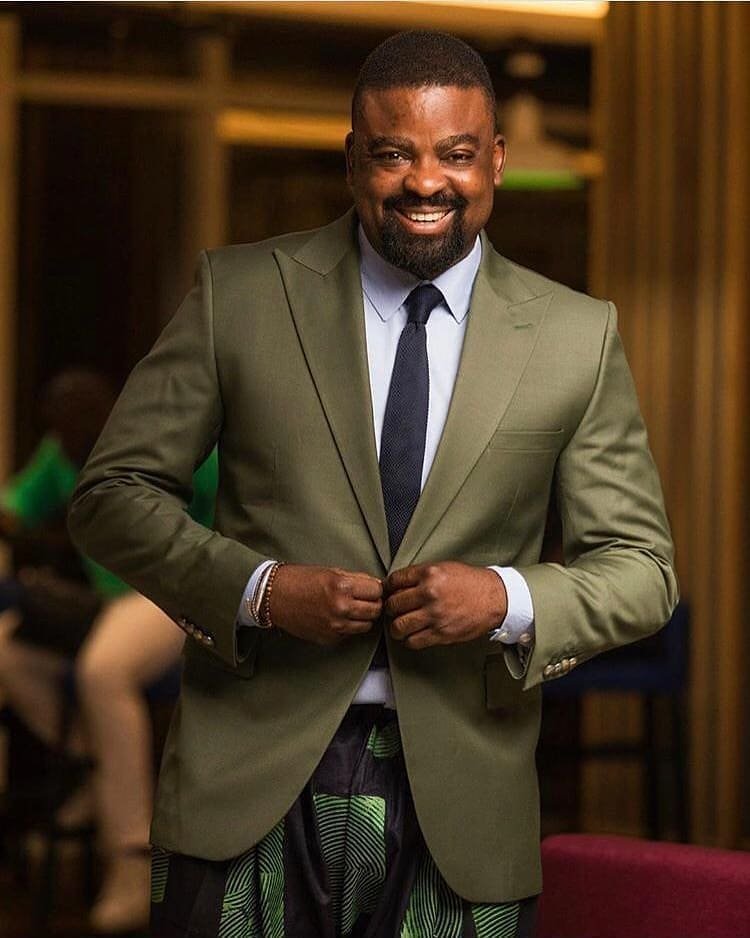
Every film industry needs a visionary who raises the bar for everyone else. For Nollywood, that person is Kunle Afolayan. Over the past two decades, he has been a key force in shaping modern Nigerian cinema, focusing on cinematic quality, compelling storytelling, technical excellence, and cultural authenticity. His acclaimed films, The Figurine and October 1, helped define the “New Nigerian Cinema” movement. The films showed that local stories could be told with the visual ambition and narrative depth of international cinema, changing expectations for both audiences and industry professionals.
Afolayan’s dedication to quality reached unprecedented levels with Aníkúlápó, the 2022 Yoruba-language fantasy epic that achieved global acclaim. Within days of its release, it topped Netflix’s global chart for non-English films, introducing millions to a story deeply rooted in Yoruba culture. Its success proved that authentic African stories can resonate worldwide without losing their cultural identity. The impact of Aníkúlápó extended far beyond a single film. Its popularity led to the creation of Aníkúlápó: Rise of the Spectre, a spin-off series that further expanded the franchise and demonstrated the growing global appetite for premium Nigerian content. Together, these projects demonstrate Nollywood’s ability not only to create internationally successful films but also to build cinematic experiences that keep audiences engaged.
3. Kemi Adetiba
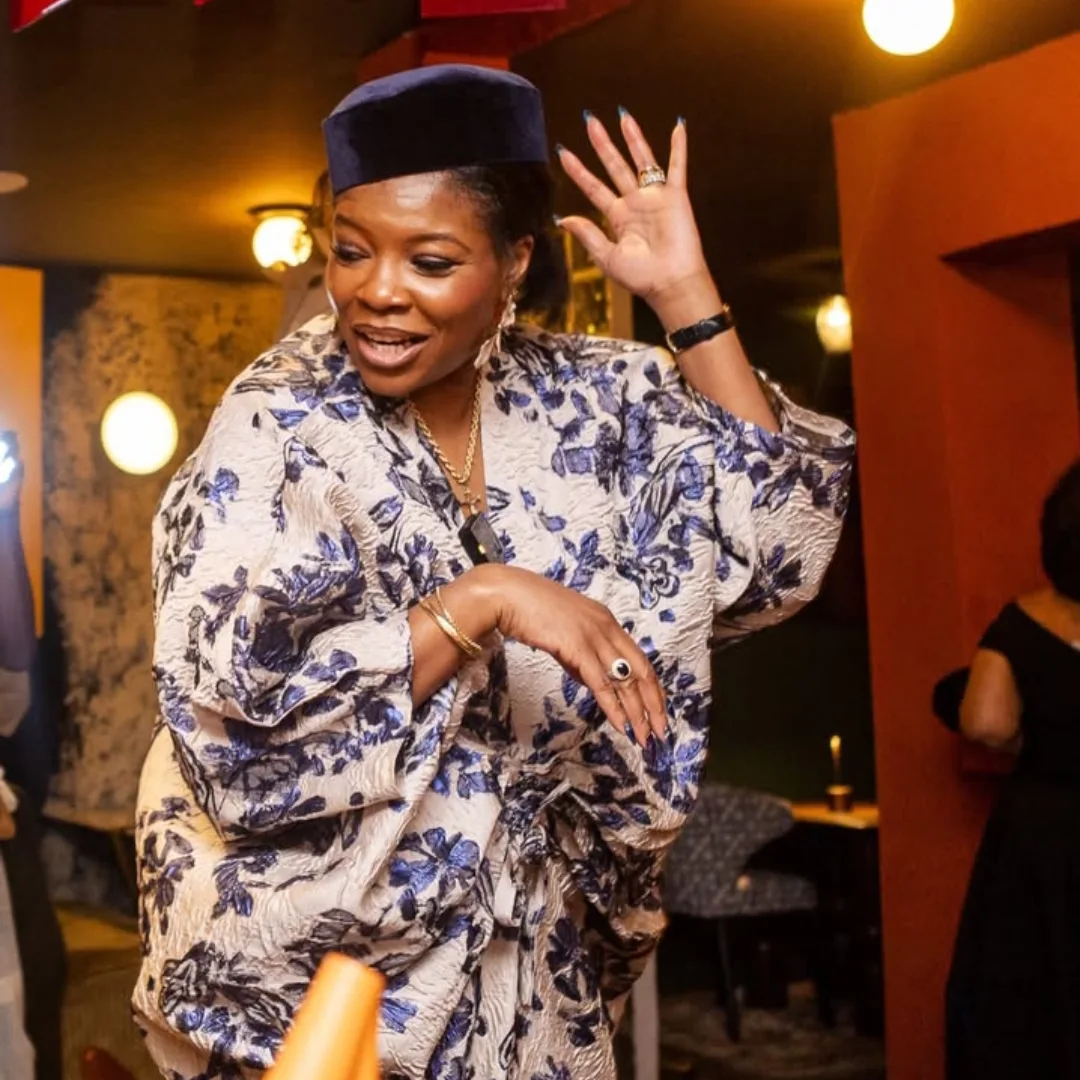
When it comes to modern Nollywood blockbusters, Kemi Adetiba’s name is always part of the conversation. She has consistently pushed Nigerian filmmaking beyond its usual limits. Her work has helped redefine what audiences expect from local productions while proving that Nigerian stories can capture global attention. Her breakthrough came with The Wedding Party (2016), a romantic comedy that broke box office records and became a cultural phenomenon. More than just a hit, it marked a new era for Nollywood—showing that local films could be both popular and internationally recognized. The premiere of the film at the Toronto International Film Festival (TIFF) clearly indicated that Nigerian cinema was attracting interest beyond Africa.
Adetiba’s biggest impact may be her willingness to take creative risks. With King of Boys, she delivered one of Nigeria’s most ambitious crime thrillers, filled with political intrigue and gritty storytelling. The film earned praises and developed a passionate fan base, becoming a cultural landmark. She expanded this story with King of Boys: The Return of the King, a Netflix original series that became a streaming hit and cemented her reputation as one of Africa’s most compelling storytellers. In 2025, she kept that momentum with To Kill a Monkey, another Netflix series she wrote, produced, and directed—showcasing her versatility and distinct creative voice across genres.
4. Jade Osiberu
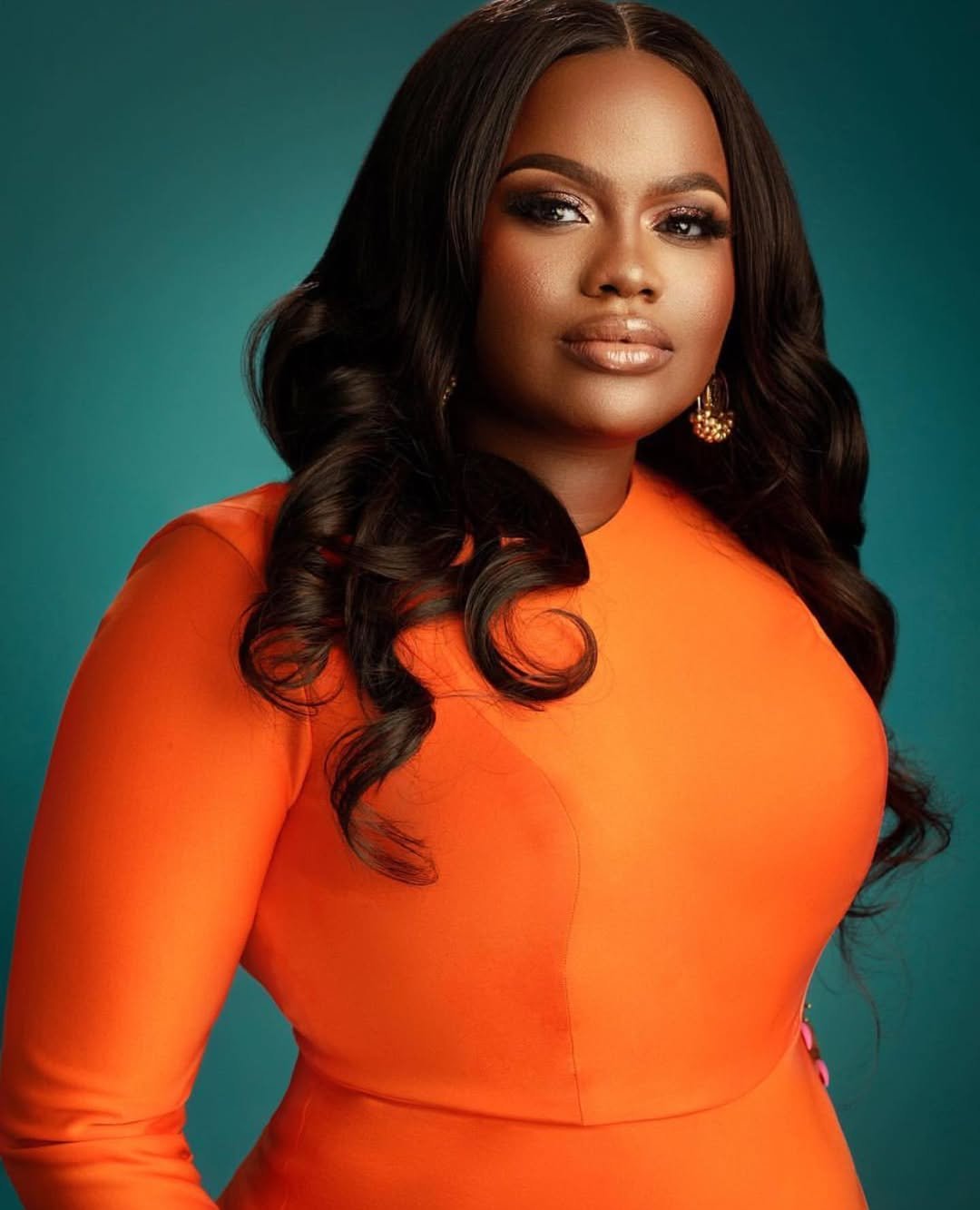
From romantic dramas like Christmas in Lagos to intense crime thrillers, her work consistently shows a sharp understanding of what modern audiences want. Through her production company, Greoh Studios, Osiberu has led projects that prove contemporary Nigerian stories resonate far beyond local borders. Her breakout success came with major Nollywood hits like Brotherhood and Gangs of Lagos—films that redefined Nigerian crime storytelling with their cinematic intensity, urban realism, and youthful energy.
These projects are part of a larger movement toward premium African genre films that can compete on a global scale. But Osiberu’s influence goes beyond individual titles. Her biggest milestone was signing a historic three-year exclusive overall deal with Amazon Studios. The agreement marked the first time an African filmmaker signed a multi-year exclusive content partnership with a global streaming giant, placing her in a rare category of international creators entrusted with shaping platform-defining content. Greoh Studios has become a proving ground for what modern Nollywood looks like in the streaming era. It is dynamic, ambitious, and unafraid to experiment with genre.
5. Funke Akindele
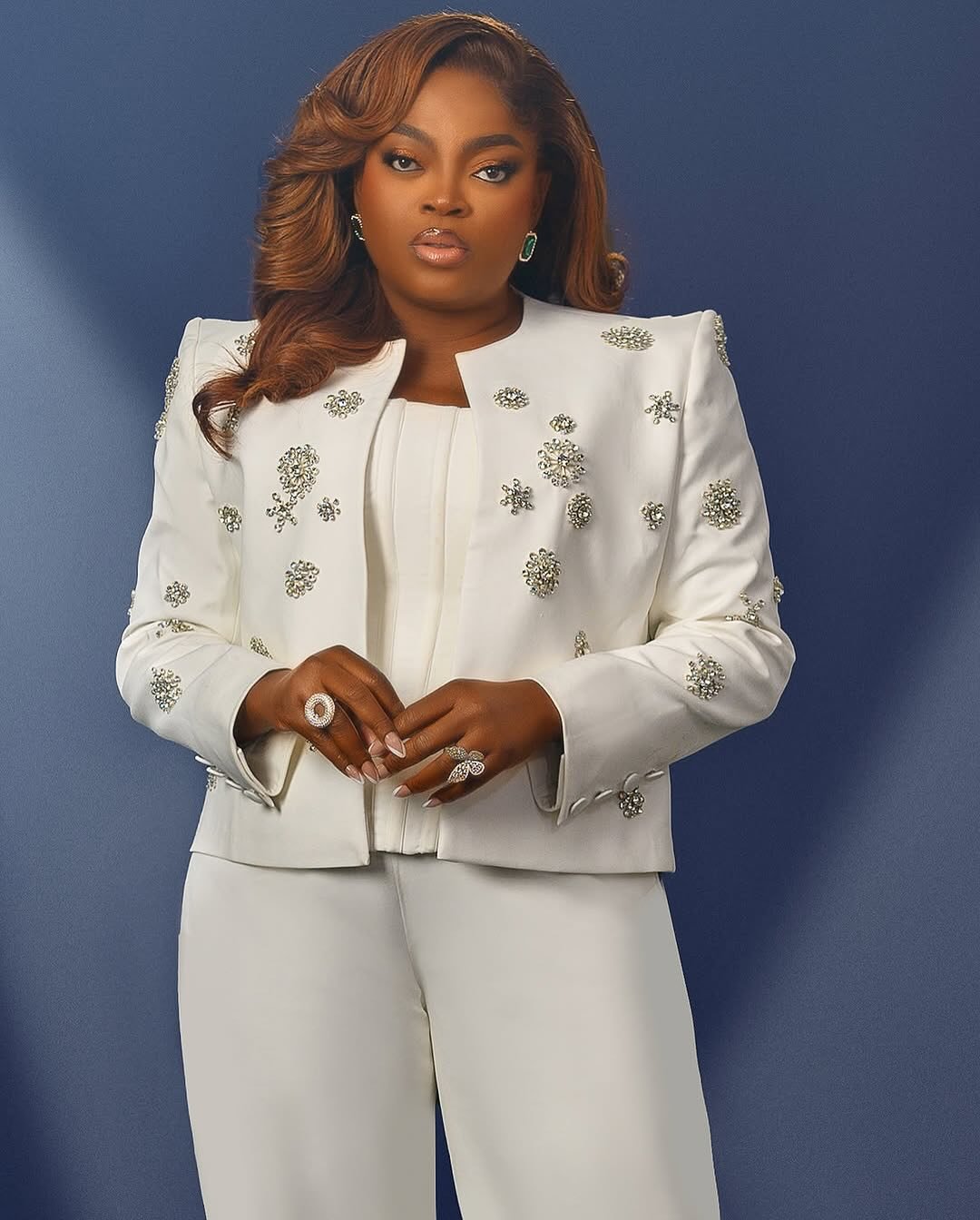
Few filmmakers in Africa connect with audiences quite like Funke Akindele. She has grown from a beloved actress into one of Nollywood’s most influential creative leaders. Her projects consistently attract huge audiences and break records. What sets Akindele apart is her deep understanding of everyday Nigerians—her stories feel relatable, familiar, and emotionally engaging, while still delivering the entertainment people love. She made history as the first filmmaker in West Africa to surpass ₦2 billion at the box office with her blockbuster Behind the Scenes, setting a new standard for what Nollywood films can achieve commercially.
Films like Omo Ghetto: The Saga, Battle on Buka Street, A Tribe Called Judah, and Everybody Loves Jenifa have become cultural landmarks, blending comedy, drama, and social themes that resonate with a wide range of viewers. Today, Funke Akindele holds multiple records for the highest-grossing Nollywood films, with total career box office earnings exceeding ₦5 billion. Her success puts her in a league of her own—defined not just by popularity but by real influence on the industry.