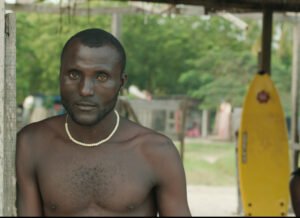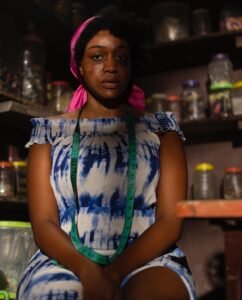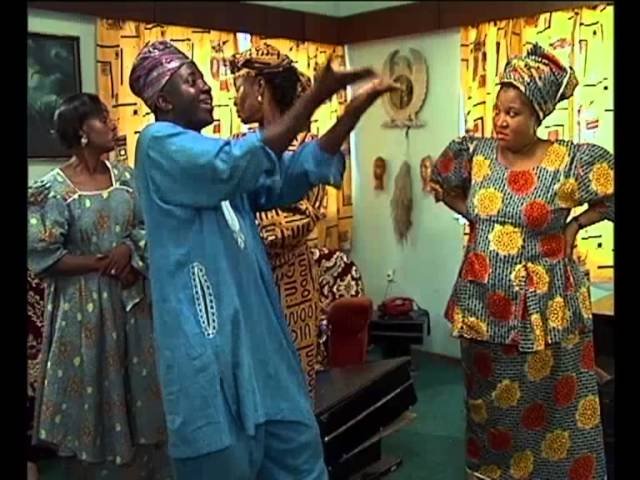
There is hardly a Nigerian millennial who doesn’t have a TV show that made their childhood. These TV shows were one of the sources of entertainment decades ago when there was no Netflix, YouTube, or TikTok.
The shows did not only entertain; they also taught moral lessons, sparked playground conversations, introduced unforgettable catchphrases, and helped shape Nigeria’s television culture before streaming platforms arrived.
From hilarious sitcoms to emotional family dramas, these are ten television shows that defined childhood and adolescence for millions of Nigerian millennials.
Tales by Moonlight
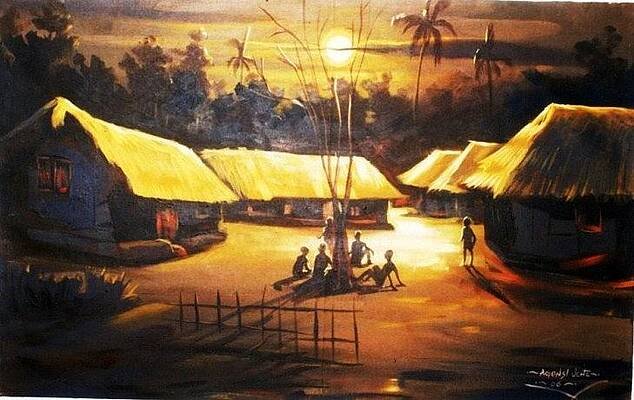
If there is one programme that perfectly captured Nigerian childhood, it was Tales by Moonlight. Shown Sunday evenings on Nigerian Television Authority (NTA) at 6:30PM on Sundays, the series recreated the traditional African storytelling experience for television audiences.
Every episode featured folktales filled with talking animals, clever tricksters, brave children, and timeless lessons about honesty, courage, greed, and kindness. The initial storyteller was Aunty Nkem. Children would gather around her as she told stories, and at the end, the kids would share the lessons they learnt.
For many Nigerian millennials, Sunday evenings simply weren’t complete without sitting in front of the television to hear another story from Aunty Nkem.
Papa Ajasco & Company
The sitcoms created by Wale Adenuga produced a lot of iconic characters, including Papa Ajasco himself, Mama Ajasco, Boy Alinco, Pa James, and Miss Pepeye.
The comedy was a household favourite. No lover of the show can forget Papa Ajasco’s line (ojigbi jigbi) while dramatically slapping his bald head or Pa James mispronouncing everyday English words.
Every episode delivered laughter while quietly commenting on family life, relationships, and Nigerian society. The show’s popularity extended beyond Nigeria, becoming one of Africa’s most successful comedy exports.
Super Story
Thursday nights at 8:00pm belonged to Super Story. Unlike conventional television dramas, each season introduced entirely new characters and storylines, allowing audiences to experience fresh tales of love, betrayal, ambition, family conflict, and redemption.
No storyline remains more memorable than Oh Father, Oh Daughter. The characters of Suara and Toyin Tomato were unforgettable.
The show’s emotional storytelling made families laugh one week and cry the next. I am sure many Nigerians still remember the soundtrack of Super Story.
Fuji House of Commotion
Created by the late Amaka Igwe, Fuji House of Commotion stars Kunle Bamtefa, who plays Chief Fuji, and Ngozi Nwosu (Peace), Toun Oni (Mama Moji), and Sola Onayiga (Ireti), who play his three wives.
Chief Fuji had a lot of children, and they all live together in the same house with the three wives. The show transformed the everyday chaos of a polygamous household into one of Nigerian television’s funniest sitcoms.
Fuji’s constant attempts to maintain peace among his wives and children produced endless comic situations that made the childhoods of many viewers.
Checkmate
The soap opera followed the Haatrope family and the corporate intrigues surrounding Haatrope Investments, introducing viewers to memorable characters whose personal and professional conflicts kept audiences glued to their screens.
The show which aired on NTA from 1991 to 1995 helped launch the careers of several actors who later became Nollywood legends. Some of them are Richard Mofe-Damijo, Bob Manuel Udokwu, and Ego Boyo.
For older millennials especially, Checkmate represented Nigerian television at its most ambitious.
Basi & Company
Written by the late Ken Saro-Wiwa, Basi & Company remains one of Nigeria’s smartest television comedies.
Its main character, Basi, constantly searched for shortcuts to wealth instead of honest work, creating outrageous schemes that always ended in failure.
Beneath the humour is criticism of corruption, greed, and the obsession with quick riches, an issue that remains relevant today.
This Life
Produced by Wale Adenuga, the series tackled social issues, family relationships, gender inequality, domestic violence, and youth development at a time when many of these subjects were rarely discussed openly.
Instead of feeling preachy, the drama presented relatable characters whose struggles reflected the realities many Nigerians faced.
Many didn’t just get entertained by the series; they learnt a lot of life lessons from it.
The New Masquerade
Although The New Masquerade premiered before many millennials were born, reruns gave millennials chances of watching what became one of Nigeria’s longest-running sitcoms.
The sitcom’s unforgettable characters, including Zebrudaya, Ovularia, Jegede, and Clarus, created comedy from language, class differences, and everyday misunderstandings.
The New Masquerade influenced generations of comedians and sitcom writers that followed.
Everyday People
Set in Lagos, Everyday People, produced by Tajudeen Adepetu, captured ordinary Nigerian life.
Its stories revolved around neighbours navigating friendship, romance, financial struggles, and family pressures, which are issues familiar to viewers across Nigeria.
Rather than relying on extravagant plots, the series found drama in everyday experiences, making it deeply relatable to urban Nigerian audiences.
It aired primarily on Africa Independent Television (AIT) every Sunday. Many millennials are familiar with its theme song.
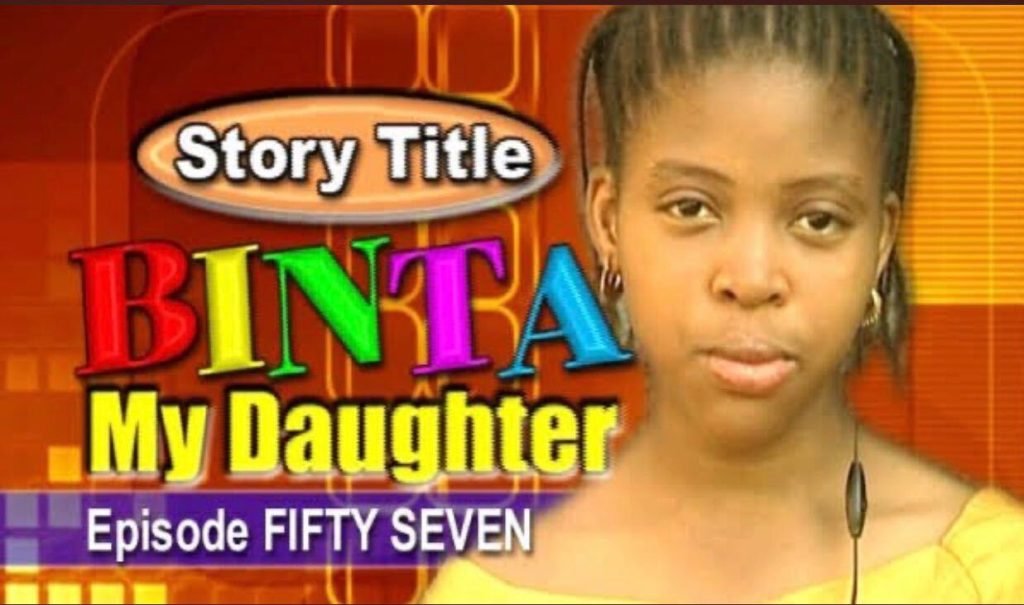
Binta and Friends
For many younger millennials, Binta and Friends was a must-watch after school.
The show combined education, music, comedy, and life lessons in a format that entertained while encouraging good behaviour, curiosity, and creativity.
Long before educational kids’ programming became common on Nigerian television, Binta and Friends proved learning could be just as enjoyable as cartoons.
Many adults still remember its songs decades later.
These shows are reminders of a time when one television set could bring an entire household together. Gone are those days!